
Vandaag of morgen in huis

Kwaliteit gegarandeerd

Welkomstaanbiedingen ontgrendelen: GRATIS bezorging | Tot 80% korting | Gratis 30 dagen JoyPlus-proefperiode
Download de app
A bubbling pot of fragrant broth on the table, surrounded by friends and family. Everyone dips their own ingredients into the soup. Hot pot, or Chinese fondue, is the ultimate social meal. But the experience can quickly be ruined if the main ingredient—the meat—is tough and flavourless. Choosing the right hot pot meat is crucial, yet the selection can be overwhelming.
As a Product Recommendation Officer at Joybuy, I see where many people go wrong. They pay too much for meat that isn't suitable or fall for attractive packaging. Let's walk through the most common pitfalls so your next hot pot night at home is as successful as one in a restaurant.
Pitfall 1: Meat that's too thick or improperly sliced. Slicing a standard supermarket steak into strips won't work. The meat is often too thick, requiring a long cooking time that makes it tough.
Pitfall 2: Blindly trusting the "hot pot" label. Not all pre-packaged thinly sliced beef is high quality. Sometimes it consists of off-cuts or an overly lean piece, resulting in a dry texture.
To avoid these mistakes, there are a few objective specifications you can check. This will help you ignore marketing jargon and make an informed choice.
The ideal thickness for hot pot beef or shabu shabu meat is between 1 and 2 millimetres. Why is this so important?
Paper-thin slices ensure the meat is cooked in seconds. You dip it briefly in the broth, it changes colour, and it's ready: tender and juicy.
Not every cut of beef is suitable for hot pot. You're looking for a piece with good marbling: the small veins of fat running through the muscle tissue. This fat melts during the brief cooking process, making the meat tender and flavourful.
Check the product description or label to see which cut of beef was used.
Always check the back of the package. Good Chinese fondue meat has a simple ingredient list. Ideally, it should say "100% beef." Some products contain water, salt, or other additives to increase weight or alter texture. While this isn't always bad, pure meat often provides the most authentic flavour and experience.
To help you get started, we've matched a few products from our range to different preferences.
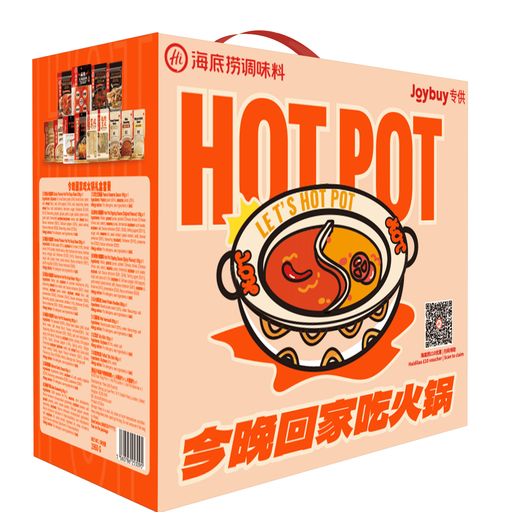
Why This Fits Their Persona: Ideal for first-time home hot pot hosts or anyone who values convenience. This complete hot pot kit contains everything you need: from soup bases and dipping sauces to noodles and even a dual-compartment pot. You just need to add fresh meat and vegetables.
This kit eliminates the guesswork of selecting individual hot pot ingredients. The flavours are balanced for an authentic experience, just like you'd get when you buy from Haidilao.
A complete restaurant experience in one box. Includes four different soup bases and various side dishes.
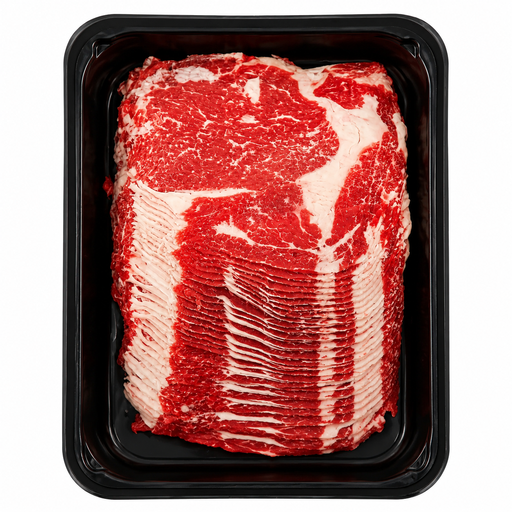
Why This Fits Their Persona: For those who prioritise the quality of the meat above all else. Rib-eye is renowned for its superior marbling, which ensures an exceptionally tender and flavourful bite after a quick dip in the broth.
This product specifies both the cut (rib-eye) and the thickness (1.2 mm). This ensures you're not buying tough or overly lean meat, but a product specifically selected for the optimal hot pot experience.
Consists of 100% rib-eye beef. The perfect thickness ensures quick cooking and a tender texture.
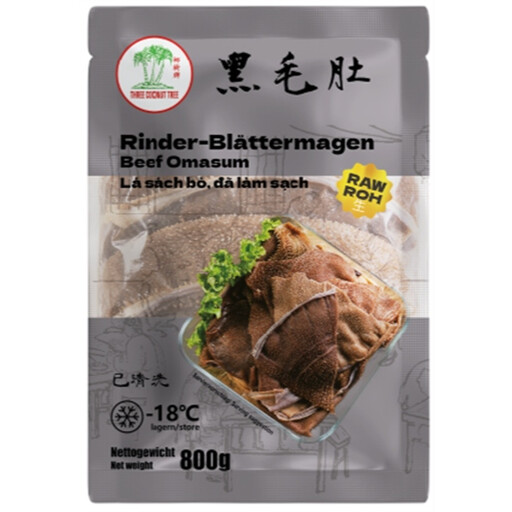
Why This Fits Their Persona: For the hot pot enthusiast who wants to explore beyond just meat. Beef omasum (tripe) is a classic ingredient in authentic Chinese hot pot, prized for its unique, crisp texture. It absorbs the flavour of the broth beautifully.
This isn't a standard meat cut, but a specific offal for the adventurous eater. You buy it deliberately for its texture, not as a substitute for a tender slice of rib-eye. It adds variety to your meal.
Offers a unique texture that elevates your hot pot experience. It's an authentic ingredient often served in specialised restaurants.
We have compiled a complete, up-to-date list of products that fully meet these strict selection criteria and UK/EU regulations.
A good rule of thumb is about 150 to 200 grams (5-7 oz) of meat per person. This depends on how many other ingredients you're serving, such as vegetables, tofu, noodles, and fish balls. If meat is the star of the show, you might want to allow for a little more.
Yes, you can, and it's often recommended. The meat is sliced so thinly that it thaws and cooks within seconds in the boiling broth. Just make sure the broth stays at a rolling boil. If you add too many frozen ingredients at once, the temperature can drop too quickly.
In practice, the terms are often used interchangeably. Both refer to paper-thin slices of meat intended for brief cooking in hot broth. Shabu-shabu is the Japanese version of hot pot. The principle and the type of meat used are largely the same. In both cases, the focus is on thinly sliced, marbled meat.
