
Same-day & Next-day Delivery

Quality Guaranteed

Unlock Your Welcome Offers: FREE Delivery | Up to 80% OFF | Free 30-day JoyPlus trial
Download the APP
A successful hotpot night at home starts with the right ingredients. The selection of frozen hotpot balls at the Asian supermarket or online can be overwhelming. Unfortunately, this often leads to disappointment: balls that are bland, have an odd texture, or fall apart in the broth after just a few minutes.
Before you fill your shopping cart, it's wise to know the common pitfalls. Many products use vague terms like "premium" that say nothing about the actual quality. Another frequent disappointment is the texture: you hope for a bouncy, firm ball but end up with a soft, spongy mass. Finally, there's the classic mistake: accidentally adding sweet dessert balls to your savory broth. This guide will help you avoid these errors and make the right choices.
You don't need to be an ingredient expert to avoid a bad purchase. By paying attention to a few key details, you can better assess the quality of hotpot balls.
The ingredient list on the packaging is your most important tool. Ingredients are always listed in descending order by weight. If you want to buy fish balls, "fish" or "fish meat" should be at the top of the list.
An even better indicator is the Quantitative Ingredient Declaration (QUID). This is a percentage that specifies how much of the main ingredient is actually in the product. For instance, a product like the Wan Jiang Fish Ball clearly states 50% fish meat. This is objective information that speaks louder than marketing jargon.
Texture is essential to the hotpot experience. Terms like "bouncy" (springy), "chewy" (with a satisfying bite), or "firm" (solid) provide a good indication of what to expect.
Also, check whether the frozen hotpot balls are raw or pre-cooked. Pre-cooked balls only need to be heated in the broth for 3-5 minutes. Raw balls require a longer cooking time, typically 8-10 minutes, and must be cooked through before consumption. The packaging will provide specific instructions.
This may seem obvious, but it's a common mistake. Most balls in the freezer section are savory and intended as Chinese hotpot ingredients. These include balls made from fish, cuttlefish, beef, or pork.
You will also find sweet balls, such as sweet glutinous rice balls (Tang Yuan). These are filled with ingredients like red bean paste, peanut, or black sesame. They are meant for dessert and are cooked separately, often in water or a sweet soup. They do not belong in a savory hotpot broth.
Based on clear product characteristics, we have selected a few options that cater to different preferences.
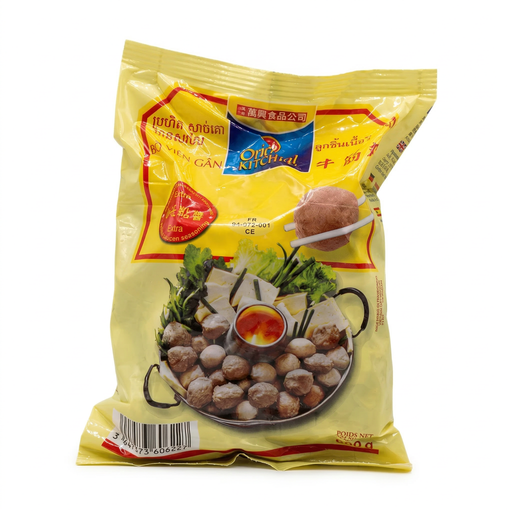
Why This Fits Their Persona: Ideal for those seeking a specific, traditional texture. The addition of beef tendon creates a unique, firm, and springy bite not found in standard meatballs.
This product avoids the pitfall of a soft or spongy texture. The combination of beef and tendon guarantees a firm structure that holds up well in hot broth.
Rich beef flavor and a pronounced "chewy" texture. With 15 grams of protein per 100 grams, it's a nutritious addition to the meal.
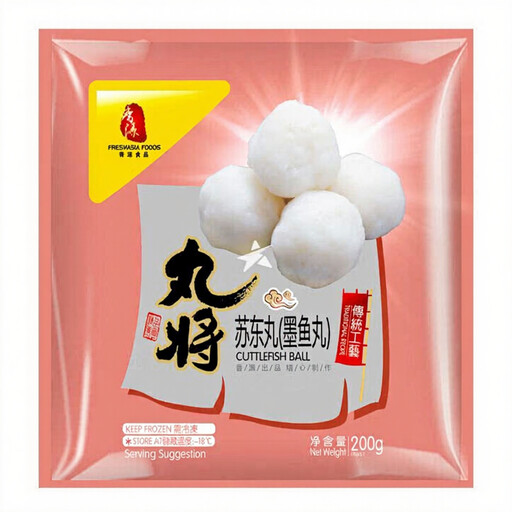
Why This Fits Their Persona: Perfect for those who value convenience. These cuttlefish balls are fully cooked and only need to be heated through. Ideal for a quick hotpot, noodle soup, or even as a snack.
This product eliminates any confusion about preparation time. The "fully cooked" label makes it clear that you'll be ready to eat in just 3-4 minutes.
Quick to prepare with a signature springy ("bouncy") texture. The cuttlefish flavor is distinct, making it an authentic addition to your dish.
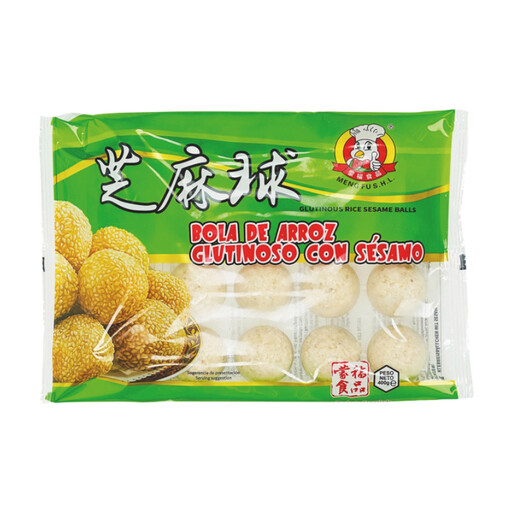
Why This Fits Their Persona: For those who want to end their meal with a traditional Asian dessert. These glutinous rice balls with a red bean filling are a classic that can be baked or fried for a crispy exterior.
This product prevents the savory-vs-sweet confusion. It is clearly positioned as a dessert, with a sweet red bean filling and an outer layer of glutinous rice and sesame.
An authentic dessert experience. The combination of a crispy, sesame-coated exterior and a soft, sweet filling provides a delightful textural contrast.
We have curated a complete, up-to-date list of products that meet these selection criteria and comply with current regulations.
The cooking time depends on the type of ball. Pre-cooked balls are typically ready in 3-5 minutes; they just need to be heated through. Raw balls require more time, usually 8 to 10 minutes. A good rule of thumb for raw balls is to wait until they all float to the surface, then let them cook for another 1-2 minutes. To be certain, always check the instructions on the package.
Although both are made from seafood, there is a clear difference in taste and texture. Fish balls generally have a milder flavor and a softer, sometimes slightly spongy texture. Cuttlefish balls are often firmer and more springy (a texture known in Asia as "Q") and have a more pronounced, slightly sweet seafood flavor.
No, it's important to distinguish between them. Savory balls, such as those made from fish, beef, and cuttlefish, are specifically intended as Chinese hotpot ingredients. Sweet balls, like sweet glutinous rice balls (Tang Yuan) with fillings such as red bean or sesame, are not suitable for the savory broth. These are prepared separately as a dessert.
