
Vandaag of morgen in huis

Kwaliteit gegarandeerd

Welkomstaanbiedingen ontgrendelen: GRATIS bezorging | Tot 80% korting | Gratis 30 dagen JoyPlus-proefperiode
Download de app
Buying a bottle of hot chilli sauce sounds simple, until you have to choose between sambal, hot sauce, gochujang, chilli paste and Asian chilli sauce. The difference is not just the amount of chilli. Sugar, salt, oil, fermentation, allergens and how you intend to use it all help determine whether a product is right for you.
Before adding a bottle to your basket, there are three common pitfalls to avoid.
A sauce can be fiery yet still be less suitable for everyday use. Samyang Buldak Sauce, for example, is inspired by hot chicken noodles and is described as a fiery sauce with a sweet undertone. That makes it an interesting chilli sauce for noodles or as a marinade, but it may be less suitable as a subtle table sauce.
With sambal, the emphasis is often more strongly on the pepper itself. A Surinamese sambal made with Madame Jeanette peppers can therefore taste quite different from a sweeter Thai chilli sauce. So do not just look for words such as “hot”, “spicy” or “extra hot”; check the ingredients and recommended uses too.
The best-before date is shown on the packaging, but storage advice may vary after opening. Some sauces need to be refrigerated, while others can be stored in a cool, dry place according to the product information.
Pay particular attention to:
Always follow the label on the product you receive. Online information can change, and the packaging may contain the most up-to-date details.
Marketing copy is not always complete. A product description may, for example, focus on fresh peppers or the absence of certain additives, while the ingredients list still includes preservatives, flavour enhancers or thickeners.
Check the following yourself:
First, consider what you will use the sauce for. For chilli sauce as a dipping sauce with spring rolls, snacks or dumplings, a thicker, slightly sweet sauce is often a good choice. For stir-fries and marinades, a concentrated chilli paste or gochujang may be more practical.
Here are a few guidelines:
“Medium hot” is not a universal measurement. Use it as a guide and start with a small amount when trying a new product.
For Korean dishes, you can choose gochujang or Korean chilli sauce. Gochujang is made with ingredients including red pepper, rice or grains and fermented soya. This makes it well suited to soups, stews, stir-fries and marinades, although it may contain soya or gluten.
When choosing a vegan or vegetarian product, it is important to check the current packaging. A sauce may appear suitable based on the product description, yet still contain an ingredient you would not expect. Also look for information about possible cross-contamination.
Examples from the range:
A 500-gram or 1-kilogram jar is economical if you cook frequently, but less practical if you only eat spicy food occasionally. A 165 ml or 335 ml squeeze bottle is convenient for portioning and storing in a smaller fridge door.
Also consider the texture:
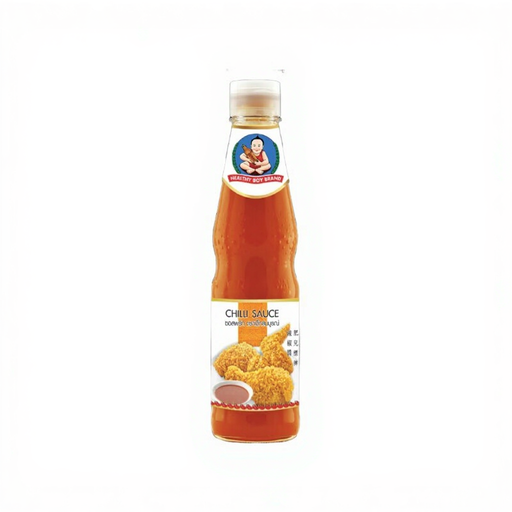
Why it suits this profile: The 360-gram bottle is suitable for dipping, stir-frying, marinating and serving with noodles or snacks. This means you do not need several different types of sauce.
The product information describes a balanced level of heat and several possible uses. Do check the current ingredients list, however; it lists soya.
360 grams; suitable as a dip, marinade, stir-fry sauce and table sauce; according to the product information, suitable for vegetarians and vegans.
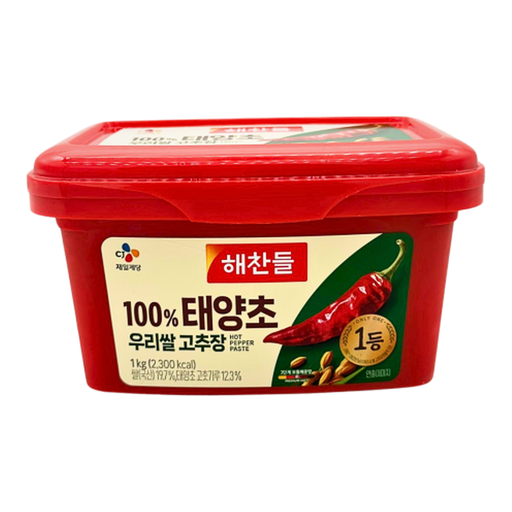
Why it suits this profile: This Korean chilli paste is designed for frequent cooking: in soups, stir-fries and as a marinade. The 1-kilogram size suits households that often cook Korean food.
Its uses are clearly described as a flavouring, soup base, stir-fry sauce and marinade. Soya is explicitly listed as an allergen.
1 kilogram; made in South Korea according to the product information; contains fermented ingredients and red pepper powder.
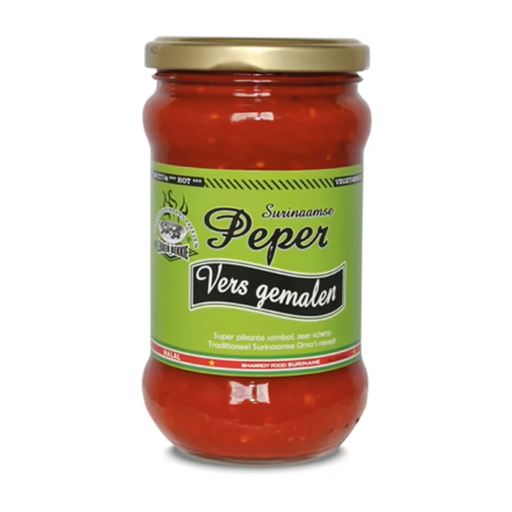
Why it suits this profile: This extremely hot Surinamese sambal is made for enthusiasts looking for a pronounced pepper base to serve with rice, potato dishes and pasta.
The product information states that it contains 92% fresh Surinamese peppers. This gives it a clearer profile than sauces in which sugar or oil forms the base.
290 ml; 92% fresh peppers according to the product specification; none of the 14 main EU allergens listed.
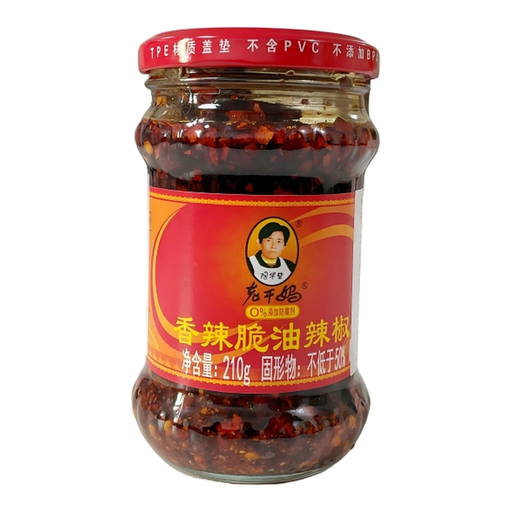
Why it suits this profile: The combination of chilli, oil, peanuts, soya and sesame adds texture to rice, noodles, dumplings and stir-fries.
The product description makes it clear that this is chilli oil with crunchy ingredients, rather than a smooth chilli sauce. This helps you choose more precisely according to texture.
210 grams; 20% chilli flakes, 8% peanuts and 6% soya according to the product specification; ready to mix directly with rice or noodles.
We have put together a complete, up-to-date list of products that fully meet these strict selection criteria and the applicable European safety regulations.
For noodles, you can choose Samyang Buldak Sauce, gochujang or Lao Gan Ma chilli oil. For rice, chopped chilli, sambal and chilli oil are practical because they can be used directly as a topping. Start with a small amount and add more afterwards.
That depends on the product. Check the label or product information. Products such as gochujang, chopped chilli and some chilli oils often state that they should be refrigerated after opening. Close the jar securely and always use clean utensils.
Sambal is usually a ground or chopped pepper preparation, often made with salt, garlic or spices. Hot sauce is generally more liquid and suitable for dipping or drizzling over dishes. Gochujang is a Korean, often fermented red pepper paste with a thicker texture and a savoury, slightly sweet flavour. The right choice depends on your dish, preferred texture and allergen requirements.
