
Vandaag of morgen in huis

Kwaliteit gegarandeerd

Welkomstaanbiedingen ontgrendelen: GRATIS bezorging | Tot 80% korting | Gratis 30 dagen JoyPlus-proefperiode
Download de app
When you’re looking for hot chilli sauce and spices, you’ll quickly come across dozens of bottles, jars and packets that look very similar. Yet they differ greatly in flavour, use, ingredients and heat level. A sambal for nasi, for example, has a different texture to sriracha sauce for noodles, while gochugaru and chilli powder are mainly designed to be measured out during cooking.
This buying guide will help you understand what to look for and which popular choices suit your kitchen.
Terms like extra hot or intense heat don’t follow a standardised heat scale. The amount of red chilli, the type of chilli and the ratio of sugar, vinegar or oil all combine to determine how sharp a product tastes. So check the ingredients list and usage instructions rather than just the front of the packet.
For example, Flying Goose Sriracha Hot Chilli Sauce states 70% sriracha chilli in the product information. Red Phoenix Sriracha Extra Hot lists 38% ground red chillies. That difference doesn’t tell you everything about the final heat, but it does help when comparing.
A 454 g or 500 g bag might look appealing for frequent users, but dried spices gradually lose their aroma when stored in warm, damp conditions or in direct sunlight. Buy a large size mainly if you cook regularly for a family, for catering or in a restaurant.
For an occasional user, a smaller jar of sambal or chilli paste can be more practical. After opening, pay attention to the storage instructions. Some products need to be refrigerated and used within a certain period.
Not every chilli sauce is vegan, gluten-free or free from allergens. Gochujang often contains wheat or soya. Mapo Tofu seasoning can contain soya, wheat and gluten among other things. According to the product information, Prima Taste Sambal Chilli contains shrimp paste and is therefore not suitable for anyone with a shellfish allergy.
Always read the current label. The packaging may contain more or different information than an online product page.
First, choose the format that suits your dish:
Compare the percentage of chilli with the amount of sugar, salt and oil. A sauce with a lot of sugar can taste mildly sweet, whereas a pure chilli powder mainly adds heat and colour. A+ Red Pepper Powder Hot and Delief Red Pepper Powder both list 100% red pepper as the ingredient.
Also watch out for salt. Baijia Mapo Tofu Seasoning lists 18 g of salt per 100 g. That’s a concentrated cooking base, so don’t add extra soy sauce or salt straight away. The usage instructions advise preparing the sauce with tofu, minced meat, water and the included seasoning powder.
For daily use, a bottle with a dosing cap can be practical. A jar or bag is often more convenient for powders and chilli paste. Check:
A large packet is best suited to heavy users. For a first try, a smaller size is often wiser.
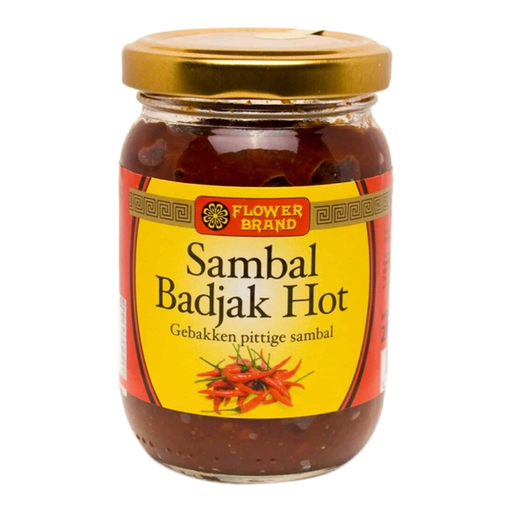
Why this fits the profile: A compact 200 g jar is ideal for trying sambal badjak for the first time with rice, noodles, snacks or a roll.
The product information states the “hot” variant and lists the ingredients, including ground red chillies, onion, garlic and spices. This lets you check the flavour and composition in advance.
Fried sambal texture; 200 g; according to the product information, free from the 14 major EU allergens.
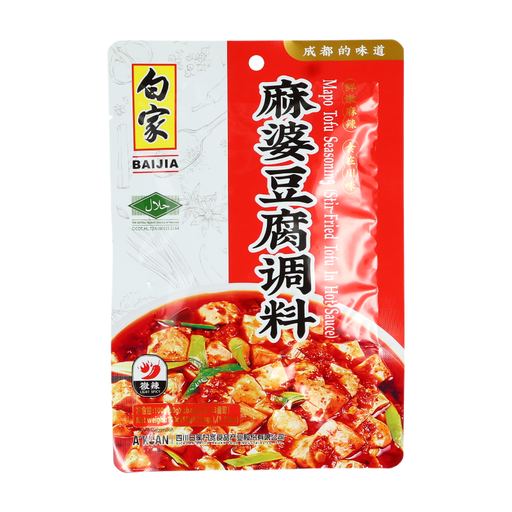
Why this fits the profile: Home cooks who want to prepare Sichuan dishes get a sauce sachet and finishing powder for Mapo Tofu in one packet.
The two sachets make the preparation steps clearer than using separate ingredients. Do check the allergens: the product information lists soya and gluten.
Sauce base including bean paste and fermented black beans; separate seasoning powder; preparation instructions for 400 g of tofu.
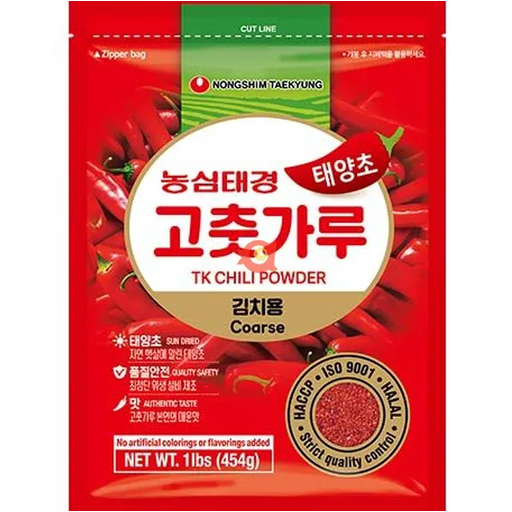
Why this fits the profile: For anyone who often makes Korean dishes, marinades, sauces or fried chicken and wants a generous bulk size.
According to the product information, the ingredient is red pepper powder. This means you avoid a sauce with unexpected sugar, oil or thickeners.
454 g; usable as a seasoning and colouring; according to the product information, free from the 14 major EU allergens.
We’ve put together a full, up-to-date list of products that fully meet these strict selection criteria and comply with current European safety regulations.
Sambal is usually thicker and often contains ground chillies with spices, onion, garlic or oil. Sriracha sauce is generally more liquid and often contains vinegar, sugar and garlic. Use sambal when you want a robust chilli paste; choose sriracha for drizzling, dipping and as a topping.
Store chilli powder and dried red chillies sealed in a cool, dry and dark place. Dampness reduces quality and can cause clumping. Use a clean, dry spoon and seal the packet immediately after use.
Sriracha, sambal, gochujang and chilli paste all work well with noodles. For a drier, spicier flavour you can use gochugaru or red pepper powder. Start with a small amount and add more only after tasting. With ready-made noodles and seasoning mixes, pay extra attention to salt, soya, gluten and sesame.
