
Vandaag of morgen in huis

Kwaliteit gegarandeerd

Welkomstaanbiedingen ontgrendelen: GRATIS bezorging | Tot 80% korting | Gratis 30 dagen JoyPlus-proefperiode
Download de app
A bottle of hot chilli sauce may seem straightforward to choose, but there is a big difference between a thin hot sauce, chilli oil, sambal and chilli paste. One variety may be ideal as a dip, while another is mainly intended to add flavour to rice, noodles or a marinade.
If you focus only on words such as “extra hot”, “authentic” or “traditional”, you could end up with a product that does not suit the dish you have in mind. It is therefore wiser to look at the ingredients, texture, allergens and serving suggestions.
A higher chilli content does not automatically mean that a sauce has more depth. Some sauces are mainly sharp and acidic because of the vinegar, while others contain oil, garlic, fermented soya or spices. So first decide what you want to use the sauce for:
Chilli oil and Sichuan chilli sauce regularly contain peanuts, sesame or soya. This also applies to varieties with nuts, beans or sesame seeds. If in doubt, always check the packaging and the current ingredients list. Online product information may differ from the label, according to the seller.
Also look out for sulphites. Some products list sulphur dioxide or sulphites as an ingredient or warning. This is relevant if you have a food allergy or intolerance.
A 500-gram jar may seem good value, but a product that needs to be refrigerated after opening and is used slowly is not practical for every kitchen. Consider:
With an oil-based sauce, using a clean spoon is also important to help prevent contamination.
Look at the first ingredients on the label. If chilli appears near the top, peppers generally form an important part of the flavour. With Korean gochujang, rice, fermented soya, grains and sweeter ingredients also play a role. This creates a thick paste with a savoury, slightly sweet flavour.
A Mexican hot sauce such as Cholula Original is, according to the product description, made with ingredients including árbol and piquin peppers, vinegar, salt and spices. This type of sauce is thinner and suitable for finishing dishes at the table.
For Sichuan products, look for ingredients such as Sichuan pepper, garlic, ginger and oil. Sichuan pepper provides a different aroma and mouthfeel from simply adding more chilli.
The consistency determines how easily you can portion a product:
A smooth sauce spreads quickly. A sauce containing pieces of chilli or nuts adds more texture, but may not mix as evenly.
Do not just compare the chilli percentage. Also check salt, sugar and fat per 100 grams. Chilli oil often contains considerably more fat than a vinegar-based sauce. Gochujang may contain relatively more carbohydrates and sugar because of syrup, rice or grains.
Also check the allergens:
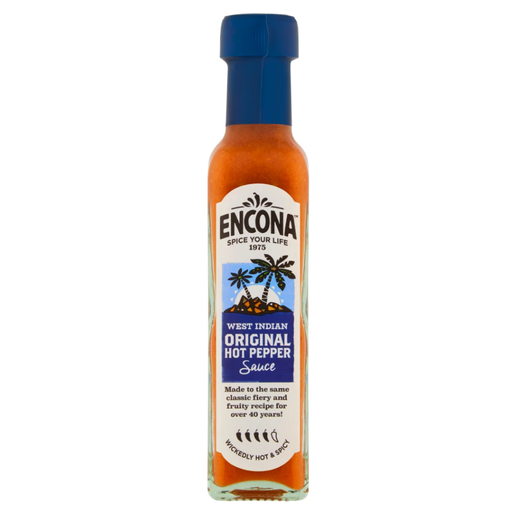
Why it suits this profile: A liquid sauce in a compact size is a practical choice if you want to try it with different dishes without immediately buying a large jar.
The ingredients list includes red cayenne peppers, vinegar, water and spices. The smooth texture makes it easy to portion.
142 ml, liquid and, according to the product information, suitable for dips, soups, marinades and toppings.
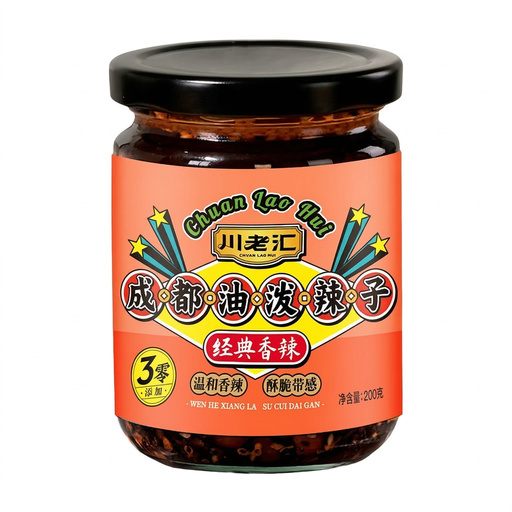
Why it suits this profile: For home cooks who want to add oil, aroma and Sichuan pepper to their dishes as well as heat.
The ingredients include chillies, Sichuan pepper, garlic, ginger, peanuts and sesame. This makes the flavour profile clearer than that of an unidentified hot sauce.
200 g; suitable for cold dishes, as a dip or for stir-frying. Contains peanuts and sesame.
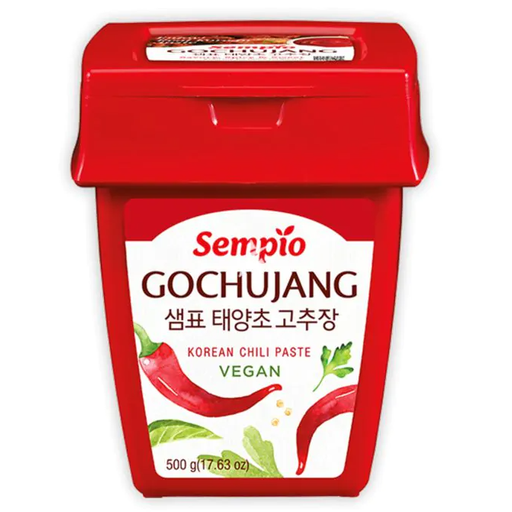
Why it suits this profile: The generous packaging is ideal if you regularly make Korean marinades, stir-fries or dips.
The product information describes a thick texture, moderate heat and an 11% chilli pepper content. It is therefore not focused solely on maximum sharpness.
500 g; suitable for stir-fries, dips and marinades. Contains soya, wheat and gluten.
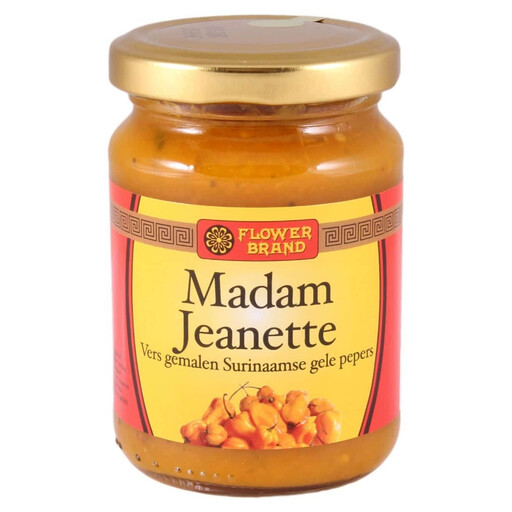
Why it suits this profile: For anyone looking for a sambal with a high proportion of Madam Jeanette peppers and just a few ingredients.
The product description lists 92% Madam Jeanette, salt and acidity regulators. This makes the flavour profile and ingredients easy to verify.
200 g; according to the product information, contains no E621 and is suitable for consumers looking for a pronounced pepper flavour.
We have put together a complete, up-to-date list of products that fully meet these strict selection criteria and the applicable European safety regulations.
Chilli oil, sambal and chilli paste often work well with rice and noodles. According to the product information, Lao Gan Ma Spicy Crispy Oil Chili contains ingredients including chilli, peanuts, soya and sesame, and is intended for rice, noodles, dumplings and stir-fried dishes. Check the allergens before ordering.
It varies from product to product. According to the label, some sauces need to be refrigerated, while others should be kept in a cool, dry and dark place. Always follow the storage instructions on the packaging. Close the jar securely and use clean utensils.
Start with a small amount and mix it into the dish or dip. A liquid sauce can be distributed quickly, while thick gochujang or sambal may taste stronger in particular spots. When comparing products, also check the salt and sugar per 100 grams, not just the claimed heat level.
