
Vandaag of morgen in huis

Kwaliteit gegarandeerd

Welkomstaanbiedingen ontgrendelen: GRATIS bezorging | Tot 80% korting | Gratis 30 dagen JoyPlus-proefperiode
Download de app
A jar of hot chilli sauce may seem easy to choose, but the difference between sambal, chilli oil, chilli crisp and Chinese chilli sauce is not just about heat. One sauce may be best suited as a dip, while another adds oil, umami, garlic or a fermented flavour to noodles and rice.
If you only pay attention to words such as “extra hot” or “authentic”, you could end up buying a product that is not suitable for how you plan to use it. Use the following checks to make a more informed choice and avoid a disappointing purchase.
A hot pepper sauce can deliver plenty of heat but little depth. For a stir-fry sauce or marinade, you will often also want garlic, acidity, sweetness, oil, spices or fermented ingredients. So do not just look at the name; check the ingredients list as well.
A sambal with a high chilli content behaves differently from a mild sauce made with sugar and vinegar. Chilli crisp usually contains oil and pieces of chilli or other ingredients to add texture. A Sichuan sauce may also contain peppercorns that create a tingling sensation in the mouth.
A large jar is not automatically better value. If you only need hot sauce occasionally, a smaller pack may be more practical. For daily use with rice, noodles or dumplings, 240 to 500 grams may be a better fit.
Also check the storage advice. Some products need to be refrigerated after opening and used shortly afterwards. Other varieties can be stored in a cool, dry place according to the product information. Always follow the label on the packaging.
Chinese chilli sauce often contains soya, wheat or sesame. Sauces containing fish or fish sauce may also contain fish. Check the allergen information before ordering, particularly if you have an allergy or specific dietary requirements.
Salt levels vary considerably. According to the nutritional information provided, Nan Guo Spicy Yellow Pepper Sauce contains 13.9 grams of salt per 100 grams, while Souq Mild Harissa contains 2.5 grams. This does not mean that one product is suitable for everyone; it does show why comparing products is important.
First, decide what kind of flavour you are looking for:
The order of the ingredients gives you an initial indication of the composition. If oil comes first, the product is likely to be oil-rich. If chilli is listed first or its percentage is stated, you have a better idea of how much of the sauce is made up of peppers.
A smooth sauce mixes easily into a marinade or dressing. An oily sauce spreads well over warm noodles and rice. A chunky sauce containing beans, garlic or pieces of chilli is more suitable as a topping or condiment.
For a sauce for noodles and rice, ready-made varieties are convenient. For stir-frying, it is better to choose a sauce that is not just hot but also adds savouriness and aroma. With a spicy dipping sauce, acidity, salt and thickness are important for achieving a balanced flavour.
Check:
The recommendations below are linked to specific features in the product information. They are intended as practical profile-based suggestions, not as an overall ranking.
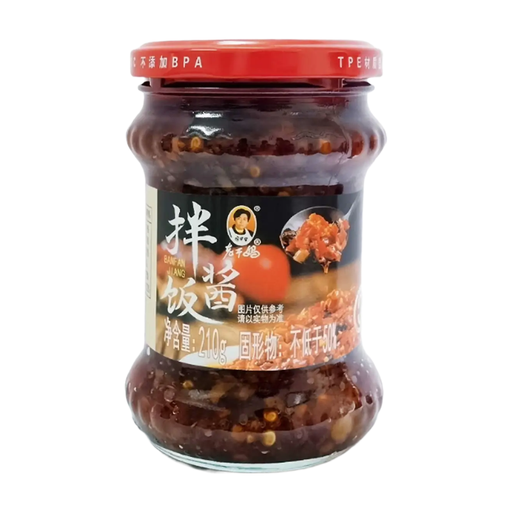
Why it suits this profile: A 210-gram jar is a manageable choice for anyone trying Chinese chilli sauce for the first time. The product description mentions using it with rice, noodles and a range of hot dishes.
The specifications mention chilli, rapeseed oil, soya, mushroom and spices. This gives you a clearer idea of the flavour profile than a product that focuses solely on its heat level.
210 grams; suitable for rice and noodles; contains soya as a declared allergen; nutritional information states 401 kcal and 7.8 grams of salt per 100 grams.
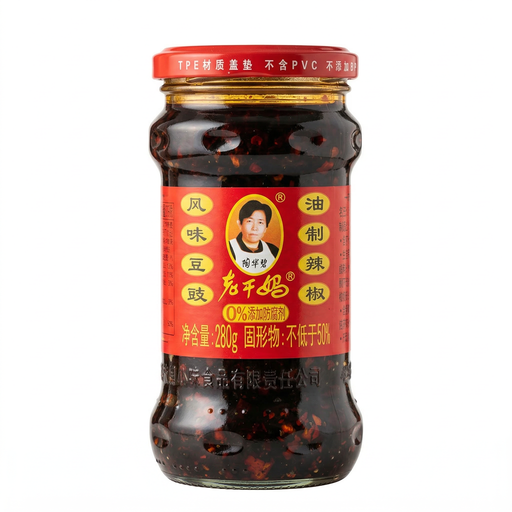
Why it suits this profile: For home cooks looking for more than just heat. The combination of fermented black beans, chilli and oil works well in stir-fries, mapo tofu, rice and noodles.
The product information explicitly mentions black beans, chilli and Sichuan pepper. This gives you a more concrete idea of the savoury and spicy components.
280 grams; 20% red chilli according to the product information; suitable for hot dishes; contains soya and wheat.
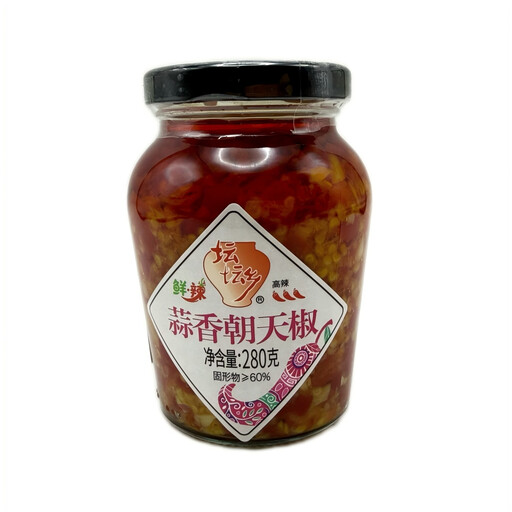
Why it suits this profile: The combination of Chaotian chilli, garlic and fermented soya beans is aimed at users looking for a distinctive Hunan profile for cooking, dipping and marinating.
The possible uses are clearly described: stir-frying, dipping, noodles and marinades. According to the product information, the sauce should be refrigerated after opening.
280 grams; garlic and fermented soya beans; 9.5 grams of salt per 100 grams according to the product information; contains soya.
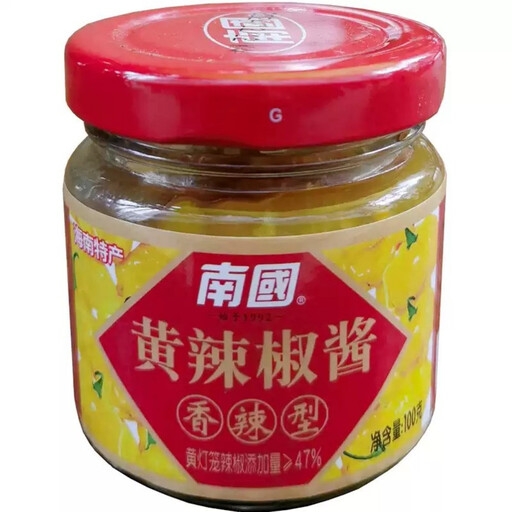
Why it suits this profile: This yellow pepper sauce is intended for anyone who wants a fresher, tangier and more pronounced pepper flavour with noodles, rice or as a dip.
The yellow pepper content is stated as at least 47%. Garlic, pumpkin, vinegar and fermented flavourings are also mentioned, so you do not have to rely on marketing language alone.
100 grams; 46 kcal per 100 grams according to the product information; none of the 14 major EU allergens listed; refrigerate after opening to preserve quality.
We have put together a complete, up-to-date list of products that fully meet these strict selection criteria and the applicable European safety regulations.
If you have a peanut or sesame allergy, pay extra attention to sauces containing these ingredients. For example, XiangJi No. 1 lists peanuts and sesame as allergens. Some products also carry a warning about flavour enhancers, so check the ingredients list and packaging.
An oily chilli crisp or a sauce with garlic and fermented black beans works well with noodles and rice. For a fresher flavour, you could choose a yellow pepper sauce or Thai chilli dressing. Start with a small amount and gradually increase the heat.
This varies from product to product. Tan Tan Xiang recommends refrigeration after opening. Nan Guo recommends refrigeration to preserve quality, while other products advise storing them in a cool, dry place. Always check the specific label and seal the jar or bottle securely.
Once opened, shelf life depends on the ingredients, packaging and storage temperature. Follow the manufacturer’s instructions and do not use the sauce if the packaging is damaged or if the product smells unusual, has changed colour or shows signs of mould. The best-before date on the packaging remains the most important guide.
