
Vandaag of morgen in huis

Kwaliteit gegarandeerd

Welkomstaanbiedingen ontgrendelen: GRATIS bezorging | Tot 80% korting | Gratis 30 dagen JoyPlus-proefperiode
Download de app
A hoodie might seem like a straightforward purchase. But differences in fabric, fit and finish can determine whether you wear it regularly or leave it in the wardrobe after a few washes. When choosing hoodies and sweatshirts, there are three common pitfalls to watch out for: unclear sizing, fabric that turns out warmer or thinner than expected, and a design that doesn’t suit how you plan to wear it.
If you only look at the brand, colour or discount, you might miss practical details. A women’s hoodie, men’s hoodie, fleece hoodie or sweatshirt should suit your daily routine, the season and how you want to wear it. Use these checks before you place your order.
A size L can fit differently from one brand or style to another. A regular fit sits differently from an oversized hoodie or a style with dropped shoulders. Check the size guide, paying particular attention to chest measurement, sleeve length and the stated fit.
Look out for product details such as “runs large” or “loose fit”, too. The Nike Park 20 Hoodie, for example, is described as running large. In that case, your usual size may fit more loosely than you expect.
Fleece refers to the fabric’s texture or finish, but it doesn’t automatically tell you how warm or heavy a garment will be. A lightweight fleece sweatshirt works well as a layer under a jacket, while a brushed or thicker fleece hoodie can provide more insulation.
So check the fabric composition and, if available, the fabric weight in gsm. The Urban Classics Fluffy Hoody, for example, is described as being made from 330 gsm sweatshirt fabric. That tells you more about its construction than the word “fluffy” alone.
A hoodie with a hood and kangaroo pocket is handy for everyday wear, while a zip-up hoodie is easier to put on over other layers. A sweatshirt without a hood can be more comfortable under a jacket or while working indoors.
Also check whether it has pockets, whether the hood is adjustable and whether the cuffs and hem are elasticated. The Calvin Klein CK Essential Regular Hoodie, for example, is listed without pockets. That’s worth bearing in mind if you’re looking for a style to wear day to day when you’re out and about.
Cotton usually feels soft and is often used for casual clothing. Polyester can help a garment keep its shape and dry more quickly. A blended fabric combines some of these qualities, but the feel can vary depending on the weave and finish.
Examples from the range:
A recycled polyester content is a verifiable fabric detail. Its wider sustainability impact depends on production, use and lifespan, so treat it as one point of comparison rather than a complete assessment of the garment.
Choose a regular fit if you’re looking for a versatile style for everyday wear or layering. A loose fit gives you more room for a T-shirt or lightweight jumper. If you’re specifically after an oversized hoodie, check the shoulder line, sleeve length and overall length. Simply choosing a size up won’t always give you the same proportions as a purpose-designed oversized style.
Women’s styles may show EU, UK and US sizes side by side. For men’s styles, chest measurement can be a useful guide. If you’re unsure, use a hoodie that fits you well as a reference and compare its measurements with those on the product page.
Turn hoodies inside out before washing and follow the care label. Many styles in this selection recommend washing at or around 30 °C, avoiding bleach and drying carefully. High temperatures and tumble drying can cause shrinkage, wear to prints or misshaping.
The Nike Park 20 Hoodie is listed as machine washable at 30 °C, with advice not to bleach or tumble dry it. The adidas sweatshirts advise washing dark colours separately and turning the garment inside out, among other instructions. Always check the care instructions for the specific style.
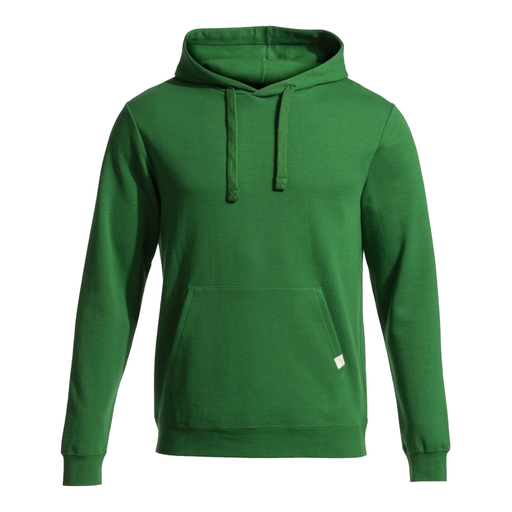
Why it suits this shopper: The cotton-polyester blend, kangaroo pocket and adjustable hood make this a practical choice for everyday wear and light training.
The product information spells out the fabric composition, fit and practical features, so you don’t have to judge it by looks alone.
60% cotton, 40% polyester; adjustable hood; elasticated cuffs and waistband.
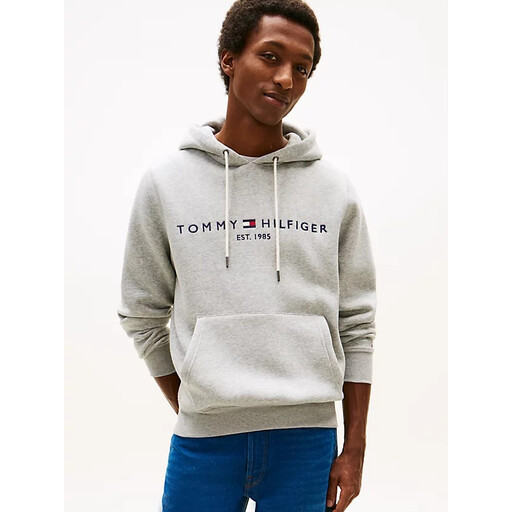
Why it suits this shopper: The regular fit and slightly dropped shoulders pair a recognisable look with a practical design for leisure and training.
The size information includes chest, waist and sleeve measurements. This helps you compare the fit more accurately than relying on S, M or L alone.
72% cotton and 28% polyester; adjustable hood; kangaroo pocket; ribbed trims.
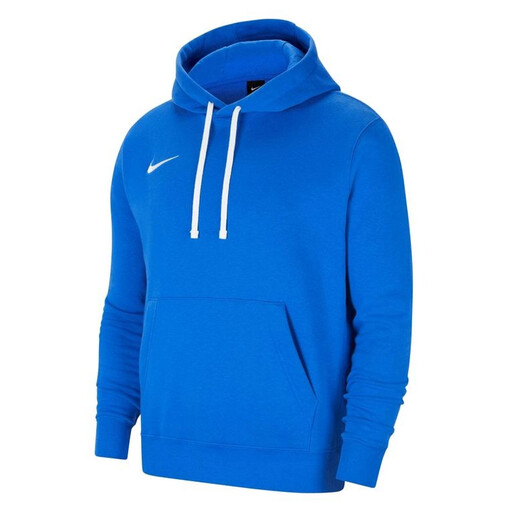
Why it suits this shopper: This style is designed for team wear, training and casual outfits. Nike says Dri-FIT is designed to manage moisture; treat this as a brand claim and check the rest of the product details.
The hood, kangaroo pocket and ribbed trims are clearly described. You can see in advance which features you’ll get for sport and layering.
Adjustable hood; kangaroo pocket; ribbed cuffs and hem; designed for sport and everyday wear.
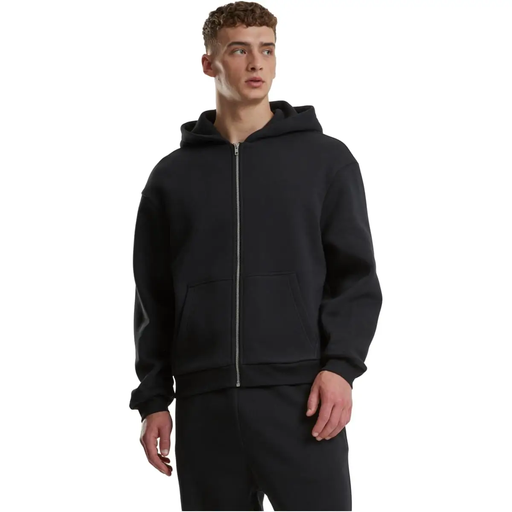
Why it suits this shopper: The full-length zip makes this style practical as an extra layer. Its soft lining and side pockets are well suited to everyday wear and streetwear.
The zip, side pockets and adjustable hood are clearly listed features. That means you won’t find out only after buying it that the hoodie is awkward to pull on over other clothes.
Full zip fastening; soft brushed lining; 70% cotton and 30% polyester; side pockets.
We’ve put together a full, up-to-date list of products that meet these strict selection criteria and the applicable European safety regulations.
Look for a regular fit, a cotton blend and practical details such as an adjustable hood and kangaroo pocket. A casual hoodie in black, grey or navy is easy to style. If you’ll often wear it over a T-shirt, choose one with enough room across the chest and shoulders.
A hoodie usually has a hood and often a front pocket. A sweatshirt generally has a crew neck and no hood, like the adidas Trefoil Essentials Crew Sweatshirt. That often makes a sweatshirt easier to wear under a jacket or overshirt.
Follow the care label, wash dark colours separately and turn garments with prints or embroidery inside out. Don’t use bleach, and choose a low drying temperature if the care instructions allow it. If a hoodie isn’t suitable for tumble drying, leave it to air dry to help prevent shrinkage and misshaping.
