
Vandaag of morgen in huis

Kwaliteit gegarandeerd

Welkomstaanbiedingen ontgrendelen: GRATIS bezorging | Tot 80% korting | Gratis 30 dagen JoyPlus-proefperiode
Download de app
A hoodie or sweatshirt may seem simple to buy, but small differences in material, fit and finish can make a big difference to how comfortable it is in practice. A low price doesn’t automatically mean it’ll be comfortable to wear, while a well-known logo is no guarantee of the right fit.
Look out for these common pitfalls:
Always check the fabric composition. Cotton generally feels soft and is suitable for everyday wear. Polyester can help the fabric retain its shape and last longer. You’ll often find a blend of the two in men’s hoodies, women’s hoodies and sports hoodies.
A fleece hoodie usually has a brushed or soft inner surface. This can make it more comfortable in colder weather, but fleece isn’t a single, fixed quality grade. So check the exact composition and, where listed, the fabric weight.
One specific example is the Urban Classics Ultra Heavy Hoody. According to the product information, it’s made from 100% cotton and has a fabric weight of 460 g/m². This is a useful specification if you’re looking for a heavyweight, sturdy oversized hoodie. It doesn’t automatically mean the style will be more comfortable for everyone; heavyweight fabric can feel warmer and less flexible.
The fabric in an adidas sweatshirt from the Trefoil Essentials range is made from 70% cotton and 30% recycled polyester. The product information lists a fleece construction and a regular fit. The proportion of recycled polyester is a verifiable material specification, but on its own it says nothing about the garment’s overall sustainability.
Choose a fit to suit how you’ll wear it:
According to its product description, the Nike FC Fleece Hoodie has a loose fit, an adjustable hood and ribbed cuffs and hem. This makes it practical for layering and relaxed everyday wear. The Nike Park 20 Hoodie is described as a standard fit, but the product information also says it comes up large. This kind of sizing advice is more useful than simply noting that the size is XXL.
A hooded hoodie should do more than look good. Check whether the hood is adjustable and whether the drawcords are flat or round. A kangaroo pocket is handy for keeping your hands warm and carrying small items, but it can add bulk to the front.
Ribbed cuffs and hem help keep the garment in place. With a crew-neck sweatshirt, the neckline, shoulder seams and hem are the main details to check. A crew-neck without a hood is often easier to wear under a jacket.
Pay attention to the fastening too. A full-zip style, such as the Urban Classics Fluffy Zip Hoody, is easier to put on and take off when travelling or layering. A pullover, on the other hand, often has a cleaner front and a classic look.
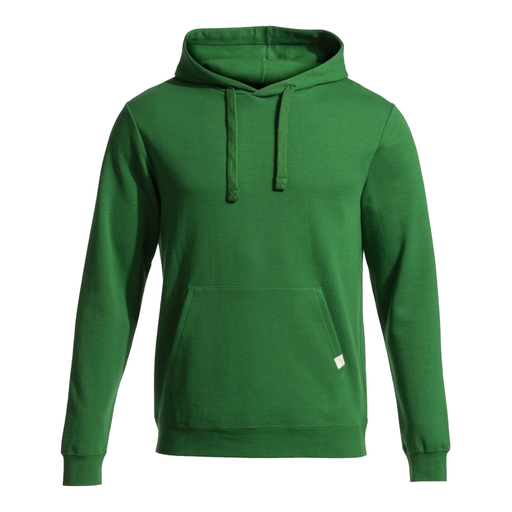
Why it suits this profile: The blend of 60% cotton and 40% polyester makes this a good choice if you’re looking for one hoodie for everyday wear, leisure and light training.
The fabric composition and size XS are clearly stated. Just check that XS is right for your chest measurement before ordering.
Adjustable hood, kangaroo pocket, elasticated cuffs and hem, and a regular fit.
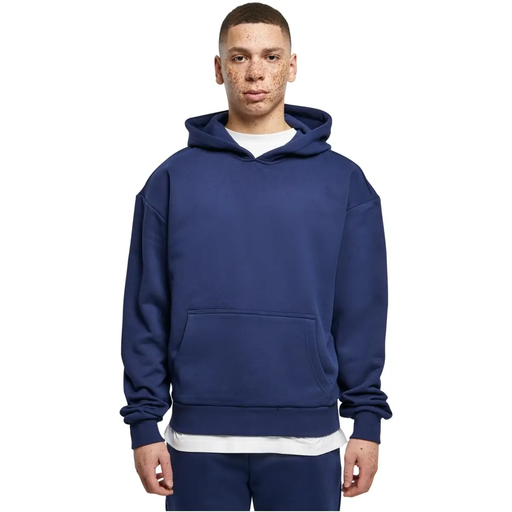
Why it suits this profile: This style is designed for shoppers looking for a heavyweight cotton garment with an oversized look for streetwear and everyday wear.
The fabric weight of 460 g/m² and 100% cotton composition are clearly stated. So you don’t have to take “heavy” as just a marketing term.
100% cotton, 460 g/m², oversized fit, hood and kangaroo pocket.
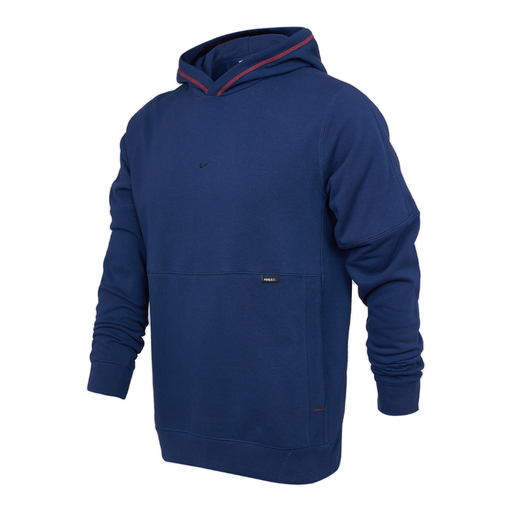
Why it suits this profile: The loose fit, adjustable hood and fleece construction make it a good match for leisure, layering and light training.
The adjustable hood and ribbed cuffs and hem offer practical adjustability. For intense training, it’s still worth considering the freedom of movement and warmth you’ll need for your activity.
Fleece, loose fit, adjustable hood, and ribbed cuffs and hem.
We’ve put together a complete, up-to-date list of products that meet these strict selection criteria and the applicable European safety regulations.
Compare these points before you order:
It mainly depends on the fabric and inner surface, not just whether it has a hood. A fleece hoodie may feel warmer than a lightweight crew-neck sweatshirt. Check the fabric composition, lining and fabric weight.
Wash the garment according to the label, usually at a maximum of 30 °C. Turn it inside out, avoid bleach and, if in doubt, air-dry it. High temperatures in the washing machine or tumble dryer increase the risk of shrinkage and distortion.
A regular or loose fit usually works well over a T-shirt and under a jacket. An oversized hoodie gives you more room, but may feel less comfortable under a fitted jacket. So check both the chest measurement and sleeve length.
