
Vandaag of morgen in huis

Kwaliteit gegarandeerd

Welkomstaanbiedingen ontgrendelen: GRATIS bezorging | Tot 80% korting | Gratis 30 dagen JoyPlus-proefperiode
Download de app
A hoodie for travelling, a winter coat for cold cycle rides or an outdoor jacket for a walk: hoodies and jackets vary considerably in material, fit and protection. A good-looking photo tells you little about how a garment will perform in real-life use.
The most common disappointing purchases come down to three pitfalls:
The Joybuy Product Recommendation Officer therefore selects products using verifiable details such as fibre composition, sizing, construction and intended use. This makes it easier to choose between a fleece hoodie, women’s hoodie, men’s hoodie, winter coat or functional outdoor jacket.
For everyday use, a cotton-polyester blend is often practical. Cotton feels soft, while polyester helps the garment retain its shape and makes it easier to care for. For example, the Urban Classics Fluffy Hoody models are made from 70% cotton and 30% polyester. Some versions use a heavier fabric weighing 330 g/m², which generally gives a sturdier feel and more structure than a lightweight hoodie.
A fleece hoodie is particularly suitable as a comfortable mid-layer or for dry, cool days. For rain and wind, you need an outer layer. A lined winter coat, padded jacket or men’s parka has a different construction from a hoodie: the filling, lining and how the sleeves and collar are sealed all help determine how well warmth is retained.
Are you using the jacket for cycling, walking, travelling or camping? Check whether the product description provides specific information about:
According to PELLIOT’s own product description, one of its fleece-lined jackets has a hydrostatic head of 35.900 mm H₂O, a breathability rating of 16.000 g/m²/24 uur and an abrasion resistance of more than 40,000 rub cycles. These are the brand’s product specifications and are not a general guarantee for every weather condition. Also check the care instructions, as incorrect washing can affect the performance of a coating.
A The North Face jacket with DryVent technology is described in the product information as waterproof, windproof and breathable. According to the product description, the model is also suitable as a standalone layer or as part of a compatible zip-in system. When purchasing, check the compatible models and exact sizing carefully.
Sizing varies by brand and model. Measure your chest, waist and hip circumference, then compare the measurements with the table on the product page. When choosing a women’s outdoor jacket, also consider shoulder width and sleeve length. If you want to wear a fleece gilet or hoodie underneath the jacket, allow extra room for movement without automatically choosing a larger size.
A hoodie with ribbed cuffs and hem usually fits more closely around the wrists and hips. A zip-up hoodie is useful when you want to adjust your temperature quickly. A pullover model can instead provide a more compact layer beneath a parka or 3-in-1 jacket.
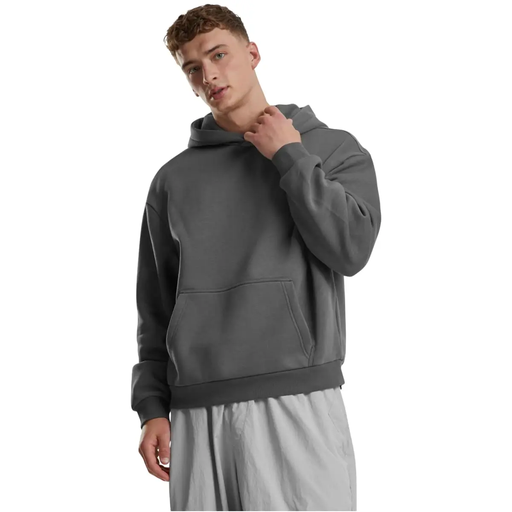
Why it suits this profile: An accessible hoodie for everyday wear, at home, on the go or as a layer for a walk in dry weather.
The composition and fabric weight are stated, so you do not have to rely solely on general comfort claims.
70% cotton and 30% polyester, relaxed fit, hood, storage space and ribbed trims.
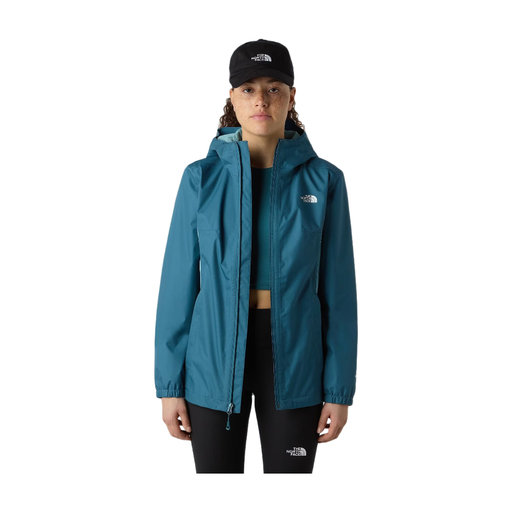
Why it suits this profile: For users looking for a technical women’s outdoor jacket for walking and changeable, wet weather.
The product information mentions DryVent, an adjustable hood, elasticated cuffs and a zip-in-compatible design.
100% polyester outer fabric, zipped pockets, concealed hood adjustment and sizes from XXS to 3XL.
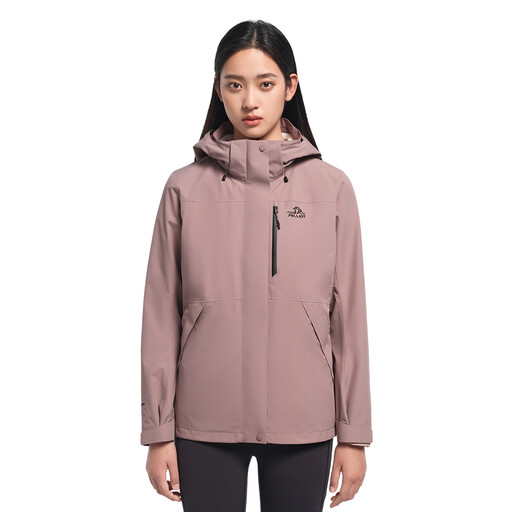
Why it suits this profile: For camping, trekking and commuting, where a flexible 3-in-1 jacket can be useful.
The product description gives specific values for hydrostatic head, breathability and abrasion resistance instead of making only general weather claims.
Separate outer layer and lining, adjustable fit and a stated hydrostatic head of 35.900 mm H₂O according to the product information.
We have put together a complete, up-to-date list of products that fully meet these strict selection criteria and the applicable European safety regulations.
Also pay attention to care. Turn hoodies inside out and fasten zips before putting them in the washing machine. Always follow the label when washing technical jackets. Do not use bleach if it is not recommended, and avoid high drying temperatures if instructed by the manufacturer. This helps to limit shrinkage, wear and loss of shape.
Water-repellent material allows light rain to roll off the surface temporarily. A waterproof jacket is designed with a membrane or coating that keeps water out more effectively, often combined with finished seams. Always check the specific product information, as brands do not all use these terms in the same way.
Lifespan depends on how often it is worn, washing, drying and friction. A hoodie made from sturdy fabric with ribbed trims may retain its shape for longer, but this is not a fixed guarantee. For a jacket, zips, seams, cuffs and the condition of the coating are important points to check.
That depends on how you use it. A 3-in-1 jacket offers more ways to combine layers, but it may be heavier or bulkier. If you mainly walk around town, a lightweight waterproof jacket and a separate fleece hoodie may be enough. For travelling, camping and walking, the combination of layers can be particularly practical.
