
Vandaag of morgen in huis

Kwaliteit gegarandeerd

Welkomstaanbiedingen ontgrendelen: GRATIS bezorging | Tot 80% korting | Gratis 30 dagen JoyPlus-proefperiode
Download de app
A hoodie may seem like a simple purchase, but small differences in material, fit and finish determine how comfortable it is to wear. A fleece hoodie, for example, can feel warm, while a lightweight cotton hoodie may be more practical as an extra layer. Women’s and men’s hoodies also often differ in sizing and cut.
If you only consider colour or brand, you may overlook several common pitfalls. With these practical checks, you can compare hoodies based on features you can actually assess.
A brushed inner surface feels pleasant when trying a hoodie on, but also pay attention to the material blend. Cotton generally feels soft, while polyester can help the garment retain its shape and make it easier to care for. Always check the label or product specifications, such as whether the fabric is 70% cotton and 30% polyester.
A loose fit leaves room for layering, but an oversized hoodie often has extra-wide shoulders and longer sleeves. So do not rely on the name alone. Compare your chest measurement, sleeve length and the size chart with a hoodie you already find comfortable.
A hooded hoodie can provide extra coverage, but a hood without a drawstring is less easy to adjust. With a zip-up hoodie, it is also important that the zip closes smoothly and that the pockets are large enough for your needs. These details determine whether the garment is suitable for commuting, walking or a sporty outfit.
A fleece hoodie usually has a soft, brushed inner surface and is suitable for colder days. French terry is often lighter and has a smooth outer surface with a less substantial inner side. A cotton hoodie feels familiar for everyday wear, but the precise polyester blend affects care requirements and fit.
Pay attention to the following information:
Brands may promote features such as moisture management or quick-drying fabric. Treat these claims as a brand claim unless the product information provides a verifiable specification. A brand’s own research may, for example, state that a particular fabric can help wick away moisture; this is not a general guarantee for every wearer.
A men’s hoodie is often offered using chest and waist measurements, while a women’s hoodie is more likely to use bust measurements. Use the size chart for the specific product, as sizing is not standardised everywhere.
Pay particular attention to:
For casual wear, a pullover with a kangaroo pocket is often sufficient. If you regularly move between indoors and outdoors, a zip-up hoodie may be more practical. For light training, freedom of movement, an adjustable hood and a fabric that is not too heavy are useful considerations. None of these features makes a particular model suitable for everyone; the choice depends on the activity, season and personal preference.
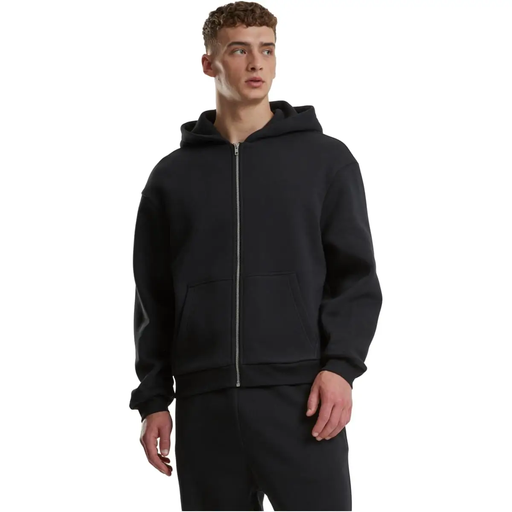
Why it suits this profile: The full-length zip makes it easy to put on and take off. The black colour pairs easily with jeans, joggers and sportswear.
The product specification mentions a brushed inner surface, a drawstring in the hood and a full-length zip. This means you do not have to rely solely on the word “soft”.
70% cotton and 30% polyester; side pockets, adjustable hood and regular fit.
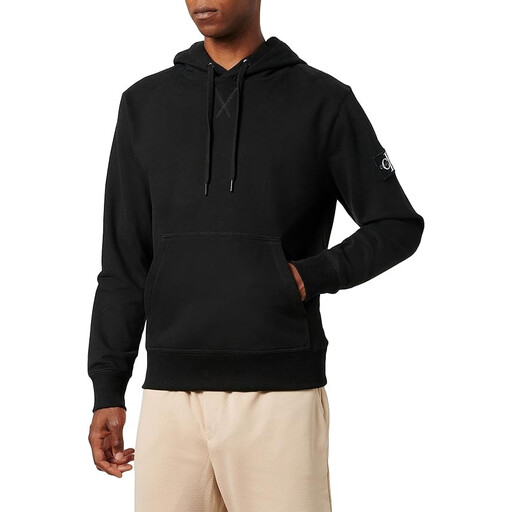
Why it suits this profile: If you are looking for a classic black hoodie with subtle branding, this model fits easily into a casual or athleisure wardrobe.
The adjustable hood and ribbed trims are described clearly. However, check the label for the exact cotton-polyester ratio.
Black colour; badge on the chest; adjustable drawstring and ribbed cuffs and hem.
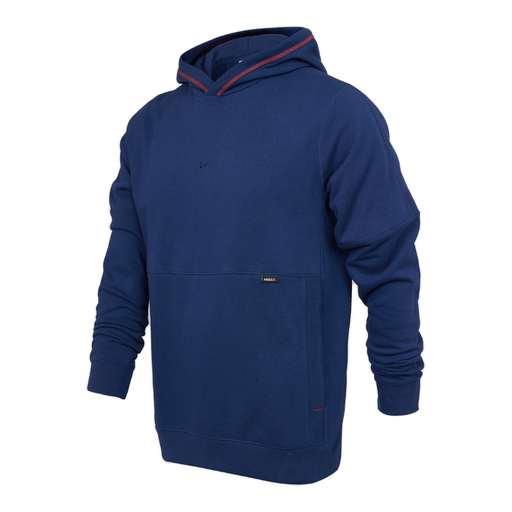
Why it suits this profile: The loose fit leaves room for movement and layering. This makes the sporty hoodie suitable for light training and everyday wear.
The product description mentions fleece, an adjustable hood and ribbed trims. You can therefore assess warmth and freedom of movement alongside the size chart.
Cotton-polyester fleece; loose fit; adjustable hood; suitable for layering.
We have put together a complete, up-to-date list of products that fully meet these strict selection criteria and the applicable European safety regulations.
Wash a hoodie according to the label and turn printed garments inside out. A washing temperature of 30 °C is recommended for several of the models mentioned. Wash with similar colours and avoid bleach where instructed. Allow the hoodie to air-dry if the instructions permit; high tumble-dryer heat can affect the fit and print.
A hoodie will generally last longer if you do not wash it after every brief wear, treat stains immediately and fasten the zip before washing. After buying, also check that the chosen size provides enough freedom of movement without unnecessary tension around the shoulders and cuffs.
Choose a fleece hoodie or a model with a brushed inner surface. Also check the fabric thickness, sleeve length and whether the fit leaves room for a T-shirt or thermal layer.
That depends on how you intend to use it. Cotton feels soft and is suitable for everyday wear. Polyester can help the garment retain its shape and make it easier to care for. A cotton blend combines these properties, but always check the exact percentage.
Follow the care label, wash at the recommended temperature and do not use a higher tumble-dryer setting than indicated. Allow the hoodie to dry flat or on a hanger when this is permitted by the product information.
