
Vandaag of morgen in huis

Kwaliteit gegarandeerd

Welkomstaanbiedingen ontgrendelen: GRATIS bezorging | Tot 80% korting | Gratis 30 dagen JoyPlus-proefperiode
Download de app
A weekly face mask isn't just a luxury; it's a targeted treatment for your skin. You might be familiar with the search: you want a product that tackles excess sebum without causing dryness, or one that deeply hydrates and combats the first signs of aging. With so many options available, making the right choice can be challenging.
The clay masks from the Japanese brand Honey Roa, which recently rebranded as Loa Liv, are popular for their targeted formulas. This article will help you understand the different variations, so you can choose a mask that perfectly matches your skin's needs. We'll look at the specifications and who each mask is designed for.
Before you make a choice, it's helpful to consider a few things. A good mask aligns with what your skin currently needs.
Not all clay masks are created equal. A clay mask for oily skin often contains ingredients that help absorb sebum and refine the appearance of pores. Do you experience tightness and flakiness instead? Then a clay mask for dry skin with hydrating additives is a better option. So, think not only about your skin type but also about the specific concerns you want to address.
The base of these masks is clay, such as kaolin or bentonite, which are known for their purifying properties. Some masks, like a sea mud mask, are rich in marine minerals and focus more on nourishment and revitalization. The philosophy behind a Japanese skincare mask often strikes a balance between efficacy and gentleness, with natural extracts playing a key role.
Are you looking for a mask for acne and blemishes? Choose a product specifically formulated for sebum control. Want to address fine lines and a dull complexion? Then an anti-aging mask with nourishing and revitalizing ingredients is the right choice. A hydrating face mask is ideal if your skin is primarily in need of moisture.
Below is an overview of three popular masks from this line.
A quick note: The brand name Honey Roa was changed to Loa Liv on October 1, 2024. The product formulas have remained unchanged.
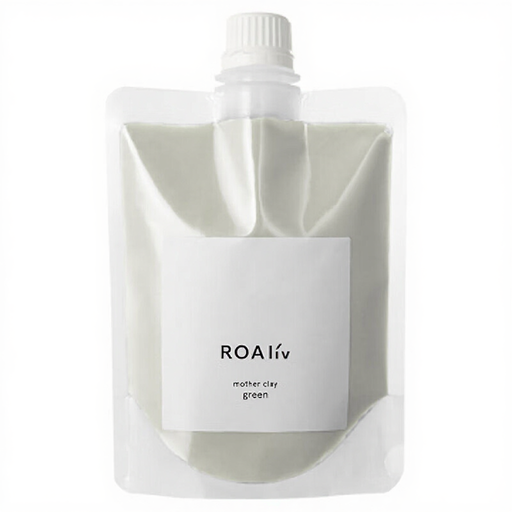
Why It Stands Out This mask combines different types of clay, including kaolin, bentonite, and illite, to deeply cleanse the skin. The formula is enriched with ingredients like Phellodendron Amurense bark extract and Houttuynia cordata extract, which are often used in Japanese skincare for their soothing properties.
Benefits
Who Is It For? This mask is an excellent choice for those with oily or combination skin. It is particularly suitable if you struggle with a shiny T-zone, enlarged pores, or are looking for a weekly mask for acne and impurities.
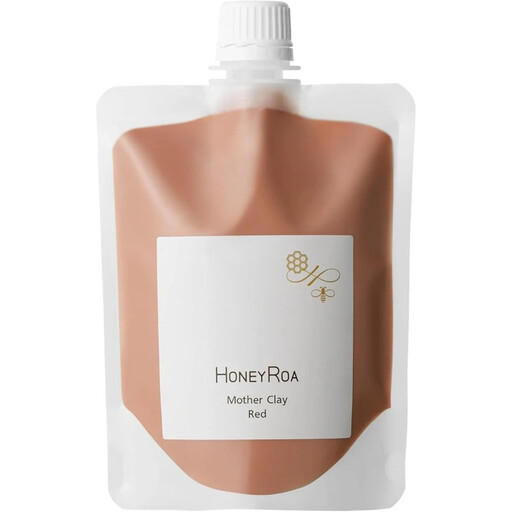
Why It Stands Out This is not a traditional clay mask, but a sea mud mask. Its focus is on revitalizing and nourishing the skin. According to the manufacturer, it was developed as an intensive treatment to give the skin a concentrated boost of active ingredients.
Benefits
Who Is It For? This mask is intended for anyone looking to address the first signs of aging, such as loss of elasticity, fine lines, or a dull complexion. It is suitable for skin types in need of nourishment and restoration.
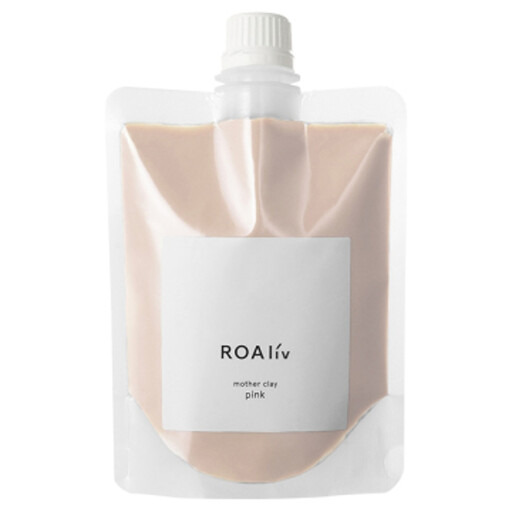
Why It Stands Out A clay mask that hydrates might sound counterintuitive, but this pink version is specially developed for dry skin. In addition to kaolin, the formula contains nourishing ingredients like glycerin, squalane, and evening primrose extract. This makes it a mild yet effective hydrating face mask.
Benefits
Who Is It For? This is the ideal choice for people with dry or dehydrated skin who want to experience the benefits of a clay mask without the tight feeling. If you find traditional clay masks too intense, this clay mask for dry skin is worth a try.
Clay masks are a fantastic weekly treatment. To further support your skin's health, ingredients with antioxidant properties, such as vitamin E, are a great addition to your routine. These help protect the skin barrier against external aggressors.
Curious about products that strengthen your skin barrier? Check out our selection of products with natural vitamin E.
Most clay masks are intended as a special treatment. According to Loa Liv's (Honey Roa) instructions, it's best to use the masks 2 to 3 times a week. Always listen to your skin; if you notice it reacting sensitively, once a week may be sufficient.
Yes, as long as you choose the right formula. A traditional, highly absorbent clay mask can further dry out dry skin. Therefore, opt for a version enriched with hydrating and nourishing ingredients, like the Loa Liv (Honey Roa) Clay Mask Pink. This type of hydrating face mask gently cleanses while replenishing moisture levels.
Although they are often used interchangeably, there is a difference. Clay is extracted from the earth and is known for its absorbent and purifying properties. It is ideal for removing impurities and excess sebum. Sea mud comes from the bottom of seas or lakes and is typically richer in minerals and salts. A sea mud mask, like the red version from Honey Roa, often focuses more on nourishing, revitalizing, and mineralizing the skin.
