
Same-day & Next-day Delivery

Quality Guaranteed

Unlock Your Welcome Offers: FREE Delivery | Up to 80% OFF | Free 30-day JoyPlus trial
Download the APP
A honey face mask sounds simple enough, but the options range from a nourishing mask for dry skin to a clay face mask with honey, propolis and sebum-controlling ingredients. That means a pretty package or the word “glow” isn’t enough to make a good choice.
The main pitfalls to watch out for:
The format determines how you use the product:
Honey, honey extract, propolis, royal jelly and beeswax are all different ingredients. A propolis face mask is therefore not the same as a mask where honey is the main ingredient.
For dry or dull skin, look for ingredients like glycerine, panthenol, hyaluronic acid, shea butter, squalane or plant oils. For pores and sebum, kaolin, bentonite or rice powder can be relevant. However, these ingredients don’t determine the result alone; fragrance, exfoliating particles and plant extracts can also affect the experience.
Brands may promote properties such as soothing, brightening or a “healthy glow”. Treat such claims as marketing statements from the brand, not as guaranteed results. The selection below is therefore based on the stated product form, ingredients, volume and usage instructions.
A large pot may seem good value, but look at the amount per use and the recommended frequency. Also check:
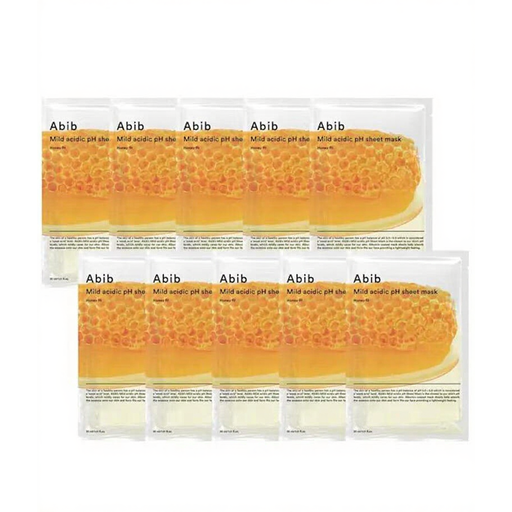
Why this fits the profile: The pack contains 10 sheet masks, so you can build a regular weekly routine without opening a large pot straight away.
The format and quantity are clearly stated. Do check the recommended wear time on the packaging and test the mask on a small area of skin beforehand.
Sheet mask format, 10 pieces and a formula with honey extract, glycerine, panthenol and sodium hyaluronate according to the product information.
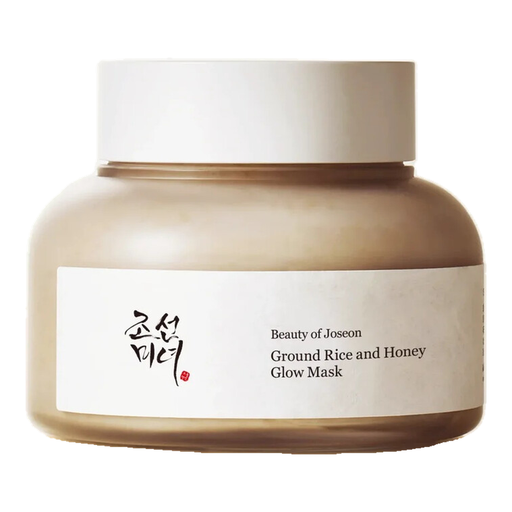
Why this fits the profile: This Korean face mask combines a wash-off formula with rice ingredients, honey and kaolin for those who want hydration and a smoother skin texture in one routine.
The ingredients list clearly shows that the product contains both kaolin and rice powder. If you have sensitive skin, massage gently and test beforehand.
150 ml volume, 5% honey according to the product description, kaolin for sebum and rice powder for gentle mechanical exfoliation.
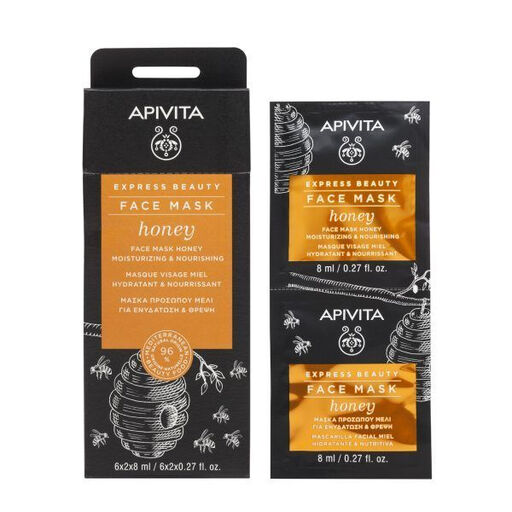
Why this fits the profile: The product information describes this as an intensive treatment for dry skin. The instructions call for a thick layer and a 12–15 minute application time.
The usage time and skin indication are clearly described. Carry out the recommended patch test behind your ear and follow the shelf life information on the packaging.
Manuka honey, oat beta-glucan, glycerine, shea butter and sodium hyaluronate are listed in the formula; the size is 628 ml.
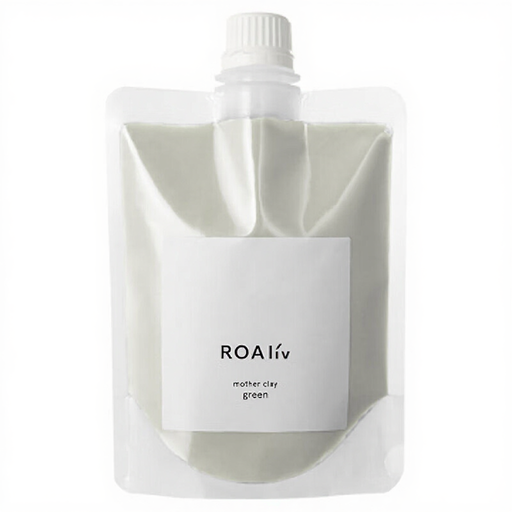
Why this fits the profile: According to the product details, this wash-off clay mask is aimed at sebum control and acne care. It may therefore be particularly suitable for a shiny T-zone.
The instructions state approximately 5 minutes and rinsing with lukewarm water. Don’t leave it on longer than advised and, if you have dry skin, limit it to areas that produce sebum.
240 g volume; the formula contains kaolin, bentonite, honey, honey extract and propolis extract according to the product information.
We’ve put together a full, up-to-date list of products that fully meet these strict selection criteria and comply with current European safety regulations.
Cleanse your face first and pat it dry. Then apply the mask according to the instructions. A hydrating face mask or nourishing face mask can be finished off with a simple cream, especially if your skin feels tight after rinsing.
Don’t use a clay mask and an exfoliating sugar mask on the same evening if your skin is sensitive to doing so. With an overnight face mask, a thin, even layer is usually sufficient. Stop using it if you experience burning, itching or swelling, and follow the safety information on the label.
That depends on the full formula. Ingredients such as glycerine, panthenol, shea butter and oils can fit into a nourishing routine. If you have dry skin, it’s best to avoid a strongly absorbent clay mask for the whole face and test a new product beforehand.
Follow the product instructions. Many wash-off masks are used once to several times a week, while a sheet mask has its own recommended wear time. Applying it more often doesn’t automatically lead to better results.
That cannot be guaranteed without question. Check for fragrance, propolis, royal jelly, plant extracts and exfoliating particles. Test a small amount first and stop if irritation occurs. Extra caution is needed if you have a known allergy to bee products.
