
Vandaag of morgen in huis

Kwaliteit gegarandeerd

Welkomstaanbiedingen ontgrendelen: GRATIS bezorging | Tot 80% korting | Gratis 30 dagen JoyPlus-proefperiode
Download de app
Dog treats are handy as rewards, training aids or an addition to your dog’s daily routine. However, not every bag is suitable for every dog. A puppy has different needs from a senior dog, while a small dog may struggle with large chews. Terms such as “natural”, “grain-free” and “supports dental care” only tell you so much, so always check the full product information.
The main pitfalls to avoid when buying dog treats are:
Start by checking the ingredients. If meat, fish or another clearly named ingredient appears near the top of the list, that tells you more than a general term such as “meat flavour”. When choosing natural dog treats or grain-free dog treats, also check that grains are genuinely absent and see which ingredients are used instead.
Look out for:
A product that is high in protein is not automatically suitable for every dog. High-protein dog treats can be practical for active dogs, but the total amount of food still matters.
Soft jerky that breaks into small pieces is handy as dog training treats. A firm chew is a better fit for a dog that likes to chew for longer. Always choose the size based on your dog’s body weight and chewing style.
Give your dog treats under supervision. If the product information recommends it, break larger treats into smaller pieces for small dogs. A treat must not pose a choking risk or replace a main meal.
When choosing dog dental sticks, it’s important to follow the recommended size and daily amount. According to Pedigree’s product information, the variant in question is intended for medium-sized dogs aged four months and over. The claim about reducing tartar is based on information from the manufacturer, so treat it as a product feature based on the brand’s own research, not as a universal guarantee.
Decide what you’re buying the treat for:
Low-fat dog treats are not necessarily low in calories. Check the energy information if it’s available, and adjust your dog’s main meal if needed.
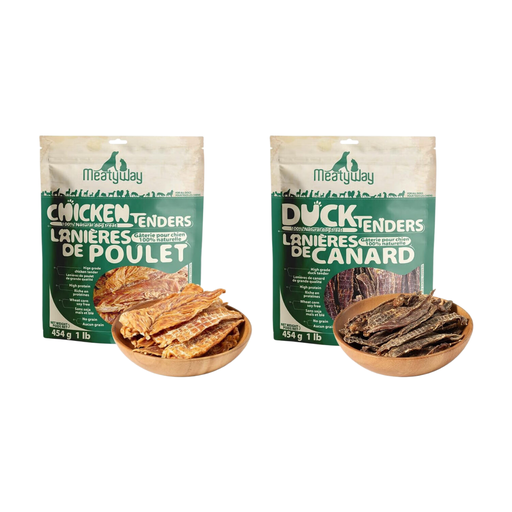
Why it suits this profile: According to the product information, the soft jerky can be broken into smaller pieces, making it handy for everyday training and rewards.
The ingredients are clearly listed, and the pack contains two 454-gram bags. Always check the portion size and best-before date.
Duck and chicken are listed ingredients; the product description says it has a grain-free recipe and a texture that breaks apart easily.
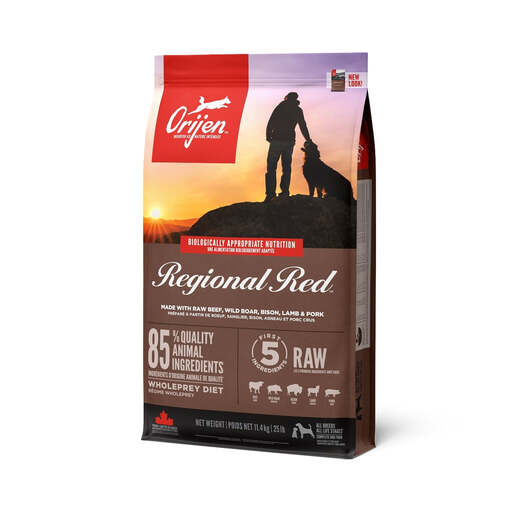
Why it suits this profile: This is a complete dog food for adult dogs, not an everyday reward treat. The 11,4 kg bag may suit households looking for a main food with a detailed ingredient list.
The analytical constituents are specified, including 38% crude protein and 18% crude fat. Introduce the food according to the transition period given.
Complete food, several named animal ingredients and clear nutritional values, according to the product description.
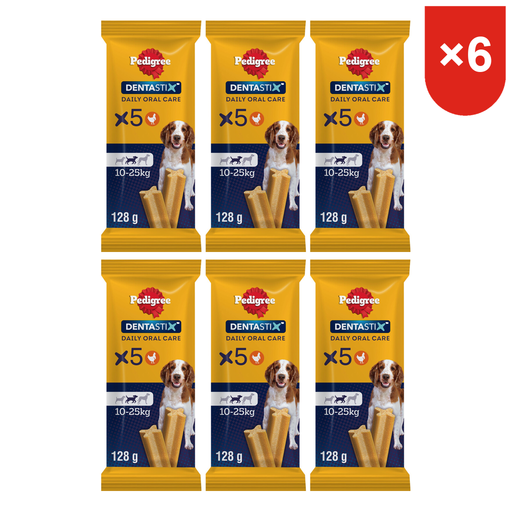
Why it suits this profile: According to the product information, these chews are intended for medium-sized dogs aged four months and over, and can be included in a regular daily routine.
The intended dog size, daily amount and analytical values are listed. The claim about tartar reduction is based on information provided by Pedigree.
Designed for medium-sized dogs, with one chew per day according to the product information, and 1,3% fat.
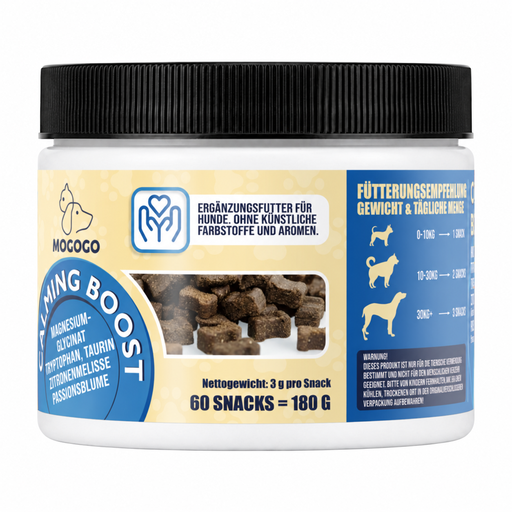
Why it suits this profile: These soft treats are intended for situations such as travelling, fireworks or adjusting to a new environment. The tub contains 60 treats weighing 3 grams each.
The amount per treat and the ingredients, including magnesium glycinate, L-tryptophan and passionflower, are specified. The claimed effects come from the product description.
Pre-portioned soft treats, no artificial colourings or flavourings according to the product information, and storage advice for after opening.
We’ve put together a complete, up-to-date list of products that meet these strict selection criteria and the applicable European safety regulations.
It depends on your dog’s size, activity level and overall diet. Follow the recommended amount on the packaging and, if needed, deduct the energy from treats from your dog’s main meal. If your dog is overweight, has allergies or has a medical condition, you can discuss their feeding plan with your vet.
Where possible, choose a product with a short, clear ingredient list and introduce it gradually. Grain-free dog treats are only relevant if grains don’t suit your dog’s diet; grain-free doesn’t automatically mean a treat is easier to digest.
No. Dog dental sticks can be part of your dog’s daily dental routine, but they don’t replace proper dental care. Take your dog’s size into account, give the recommended amount, and ask your vet to check their teeth if you notice a build-up, signs of pain or bad breath.
