
The home cook who likes to prepare ahead
Wants to keep homemade dressing and perishable meal ingredients chilled and ready for a shared dinner. Checking the temperature of your current fridge can help you decide whether you need extra space.


If your current fridge has enough room and a thermometer reads around 4 °C after half a day or overnight, you don’t necessarily need an extra fridge just for a portion of dressing. If you regularly run short of space, compare a freestanding under-counter fridge, an integrated fridge or a fridge-freezer by usable fridge capacity, placement and annual energy consumption. Milieu Centraal advises only switching on a second fridge for special occasions, or considering one suitably sized larger appliance. The Netherlands Nutrition Centre advises keeping dishes containing raw egg chilled and storing them for no more than 24 hours, whatever appliance you choose.
Wants to keep homemade dressing and perishable meal ingredients chilled and ready for a shared dinner. Checking the temperature of your current fridge can help you decide whether you need extra space.
Regularly runs out of room for sealed containers and ingredients when hosting shared meals, so compares usable fridge capacity and appliance types.
Needs to fit a fridge into a small available space or a suitable built-in niche, and compares dimensions, layout and stated noise levels before choosing a model.
First, check the temperature and assess the space in your current fridge. Then compare appliances if you need extra capacity on a regular basis.
Best if: there’s room for the sealed dressing and other chilled ingredients, and a thermometer reads around 4 °C.
Consider: the setting alone doesn’t tell you the actual temperature; check it with a thermometer.
Best if: you regularly need extra fridge space, don’t need a freezer and have room for a freestanding appliance.
Consider: a second fridge left on all the time uses extra electricity. Compare its annual consumption with that of a suitably sized larger appliance.
Best if: an existing or planned kitchen cabinet determines where the appliance will go, and you mainly need fridge space.
Consider: check the niche dimensions, door fitting and installation instructions for the exact model.
Best if: you need freezer space as well as fridge space for your meal.
Consider: compare the fridge and freezer capacities separately, and check the installation dimensions.
| What to consider | What to look for when buying | Who should pay particular attention? |
|---|---|---|
| Temperature you can check | Set the fridge to 4 °C and measure the temperature on the bottom shelf with a thermometer. The Netherlands Nutrition Centre advises leaving it there for half a day or overnight. | If I’m preparing dressing alongside other perishable ingredients, I want to know whether the fridge is cold enough. Around 37% of consumers prioritise being able to check the temperature. |
| Space for your meal | Compare the fridge capacity in litres and check that the shelves can accommodate your containers. | If I need to chill sealed containers and ingredients for several people, I want to know how much usable fridge space there is. Around 27% of consumers give space their top priority. |
| Energy consumption | Compare the stated annual consumption in kWh of appliances that meet your space needs. The energy label also shows capacity and noise level. | If an extra fridge would be left on most of the time, I want to take its stated annual consumption into account. Around 18% of consumers prioritise energy consumption. |
| Suitable placement | Measure the available space and check the appliance’s external dimensions, type, any door-fitting requirements and stated noise level in dB. | If there’s little free space in the kitchen or the built-in niche determines what will fit, I want to know in advance whether the model is suitable. Around 18% of consumers prioritise placement and noise level. |
Advice for opened, packaged dressing without oil doesn’t automatically apply to homemade dressing. The Netherlands Nutrition Centre has separate storage advice for dishes containing raw egg.
Check which ingredients your dressing contains, and follow the Netherlands Nutrition Centre’s specific advice for raw egg.
An extra appliance left on all the time uses electricity, even if you only need the extra space now and then. Milieu Centraal suggests only switching it on for special occasions, or considering one suitably sized larger appliance.
First check the temperature and assess the space available. Then compare the annual consumption of appliances that suit your needs.
In a fridge-freezer, the stated litre capacities for the fridge and freezer refer to separate compartments. Freezer space doesn’t give you extra room for fresh ingredients or dressing.
Compare the fridge capacity in litres separately, and check that the layout works for your containers.
The KK550 is a freestanding under-counter fridge with no freezer compartment, offering a useful reference for anyone looking for extra fridge space.
The Rc 1400 Pure is an under-counter fridge with no freezer compartment. Its stated capacity and dimensions offer a useful comparison with more compact models.
The KGN39VLCK is an example of a freestanding fridge-freezer for anyone who needs both fridge and freezer space.
This selection includes integrated fridges, compact freestanding fridges and fridge-freezers to suit different space requirements and kitchen layouts.
 No image available
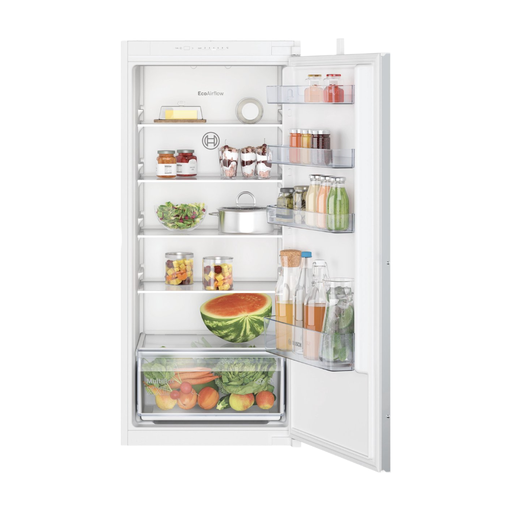
An integrated model for a kitchen with a suitable niche.
204 l fridge capacity; sliding-door system. Check the required niche dimensions and installation instructions for this model.
 No image available
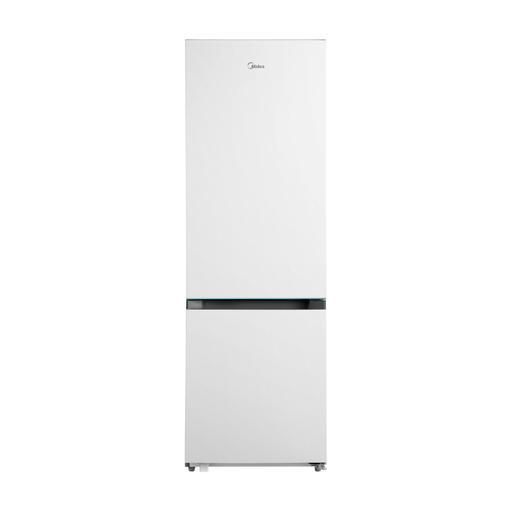
A freestanding model for anyone who needs both fridge and freezer space.
232 l fridge capacity and 98 l freezer capacity; electronic temperature control, four fridge shelves and a reversible door. The product information lists a cabinet depth of 57 cm and energy class E.
 No image available
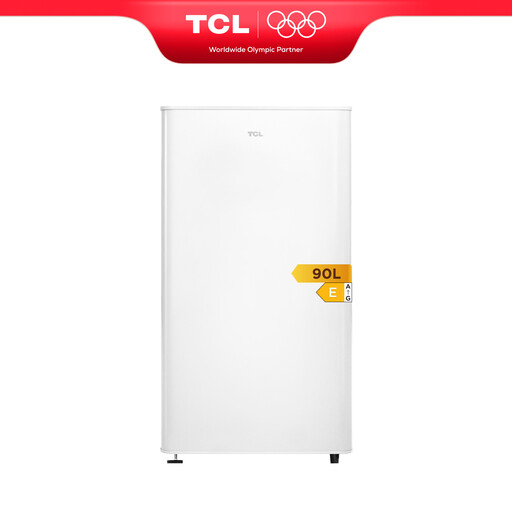
A compact fridge for keeping ingredients chilled when space is limited.
90 l fridge capacity, three adjustable glass shelves and mechanical temperature control. The stated external dimensions are 449 × 485 × 842 mm and the energy class is E. The chiller box is listed as ranging from −5 °C to 5 °C; this range isn’t a temperature reading for the fridge.
 No image available
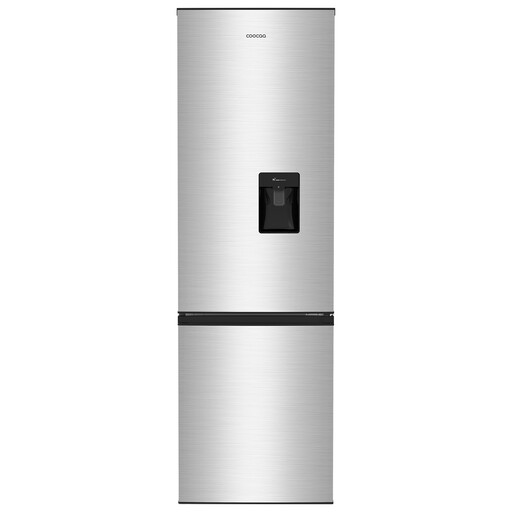
A fridge-freezer for anyone who needs freezer space as well as room for chilled ingredients.
197 l fridge capacity and 71 l freezer capacity. The product information lists three fridge shelves, three door compartments and a salad drawer. The dimensions are 550 × 586 × 1750 mm.
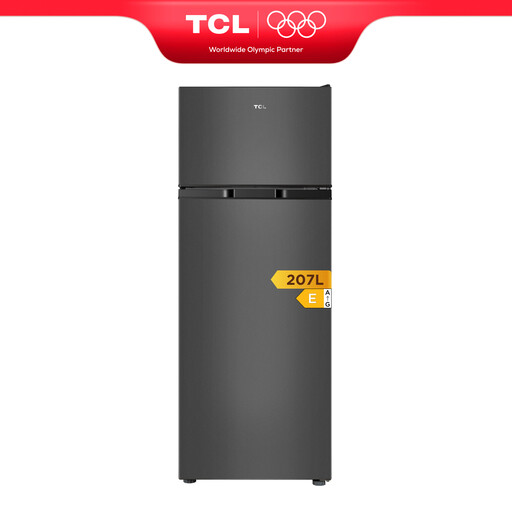 No image available
A compact fridge-freezer for anyone looking for fridge space and a separate freezer compartment.
167 l fridge capacity and 40 l freezer capacity; 55 cm wide, with adjustable shelves and adjustable feet. The product title lists Power Cool & Freeze and energy class E.
Set the fridge to 4 °C and place a fridge thermometer in the middle of the bottom shelf. The Netherlands Nutrition Centre advises leaving it there for half a day or overnight; adjust the fridge if the temperature reading is higher.
The Netherlands Nutrition Centre advises keeping dishes containing raw egg in the fridge and storing them for no more than 24 hours. It advises pregnant people, young children, older people and those with weakened immune systems to avoid dishes in which the egg remains raw. Storage advice for opened, packaged dressing without oil doesn’t automatically apply to homemade dressing.
Check the installation instructions for the exact niche and door requirements of the model. An integrated fridge and a freestanding under-counter fridge aren’t necessarily interchangeable.
The Dutch energy label includes information such as annual consumption in kWh, fridge and freezer capacity, and noise level. Use these details to compare models that suit your needs in terms of placement and capacity. According to ACM ConsuWijzer, in the Netherlands you have a legal guarantee in addition to any manufacturer’s guarantee. This covers what you can reasonably expect from the product under normal use; there isn’t one general fixed two-year period.