
Dressing maker with limited kitchen space
You make dressing to use later and want to know whether you can keep it chilled safely without immediately adding another appliance to your kitchen.


For perishable homemade dressing, having a fridge that you can keep at 4 °C is more important than choosing the smallest possible model. If your dressing fits in your existing fridge, you may not need a second appliance. If you need extra chilled storage, compare mini fridges and tabletop models by where they can be placed, how usable their interiors are and their annual energy consumption. How long you can safely store the dressing depends on its ingredients.
You make dressing to use later and want to know whether you can keep it chilled safely without immediately adding another appliance to your kitchen.
Your fridge is already full, so you’re comparing a compact fridge with a tabletop model, considering the space available and how well each can store jars and bottles.
You’re thinking about buying a second fridge, but want to weigh its ongoing energy use against making room in your existing fridge.
When: If you can fit sealed jars inside and use a thermometer to check that your fridge is at 4 °C.
Trade-off: You’ll need to make space, but you’ll avoid running a second appliance continuously. Milieu Centraal advises using a second fridge only when necessary.
When: If space is limited and you only need to chill a few extra jars.
Trade-off: The stated capacity won’t tell you whether your bottles will fit. Check the actual temperature and the placement instructions too.
When: If you want to store dressing alongside other groceries and have a suitable spot with enough ventilation space.
Trade-off: A tabletop model takes up more space than a mini fridge. Check that the layout can accommodate your tallest bottles.
When: Only if temporary cooling suits the way you’ll use it and you can check that the contents stay cold enough for the dressing.
Trade-off: Don’t choose one just because it’s compact if you can’t confirm that it maintains the required storage temperature.
For perishable dressing, the Netherlands Nutrition Centre recommends keeping your fridge at 4 °C. After installing an appliance, check that it reaches the correct temperature in practice; a temperature dial or compact size alone doesn’t prove that it does.
| What to consider | What should you check? | Who should prioritise this? |
|---|---|---|
| Keeping food reliably chilled | Check the temperature with a fridge thermometer; the Netherlands Nutrition Centre recommends 4 °C. | I want to be sure perishable dressing is kept cold enough, not just that the appliance is small. Consumers who put safe chilling first would account for around 36% of this choice. |
| A suitable place to put it | Measure the available width and depth, the door swing and the ventilation clearance specified in the manual. | If my kitchen has little spare space, I want the fridge to fit without blocking a cupboard or doorway. Around 29% of consumers would consider placement their main buying priority. |
| Usable space for jars | Measure your tallest bottle and compare the shelf heights and door compartments. Look at usable fridge space, not just the total capacity in litres. | I want to store dressing alongside other chilled groceries, taking the shape of my bottles into account. Consumers mainly looking for usable space would account for around 21% of the choice. |
| Energy consumption | Compare the annual consumption in kWh on the energy labels of the models you’re considering. | If I’m considering a second appliance, I want to factor in its ongoing energy use and check whether my existing fridge can accommodate everything. Consumers who see this as their main priority would account for around 14% of the choice. |
Ingredients and preparation methods vary. For dishes containing raw egg, the Netherlands Nutrition Centre recommends a maximum of 24 hours in the fridge; homemade products in oil can also pose a risk.
Check the guidance for the ingredients in your own recipe, rather than assuming its storage life is the same as that of an opened packaged product.
Depth, door swing and the required ventilation clearance also determine whether a freestanding model will work in your chosen spot.
Measure the entire space and follow the placement instructions for the exact model.
The stated capacity won’t tell you how many bottles of your size will fit in practice.
Before choosing, compare the height of your bottles with the shelves and door compartments.
An extra appliance uses energy even when there’s very little inside it.
Check the annual consumption on the energy label, and first see whether your existing fridge has enough room.
Inventum offers, among other models, a slim 94-litre fridge and a 131-litre tabletop model. They call for different trade-offs between external dimensions and chilled storage space.
The KTR15NWEB is a freestanding tabletop fridge without a freezer compartment, for anyone who values chilled storage space more than the smallest possible footprint.
The Rd 1200 Pure is a 50 cm-wide tabletop fridge for anyone comparing stated fridge capacity and temperature control.
At 45 litres, the KB 8877 is a more compact option if a full tabletop model would take up too much space.
This selection includes compact freestanding fridges and tabletop models for anyone looking for extra chilled storage. Check whether each model’s dimensions and interior layout suit your jars and bottles.
 No image available
A tabletop model for anyone looking for extra chilled storage; the product name lists an 88-litre capacity and energy rating E.
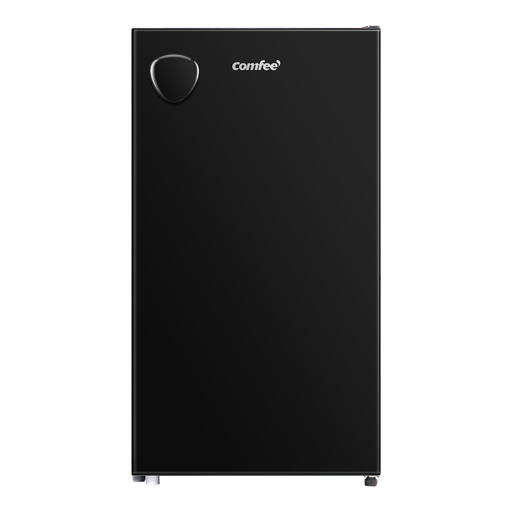 No image available
A compact fridge for anyone looking for extra space; the product name lists an 88-litre capacity, an adjustable thermostat, a reversible door and energy rating E.
According to the product information, the separate chiller compartment is for short-term cooling only. Don’t store products in it for longer than 2 hours.
 No image available
A compact fridge for extra chilled storage; the product name lists a 90-litre capacity, a chiller compartment, adjustable feet and energy rating E.
Use a thermometer to check whether the fridge compartment reaches the required temperature in your chosen spot.
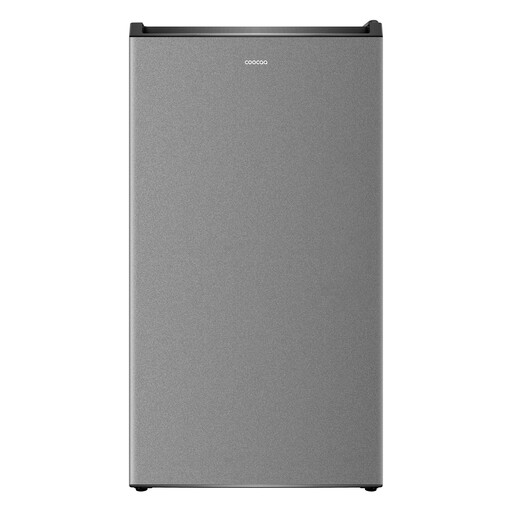 No image available
A compact fridge for anyone looking for extra chilled storage; the product name lists an 83-litre capacity and energy rating E.
Check that the interior layout suits the height of your dressing bottles, and measure the entire space where you plan to put the fridge.
 No image available
A compact fridge for anyone looking for extra chilled storage; the product name lists a 92-litre capacity, a width of 47 cm, seven temperature settings and energy rating E.
Check the temperature in practice, and measure the space needed for installation and the door swing too.
Set your fridge to 4 °C and check the temperature with a fridge thermometer. The Netherlands Nutrition Centre recommends leaving the thermometer in the middle of the bottom shelf for half a day or overnight. Adjust the fridge if the reading is higher.
For dishes containing raw egg, the Netherlands Nutrition Centre recommends keeping them for no longer than 24 hours, always in the fridge. This advice applies specifically to dressing containing raw egg; follow the relevant storage advice for other ingredients.
Don’t assume that it can. Follow the manual for the exact model to allow for ventilation, and measure the door swing too. A freestanding model isn’t automatically suitable for built-in installation.
Compare the annual consumption in kWh on the energy labels of the models you’re considering. The Dutch government describes the energy label as a source of information about energy consumption. Also consider whether your existing fridge has enough room.