
Vandaag of morgen in huis

Kwaliteit gegarandeerd

Welkomstaanbiedingen ontgrendelen: GRATIS bezorging | Tot 80% korting | Gratis 30 dagen JoyPlus-proefperiode
Download de app
A home air purifier can help reduce dust, pollen, smoke particles and pet odours in a room. However, many people buy a device that is not well suited to their home. A high filter class does not tell you everything. Capacity, maintenance and the availability of replacement filters all help determine whether you will continue to enjoy using the appliance.
A HEPA H13 air purifier sounds appealing, but a filter only works effectively when enough air flows through it. You should therefore also check the CADR, or Clean Air Delivery Rate. This value is expressed in cubic metres per hour and indicates the volume of filtered air delivered.
A compact air purifier with a low CADR may be suitable for a bedroom, but less appropriate for an open-plan living room. Also pay attention to the difference between the stated maximum room size and the room in which you will actually use the appliance on a quiet setting.
A quiet air purifier is ideal beside your bed or in an office. However, the lowest fan setting usually moves less air than the highest setting. So look at both the noise level and the CADR available at each speed.
A sleep mode of up to 25 dB may sound quiet according to the product specifications of some models, but effective filtration may be lower in this mode. For everyday use, an automatic mode is often more practical: the appliance can adjust the fan speed according to the measured air quality.
An air purifier filter is a consumable. Depending on the model, usage and indoor air quality, the filter may need replacing after six to twelve months, for example. If you have pets or a lot of dust, it may need replacing sooner.
Before buying, check:
A HEPA filter should generally not be washed. Water can damage the filter material. A replacement air purifier filter must also fit exactly, so that air cannot flow around the filter.
Compact models are often sufficient for a bedroom, home office or small living room. According to the product information, the Blueair Blue Pure Mini Max has a CADR of 117 m³/h and is intended for rooms of up to approximately 20 m². The ROUNY AP-T1 and AP-T2 state a CADR of 150 m³/h and a specified coverage range of 20 to 50 m².
Treat the stated room size as a guide, not a guarantee of the same air quality in every home. High ceilings, open doors and extensive ventilation all affect performance.
A practical filtration system often consists of several layers:
An air purifier with a carbon filter is particularly useful in households affected by cooking smells, smoke or pets. However, the amount of carbon and the filter dimensions vary from model to model. Information from brands about removing specific substances should be viewed as a manufacturer’s claim, not as a universal result in every home.
Check that the appliance will fit where you intend to use it. An air purifier for a bedroom should not only be quiet, but also compact enough for the available floor or table space. Leave the amount of clearance around the air inlet and outlet specified in the manual.
Smart features such as an app, timer, child lock, air quality sensor or automatic mode are useful, but not essential. Choose them only if you will actually use them. More features do not automatically mean better filtration.
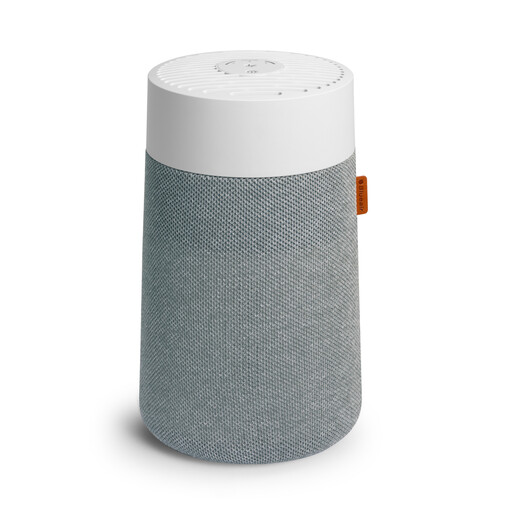
Why it suits this profile: This compact model is designed for small spaces such as a bedroom, nursery or home office. It is operated using two buttons and, according to the specifications, weighs 2.5 kg.
The stated CADR of 117 m³/h makes the capacity easier to assess than relying on a marketing term alone. The official replacement filter has the model number FMINI – 113197.
Compact size, 117 m³/h CADR and, according to the product information, suitable for up to 20 m² in 30 minutes.
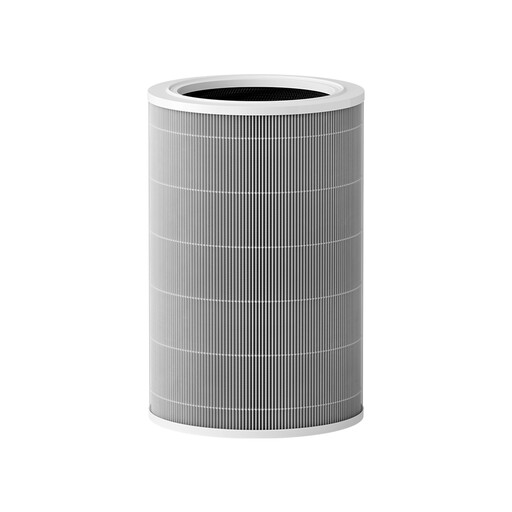
Why it suits this profile: This is a replacement filter for the Xiaomi Smart Air Purifier 4 Lite. It is suitable for shoppers who want to maintain their existing appliance rather than buy a new unit.
The product description explicitly states compatibility with model M17R-FLP and a 360° 3-in-1 design. Check your model number before ordering.
Pre-filter, HEPA H13 filter and activated carbon filter in one component; according to the instructions, the filter must not be washed or reused.
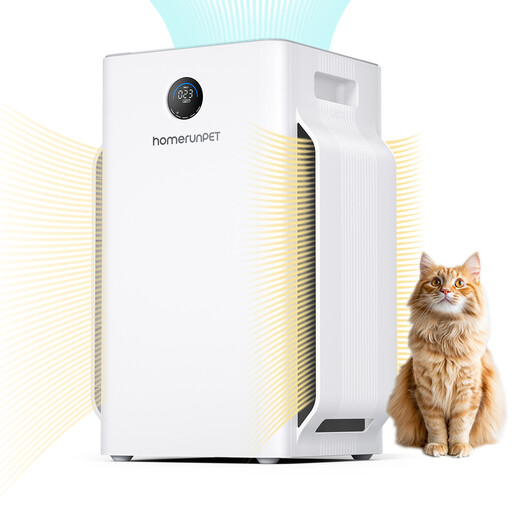
Why it suits this profile: The D1 is designed for households with cats, dogs or other pets. The specifications state coverage of up to 40 m², a sleep mode from 25 dB and an air quality sensor.
According to the product information, a washable pre-filter captures larger particles. The combined HEPA and carbon filter must still be replaced approximately every six to twelve months.
Pre-filter for hair, automatic mode, child lock and an optional odour filter according to the product description.
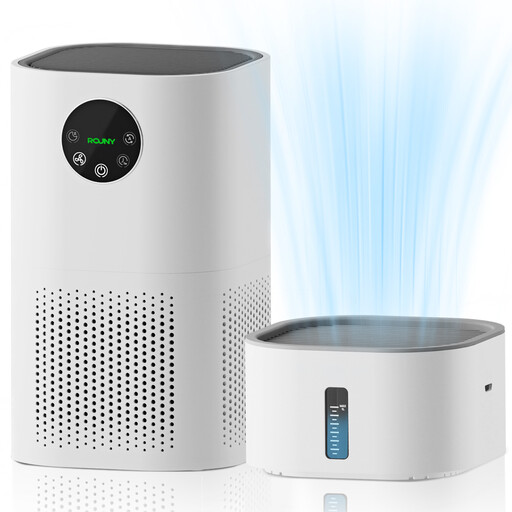
Why it suits this profile: This model combines air purification and humidification in one appliance. It is designed for bedrooms, living rooms, offices and spaces with pets.
The product specifications state both a CADR of 150 m³/h and a sleep noise level of up to 25 dB. This allows you to assess capacity and noise separately.
H13 filter, four fan speeds, air quality display, timer settings and a combined humidification function.
We have compiled a complete, up-to-date list of products that fully meet these strict selection criteria and the applicable European safety regulations.
Place the appliance on a flat, dry surface and do not block the air inlet or outlet. Dust the pre-filter according to the instructions and replace the main filter when the indicator shows that it is needed or when the recommended period has been reached.
If you are looking for a specific filter, compare the complete model number. Examples include the homerunPET D1 filter, a Homintell Callisto HEPA 13 filter, a Rowenta XD6077 for the Pure Air PU60 series or a Blueair Mini Restful replacement filter. A filter that only appears to fit based on its shape is not automatically suitable.
First consider the room size, then look at the CADR. A compact air purifier may be sufficient for a small bedroom. For a living room or open-plan space, a higher airflow is generally more practical. Ideally, place one appliance in the room where you want to filter the air; its effect will not automatically spread evenly throughout the entire home.
This varies depending on the model and usage. Many product specifications state a period of approximately six to twelve months. In a household with pets, smoke or a lot of dust, the filter may need replacing sooner. Follow the filter indicator and the manufacturer’s instructions.
Consumption depends on the power rating, the selected fan speed and how long the appliance is used. An automatic mode or timer can help limit unnecessary operation. In addition to the purchase price, compare the stated power rating and the price of the replacement filter.
