
Vandaag of morgen in huis

Kwaliteit gegarandeerd

Welkomstaanbiedingen ontgrendelen: GRATIS bezorging | Tot 80% korting | Gratis 30 dagen JoyPlus-proefperiode
Download de app
A busy family life, a demanding job, or simply the desire to create more clarity. The pile of tasks and appointments can sometimes feel overwhelming. A good home organizer isn't a luxury, but a practical tool to bring peace and structure back into your daily life.
As a Joybuy Product Recommendation Officer, I'm here to help you get started. In this article, we'll explore different types of organizers, from a decorative memo board to a smart digital calendar. The goal is to help you make a choice that fits your specific needs, without the unnecessary marketing jargon.
Before you make a choice, it's helpful to consider what you really need. Not all organizers are created equal. Pay attention to the following points.
The choice between a digital and an analog planner is highly personal. A digital calendar or a smart calendar offers benefits like automatic reminders and synchronization across different devices. This is ideal if you're often on the go and always want your schedule at your fingertips.
On the other hand, writing down tasks in a physical notebook or on a weekly planner can help you remember information better. For creative expression, such as with journaling, paper often provides more freedom. Buying a notebook is a simple first step toward more structure.
Are you looking for a solution for the whole household or a personal organizer? A family planner in a central location in the house, like the kitchen, ensures everyone is aware of each other's schedules. Think of sports activities, doctor's appointments, and birthdays. If you mainly want to organize your own tasks, goals, and thoughts, a compact notebook or a personal app is often sufficient.
An organizer can be purely functional, but it can also complement your interior design. A letter board, for example, is not only handy for short notes or inspirational quotes but also looks great on the wall. Consider whether the organizer will have a prominent place in your home and if its appearance is important to you. Materials, colors, and design all play a role here.
Based on functionality, design, and use cases, we've highlighted some interesting options for you.
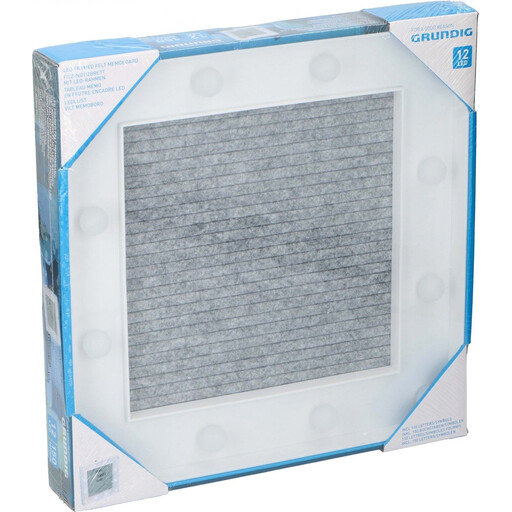
Why It Stands Out This memo board from Grundig combines functionality with ambiance. The built-in LED lighting provides a soft, warm glow, making the board not just a planner, but also a decorative element in your home.
Pros
Who Is It For? This is a great choice for anyone looking for a creative and decorative way to share short messages, reminders, or quotes. It fits well in a hallway, kitchen, or office.

Why It Stands Out For lovers of pen and paper, this Jubiluu notebook is a stylish option. The sturdy fabric-covered hardcover with a floral print gives it a classic look, while the thick paper is a pleasure to write on.
Pros
Who Is It For? Ideal for anyone looking for a personal organizer for journaling, creating to-do lists, or taking notes during meetings. A classic choice for those who prefer analog planning.
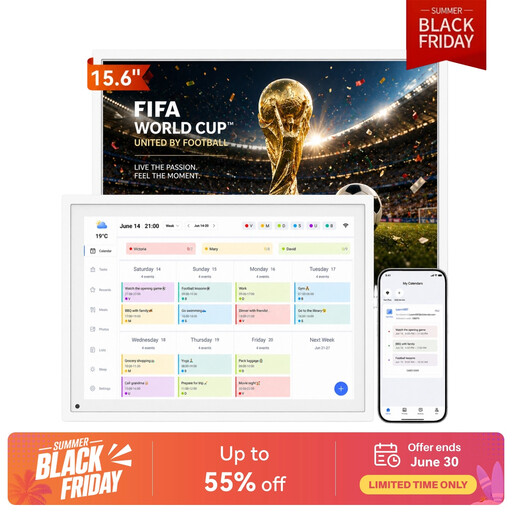
Why It Stands Out The TABWEE P15 is a central hub for all your household planning. This smart calendar with a large touchscreen offers a complete overview of appointments, tasks, and meals, and can be used by the whole family.
Pros
Who Is It For? Perfect for busy families looking for a central digital planner to coordinate everyone's schedules. Also highly suitable for caregivers seeking a technological tool to provide structure and memory support for the elderly.
Every household and every person has unique planning needs. If the recommendations above aren't exactly what you had in mind, there are plenty of other options available. From simple paper weekly planners to other digital systems, there's an organizer for every style and budget.
Explore more personal planners
An effective approach is often a combination of systems. Use a central family planner for shared appointments and a personal organizer, like a notebook, for your own tasks and goals. Consistency is key: schedule a fixed time each week to update your planners.
This depends entirely on your personal preference. A digital calendar is useful for sharing appointments and setting reminders. A paper planner can help you focus better on your tasks without digital distractions and offers more room for creativity. Try out what works best for you.
Place the planner in a visible, central location, such as on the refrigerator or in the hallway. Make it a habit to review the upcoming week with the whole family and update the planner, for example, every Sunday evening. Using color-coding for each family member can help maintain a clear overview.
