What should you look for when choosing one?
Measure and assess the room first, then compare the technology, operating noise and maintenance you’re prepared to keep up with.
| What to consider |
What to look for when buying |
Who is this important for? |
| Whether humidification is needed |
Measure the relative humidity and look out for adjustable settings, condensation and existing damp patches. |
If the air feels dry, I want to find out first whether my workspace needs humidifying. Around 33% of consumers prioritise measurable dryness and adjustable settings. |
| Water and mist |
Check the technology, the type of water permitted and the model’s cleaning instructions. |
If the device is next to my desk, I want to be able to follow the water instructions and clean the tank properly. Around 27% of consumers prioritise water hygiene and the risks associated with mist. |
| Noise while working |
Compare the stated dB(A), settings and placement options for the specific model. |
When I’m concentrating or on calls, I want to use the device without losing sight of the noise it makes. Around 20% of consumers prioritise quiet operation while working. |
| Maintenance and running costs |
Check whether replacement filters or other maintenance products are needed, along with the cleaning instructions and stated power consumption. |
If I use the device often, I want to know in advance how much maintenance it needs and which parts are required. Around 20% of consumers prioritise maintenance and running costs. |
Products for your workspace
These Joybuy products include evaporative and mist models that may suit a workspace. Check the water and cleaning instructions for each version, and make sure its stated features suit your room.
 No image available
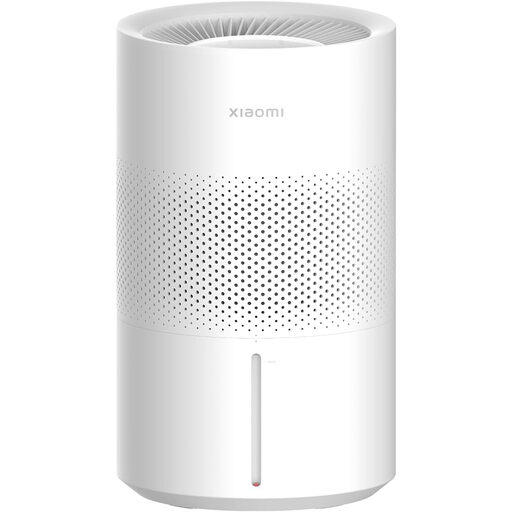
Xiaomi Smart Evaporative Humidifier Pro EU
The product title describes this model as an evaporative humidifier; consider it if you’re looking for an alternative to ultrasonic mist.
Use only clean, cold tap water, following the product instructions. Don’t add essential oils, chemicals or cleaning products to the reservoir.
Don’t place the device on a blanket or towel, as this could block the air inlet and leave the surface wet.
View at Joybuy
 No image available
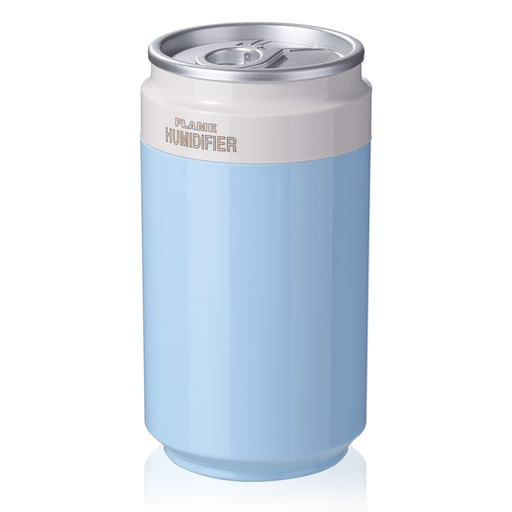
Portable mini humidifier for use in cars and indoors
The product title describes portable use indoors and in the car; check whether this version suits your workspace and the length of time you want to use it.
The product instructions specify purified or distilled water and advise against using tap or mineral water.
View at Joybuy
 No image available
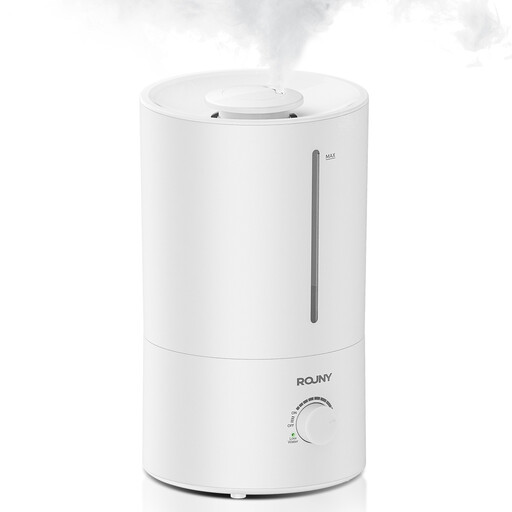
ROUNY MOS W3 ultrasonic humidifier
This model may suit you if you’re looking for an ultrasonic humidifier with adjustable mist; follow the instructions for water and tank cleaning.
The product title lists a 4 L tank, 23 W, a mist output of 350 ml/h and a noise level of ≤38 dB(A).
The instructions recommend keeping it away from electronics, walls and furniture that may be affected by moisture.
View at Joybuy
 No image available
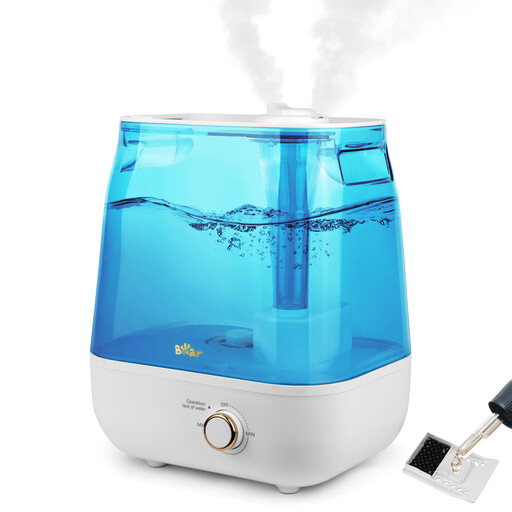
Bear 6L Top Filling Humidifier
The product title mentions top-fill design and a 360° adjustable nozzle; check how it will fit on your desk and how it works.
The product title lists a 6 L tank and 28 dB. Check the full product details to see which settings suit the way you plan to use it.
View at Joybuy
 No image available
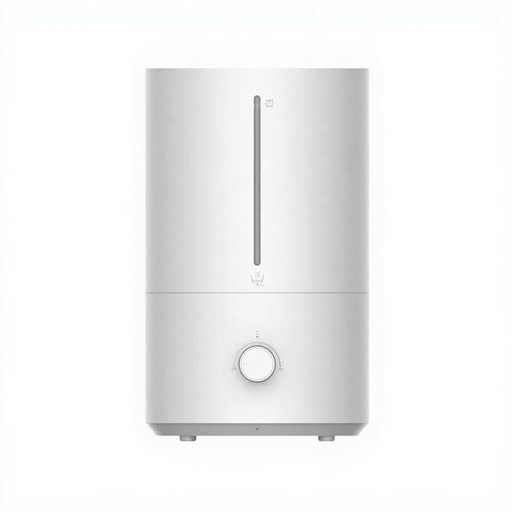
Xiaomi Humidifier 2 Lite EU 300ml/h 4L Tank
The product title lists a 4 L tank and a capacity of 300 ml/h; compare these figures with the size of your room and the setting you want to use.
The product instructions recommend changing the water and thoroughly cleaning the tank every three days.
View at Joybuy
Frequently asked questions
When might a humidifier help if my throat or eyes feel dry?
First, measure the humidity in your workspace; a dry feeling alone doesn’t prove that humidification is needed. The RIVM also identifies ventilation, temperature and pollution as possible factors. The KNMI describes 40–60% relative humidity as a comfortable range, not a legal or medical minimum in the Netherlands.
How often should I clean a portable humidifier?
Follow the instructions for your specific model. The US Environmental Protection Agency recommends cleaning a portable humidifier every third day, and emptying, wiping dry and refilling the reservoir with fresh water daily. This is usage advice from the EPA, not a legally required cleaning schedule in the Netherlands.
Should I ventilate when using a humidifier?
Yes, keep ventilating. The GGD recommends continuous ventilation. If there’s condensation or mould, deal with the cause of the damp rather than adding more moisture.
What ongoing costs and warranty details should I check before buying?
Check whether the specific model needs filters or other maintenance products, and look at its stated power consumption and operating settings. For a consumer purchase in the Netherlands, the seller must, according to the ACM, resolve free of charge any failure to meet what you could reasonably expect from a product used normally. This could mean a repair, replacement or refund. The ACM doesn’t state a fixed legal warranty period of two years.
What rules apply to an electric humidifier sold in the Netherlands?
The relevant European product rules apply to electrical appliances that fall within their scope. Business.gov.nl explains the requirements for CE marking and an EU declaration of conformity for products covered by those rules. As EUR-Lex explains, whether the Low Voltage Directive applies depends in part on the rated voltage. A CE mark in a listing doesn’t, on its own, confirm that a specific model has been checked individually.


