
Vandaag of morgen in huis

Kwaliteit gegarandeerd

Welkomstaanbiedingen ontgrendelen: GRATIS bezorging | Tot 80% korting | Gratis 30 dagen JoyPlus-proefperiode
Download de app
Working out at home sounds simple, until your equipment gets in the way, wobbles or barely gets used. When choosing home fitness equipment, it’s not just about the number of features. Size, weight capacity, noise levels and safe use all determine whether a purchase will suit you in the long term.
A compact option may work well in a flat, home office or small workout area. However, there are a few common pitfalls worth checking before you buy.
A powerful motor, high maximum weight capacity or a wide range of workout programmes may sound appealing. Always check what these specifications mean in practice. For example, a treadmill with a particular motor rating may be designed mainly for walking and light jogging, rather than extended running sessions.
Also consider the source of performance claims. A brand’s own research may suggest that a motor is quieter or more durable, but that isn’t an independent guarantee. Instead, look for verifiable details such as speed, dimensions, materials, weight capacity and warranty.
A piece of equipment that looks compact in a product photo may need a lot of room when in use. Measure not only the space where you plan to store it, but also the clear space around it. For a walking pad or folding treadmill, allow room to move, provide ventilation and ensure the floor is level.
For home workers, an under-desk treadmill is only practical if the desk is high enough and you can walk safely without catching on cables or furniture.
For a home dip station or dip bars, a wide base, non-slip feet and securely locked height settings are important. With adjustable dumbbells, make sure the weight is fully secured before every exercise. A quick-adjust system is only useful if it’s used and maintained correctly.
Compare the dimensions when in use with the space available. For folding models, also check their folded dimensions and the weight of the equipment. Transport wheels can make it easier to move, but they’re no substitute for a stable workout space.
For compact fitness equipment:
Distinguish between static weight capacity and dynamic weight capacity. Static capacity means the equipment can support a stationary load. Dynamic capacity refers to the load during movement, making it more relevant for dips, press-ups and similar exercises.
For a dip station, check details such as steel tubing, a reinforced base and rubber foot caps. For adjustable dumbbells, the materials, total weight per handle and the way plates or weights are secured matter more than appearance alone.
A walking pad for walking while you work needs different features from a treadmill for intense running sessions. So check:
According to the product description, the HadMax has a speed range of 0,6 to 3,8 miles per hour, a 3.0HP brushless motor and a stated noise level of 45 dB. It has a 10% manual incline. This combination is best suited to walking and light jogging in a home office or smaller home. Before buying, check that the stated units and running surface of around 90 x 40 cm suit your stride length and intended use.
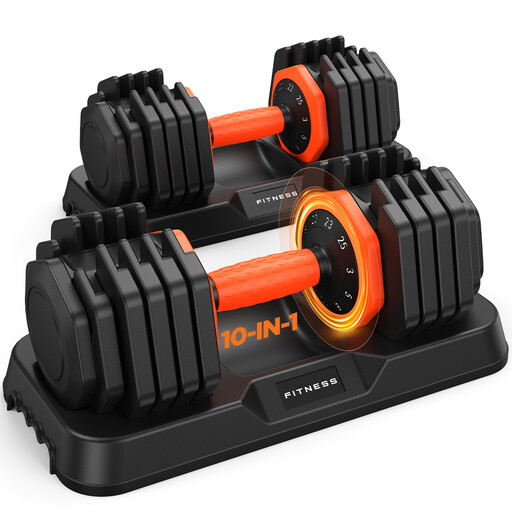
Why it suits this user: A set of adjustable dumbbells takes up less space than several fixed-weight pairs and is suitable for basic exercises at home, in the office or in a small workout area.
This product reduces the need for several separate dumbbells. However, check that the Smart Click mechanism is fully locked before every repetition.
2 x 11 kg, cast-iron construction, rubber non-slip grip and a quick-adjust system.

Why it suits this user: This model is designed for users who want to combine walking workouts, a compact set-up and extra control options.
The handrail folds down and the equipment has transport wheels, making it easier to put away after use, provided your storage space is dry and level.
10% manual incline, 12 programmes, magnetic remote control, tablet holder and a stated weight capacity of 300 lb.
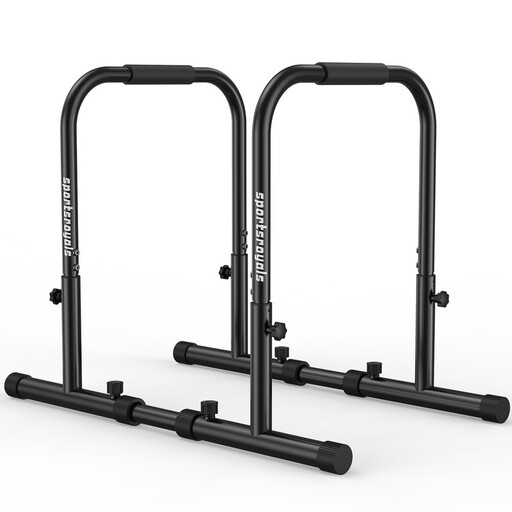
Why it suits this user: For bodyweight strength training at home, this dip station offers several exercise options, including dips, press-ups, squats and stretches.
The H-shaped base, double bars and non-slip feet are designed to improve stability. Always place the station on a level surface and check that it is securely locked.
Four height settings from 81–96 cm, steel frame, foam grips and a stated dynamic weight capacity of 200 kg.
We’ve put together a complete, up-to-date list of products that meet these strict selection criteria and the applicable European safety regulations.
A quick maintenance routine can help you spot wear and tear early:
That depends on the model, the user and the duration of each workout. Check the stated intended use, maximum speed, weight capacity and maintenance instructions. A walking pad designed for walking and light jogging isn’t automatically suitable for intense running sessions.
Measure the equipment both when it’s in use and when folded. Also leave enough space to get on and off safely, allow for ventilation and move the handrail. A compact model may fit under a bed or sofa, but first check the weight of the equipment and the height of the available storage space.
Ongoing costs are often limited to the initial purchase, electricity and any maintenance. A dip station and adjustable dumbbells use little electricity. A walking pad does use electricity; actual consumption depends on motor power, speed, workout duration and your local electricity tariff. For an accurate estimate, check the power rating on the appliance label and how long you typically use it.
