
Vandaag of morgen in huis

Kwaliteit gegarandeerd

Welkomstaanbiedingen ontgrendelen: GRATIS bezorging | Tot 80% korting | Gratis 30 dagen JoyPlus-proefperiode
Download de app
Working out at home sounds simple, until a piece of equipment takes up too much space, makes more noise than expected, or sits unused after a few weeks. When it comes to home fitness equipment, the choice isn't just about the number of features. Dimensions, stability, maintenance and the type of training all determine whether a purchase actually works in practice.
A foldable treadmill for home or a cross trainer might seem space-saving, but you also need to check the dimensions when in use. An under-desk walking pad, for example, may fit under a bed, yet while you're walking you need enough free space around the machine. So measure not only the storage area, but also the spot where you'll actually be training.
Terms like “ultra-quiet” mean little without a measured value or context. A manufacturer may state a noise level under specific conditions. According to YOSUDA's product information, the cross trainer in question operates below 20 decibels; the real-world experience can depend on the floor, assembly and training intensity.
Likewise, “shock absorption” or “joint-friendly” claims need to be assessed practically. Look at the construction of the running deck, the thickness of a yoga mat and the stability of the frame. These features can affect comfort, but they are not a medical guarantee.
A maximum weight capacity is an important product specification, but it doesn't tell you everything about wobbling. Also check the footprint, the materials, the adjustable parts and the type of floor surface. With a power tower or pull-up station, bolts must be properly tightened and the unit must stand on a level floor.
For a flat or home office, compact fitness equipment and foldable fitness equipment are practical. Check:
An adjustable weight bench with flat, incline and decline positions offers more exercise options than a fixed bench. On the other hand, the adjustment mechanism must lock correctly before every workout.
Compare the stated weight capacity with your body weight and any additional weights. Allow a generous margin and never load the equipment beyond the specified limit. For home strength training, a steel frame, wide base and non-slip feet are useful features.
Also pay attention to assembly. Many cardio machines and weight stations come partially assembled, but still require you to tighten parts. Re-check the bolts and connections after your first few workouts.
First, choose the movements you want to do regularly:
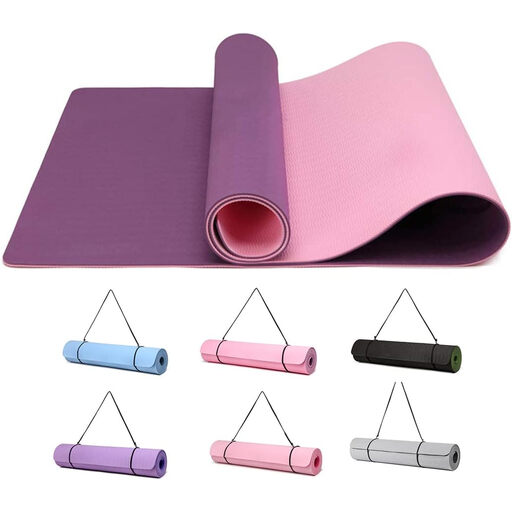
Why this fits the profile: This lightweight mat is suitable for yoga, Pilates, stretching and general exercises without having to buy a large piece of equipment.
The dimensions, thickness and weight are clearly stated. According to the product description, the mat has a two-layer non-slip structure and comes with a carry strap.
6 mm thick TPE, approximately 0.7 kg and suitable for various floors and types of exercise.
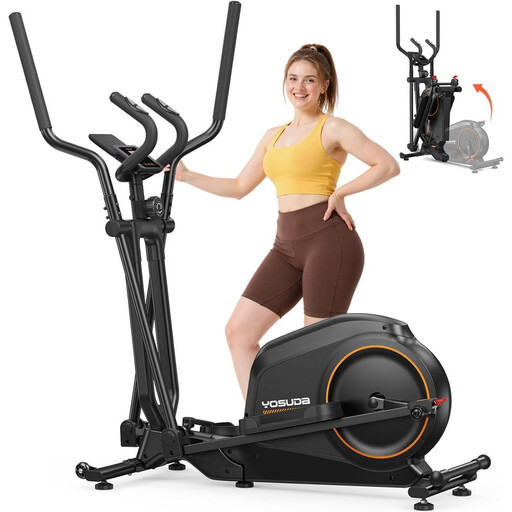
Why this fits the profile: A choice for anyone looking for cardio equipment with adjustable resistance, a display and a design that can be stored away after use.
The product information states 16 resistance levels, transport wheels and a folded footprint of approximately 0.2 m². Check beforehand whether the height in use suits your space.
38 cm stride length, non-slip pedals, LCD display and a magnetic resistance system.
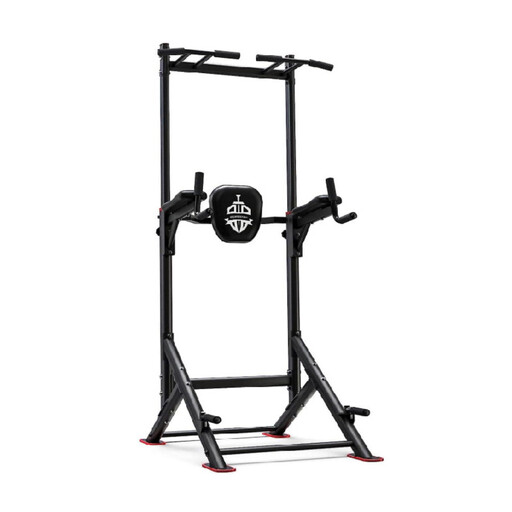
Why this fits the profile: This weight station solution is designed for pull-ups, dips, press-ups and leg or knee raises in a dedicated training space.
The product information states a maximum load of 204 kg, six height settings and a double triangle base. Place the tower on a level surface and check the locking mechanism.
Adjustable height from 178 to 235 cm, multiple grip positions and a steel frame with reinforcements.

Why this fits the profile: Suits home workers and flat-dwellers who want to combine walking training with limited storage space.
The stated dimensions are 120 x 57 x 14 cm and the walking pad has transport wheels. According to the product information, the noise level is 45 dB; the floor and speed can affect the experience.
Manual incline of 10%, speed up to 3.8 mph and a stated weight capacity of 300 lb.
We've put together a full, up-to-date list of products that fully meet these strict selection criteria and current European safety regulations.
A quick check can prevent many problems:
For fitness for beginners, a yoga mat, exercise bike or walking pad are low-barrier choices. Start with short sessions and choose a piece of equipment with clear controls and safety instructions. An adjustable weight bench or power tower is a better fit when you want to focus on home strength training.
Measure the space in use, including room to move around the equipment. For storage, foldable models are handy, but a cross trainer, treadmill or pull-up station needs more height and free space in use than the product dimensions alone suggest.
The running costs depend on the type of equipment. Mechanical items such as a weight bench, yoga mat or power tower use no electricity. Cardio equipment with a display or motor does use electricity. The consumption per session is not always listed in the product information, so check the power rating in the manual and multiply it by your local electricity rate.
