
Vandaag of morgen in huis

Kwaliteit gegarandeerd

Welkomstaanbiedingen ontgrendelen: GRATIS bezorging | Tot 80% korting | Gratis 30 dagen JoyPlus-proefperiode
Download de app
Setting up a home gym seems straightforward, until you have to choose between dumbbells, a rowing machine, a fitness mat and all kinds of training accessories. Product pages often focus on colour, versatility or a “professional” design. In practice, it’s the dimensions, materials, weight capacity and maintenance requirements that determine whether your home fitness equipment remains comfortable and safe to use.
Three common pitfalls are:
Use the product description as a starting point, but always check the technical details and safety instructions before ordering.
For strength training at home, the weight and how you can increase it are key considerations. A set with several light dumbbells, such as 1, 2 and 3 kg, is useful for warm-ups, light exercises and beginners. For progressive strength training, an adjustable dumbbell set can be more efficient, as it combines several weights in one compact set.
Check the difference between the total weight and the weight of each dumbbell. For example, a 10 kg set may contain two dumbbells, meaning the maximum weight in each hand is less than 10 kg. Also check whether the collars, connecting bars and weight plates need to be secured firmly.
The handle should suit both the exercise and the length of your workout. Neoprene generally feels soft and offers a comfortable grip for light to medium-weight exercises. Coated cast iron can be robust, but should be put down carefully to avoid damaging the floor or the equipment.
Details matter even more when it comes to lifting straps. Check the:
According to the product description, the Thor Athletics lifting straps have a cotton base, neoprene wrist padding, a rubber coating and reinforced stitching. The brand and product information says the extra coating is designed to increase friction against the bar. This is a product claim, not a guarantee for every user. According to the description, the straps are intended for strength training and not for Olympic weightlifting.
Measure your available space before buying large home fitness equipment. A rowing machine needs to fit not only when you’re using it, but also through doorways and under your ceiling, as well as in the place where you’ll store it. A foldable model can be handy in a flat, but check how heavy it is and whether it has transport wheels.
For a fitness mat, length, width and thickness are all relevant. A mat measuring 183 x 61 cm and 1.2 cm thick offers more cushioning for floor exercises than a thin 3 mm yoga mat. However, a thicker mat takes up more space and may feel less stable for standing balance poses.

Why it suits this profile: Three pairs of weights at 1, 2 and 3 kg offer a straightforward starting point for strength training at home, without the need to set up a large home gym straight away.
The weights are clearly marked and come with a stand. This keeps the set organised and makes it easy to see the weight you’re using for each exercise.
Cast-iron construction, neoprene coating, hexagonal shape and an included PP stand.
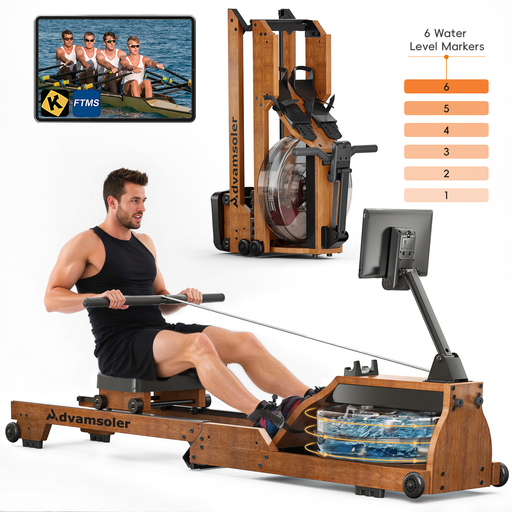
Why it suits this profile: This model is aimed at people looking for a more comprehensive cardio machine for regular use, which they can store neatly in their living space.
The product details list a 180° folding function, transport wheels and a maximum user weight of 150 kg. Be sure to check your available storage space beforehand.
FSC-certified oak according to the product description, six resistance levels, Bluetooth and support for the Kinomap app.
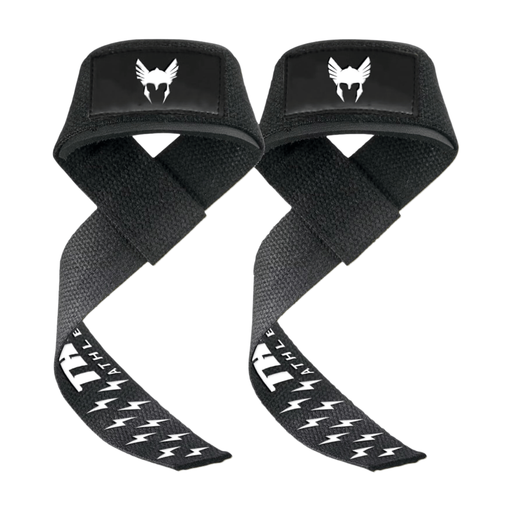
Why it suits this profile: These lifting straps are designed for heavy deadlifts, rows and other strength exercises where grip can be a limiting factor during a set.
The product description lists a rubber coating, neoprene wrist padding and reinforced stitching. Before each workout, check for fraying, loose stitching or peeling coating.
A pair of cotton straps, approximately 3.8 cm wide, with a rubber grip coating. The instructions specify hand washing and air drying.
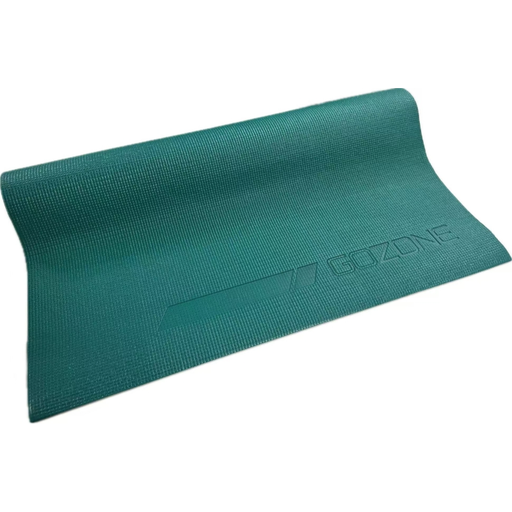
Why it suits this profile: This lightweight mat is suitable for yoga, Pilates, stretching and floor exercises, without taking up much storage space.
Its dimensions of 68 x 24 inches and thickness of 3 mm are clearly stated. This makes it easier to decide in advance whether the cushioning suits your exercises.
PVC material, textured surface and a design for yoga, Pilates and fitness on a flat surface.
A practical home gym doesn’t need to include lots of equipment from the outset. For a basic setup, consider:
If you want to combine different types of training, an adjustable set may also be worth considering. According to the product description, the 10 kg FEIERDUN set can be converted into dumbbells, a barbell, a kettlebell and a push-up stand. With systems like these, check that all the collars are secure and that your chosen configuration is complete before each session.
For floor exercises where you’d like extra cushioning, the 1.2 cm Capelli Sport Exercise Mat is a thicker alternative. If you’d prefer a more compact mat, a 3 mm model may be more practical.
We’ve put together a complete, up-to-date list of products that meet these strict selection criteria and the applicable European safety regulations.
A fitness mat and a pair of dumbbells are often enough for a simple home workout. You can add an adjustable set or a cardio machine later if your training goals change. Start by choosing equipment that suits your available space and the exercises you want to do.
Measure the machine’s full length when unfolded and leave enough room to get on and off and move around. Also check its folded dimensions, how it can be moved and the type of floor it will stand on. A foldable model takes up less storage space, but not necessarily less room when you’re working out.
Wipe away sweat after use, check bolts and fastenings regularly, and follow the manufacturer’s maintenance instructions. Clean mats with a mild cleaner and let them dry completely. According to the instructions provided, lifting straps can be hand-washed and should be left to air dry. Machine washing may damage the coating or alter their shape.
