
Vandaag of morgen in huis

Kwaliteit gegarandeerd

Welkomstaanbiedingen ontgrendelen: GRATIS bezorging | Tot 80% korting | Gratis 30 dagen JoyPlus-proefperiode
Download de app
Having your own workout space can be practical, but home fitness equipment takes up more room than you might expect. A weight bench, rowing machine or power tower may seem versatile on paper, yet the construction, dimensions or adjustment mechanisms can disappoint in daily use. If you only look at the price or maximum weight capacity beforehand, you risk making a poor purchase.
The most common pitfalls are:
For strength training at home, a stable frame is more important than a long list of features. Pay attention to the material used, the foot construction and the connections. Steel or alloy steel is commonly used for weight benches and power towers. Also check whether non-slip feet, wide supports or cross braces are present.
The weight capacity should always be considered in relation to your training. With a bench, it’s relevant whether the limit applies to body weight plus the weights. Do not use the equipment above the stated value and regularly check bolts, pins and welds.
Measure the available space before you order home gym equipment. A training bench around 117 cm deep can fit in a small room, but for dumbbell presses you also need room to lie down and stand up safely. With a power tower, you must also check the ceiling height.
Pay attention to:
A foldable rowing machine or adjustable dumbbells can be handy when you’re training in a flat.
An adjustable fitness bench must lock securely in every position. Check whether the product information clearly states how many positions are available and how the adjustment works. With a pull-up bar or dip station, height settings and handles are important for different users.
Assembly is required for almost all larger home fitness equipment. Read beforehand whether the product is delivered partially pre-assembled and whether you have enough space to lay the frame down. Clean metal parts with a soft cloth and check fixings regularly. Do not use equipment if parts are loose, damaged or incomplete.
The selection below is based on stated product specifications, features, dimensions and usage scenarios. Brand claims about comfort or performance are not presented as independently verified results.
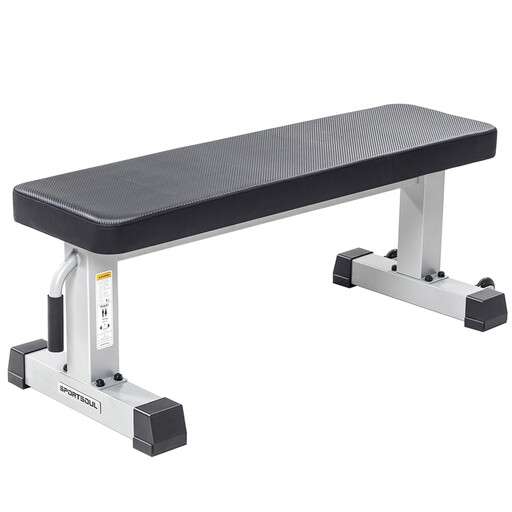
Why this fits the profile: This flat weight bench is suitable for basic exercises with dumbbells and a barbell, without extra mechanisms that take up space. The built-in wheels help you move it around the house.
The product information states a carbon steel frame, a maximum load of 610 lb and a wide seat. Check for yourself that all connections are tight before use.
Flat design measuring 117 x 48 x 43 cm, wheels for storage and a stated load capacity of up to 277 kg.
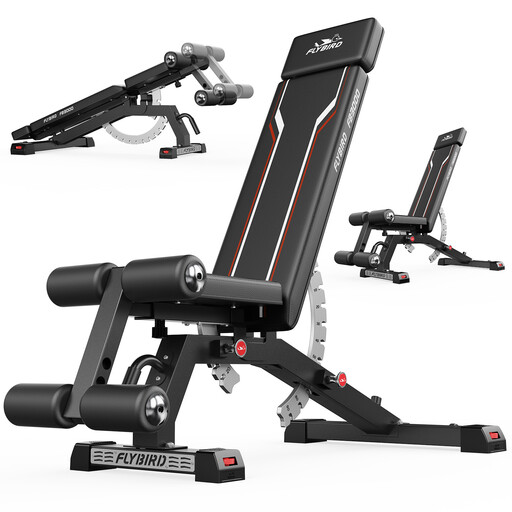
Why this fits the profile: If you perform different exercises, this adjustable fitness bench offers positions for flat, incline and decline. The design is foldable and, according to the product information, is delivered 80% pre-assembled.
The quick-adjust mechanism and foldable construction address two common problems: cumbersome switching and limited storage space. Lock every position before loading.
Flat, incline and decline positions; foldable frame and a stated maximum load of 544 kg.
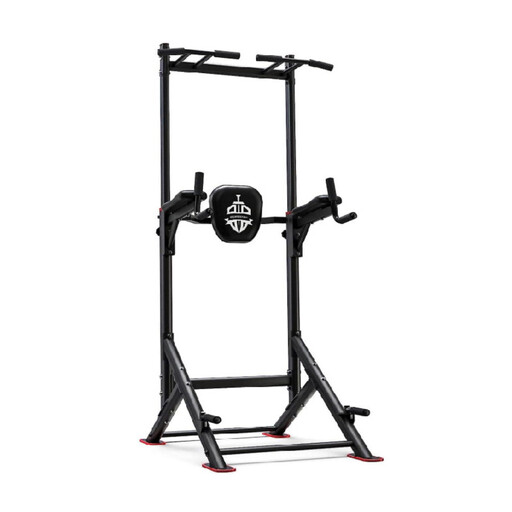
Why this fits the profile: This power tower focuses on bodyweight training with pull-ups, dips, push-ups and vertical knee raises. The height range of 178 to 235 cm makes measuring beforehand especially important.
The product information mentions a double triangular base, cross braces and three handle angles. Place the tower only on a level, stable surface.
Six height settings, wide and narrow grips and a stated maximum load of 204 kg.
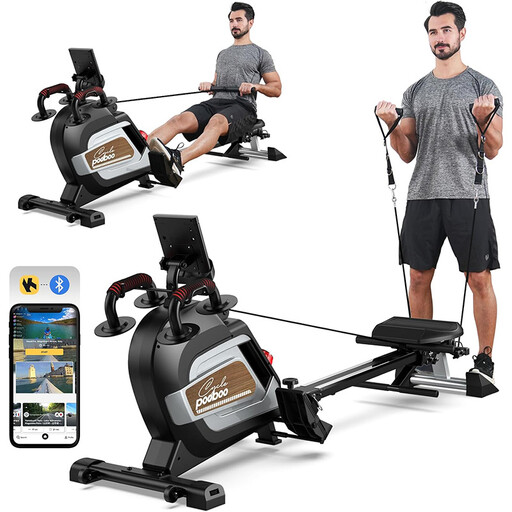
Why this fits the profile: A rowing machine combines pulling movement and cardio training in one piece of equipment. This model features magnetic resistance, 14 levels and a foldable design for storage.
The folding function limits the permanent floor space. The stated dimensions are 49 x 6.2 x 24.5 inches; also plan room for the full rowing motion.
14 resistance levels, LCD screen, tablet holder and a stated maximum load of 360 lb.
We’ve put together a full, up-to-date list of products that fully meet these strict selection criteria and comply with current European safety regulations.
Start with one piece of equipment that matches your training goal. For strength training at home, a flat or adjustable fitness bench with dumbbells is versatile. If you mainly want to do bodyweight exercises, look at a pull-up bar or power tower. A rowing machine is a better fit when you want to combine a full-body workout with resistance and cardio.
Don’t just measure the equipment itself. Allow extra space for laying down weights, adjusting a weight bench and full ranges of motion. With a power tower, you need to check the maximum height including a safety margin. For a rowing machine, you need room for the forward and backward movement, even if the model can be folded afterwards.
The lifespan depends on material, frequency of use, load, assembly and maintenance. Check bolts and adjustable parts regularly, remove sweat and moisture, and do not use equipment above its stated weight capacity. A product that is correctly assembled and stored dry will generally remain more usable than one that is constantly damp or overloaded.
