
Vandaag of morgen in huis

Kwaliteit gegarandeerd

Welkomstaanbiedingen ontgrendelen: GRATIS bezorging | Tot 80% korting | Gratis 30 dagen JoyPlus-proefperiode
Download de app
Working out at home sounds simple, until a machine takes up too much space, makes more noise than expected or barely gets used after a few weeks. When choosing home fitness equipment, it’s not just about speed, resistance or a low price. The dimensions, storage options, stability and type of workout all affect whether a purchase suits your home and routine.
A more powerful motor or a wide range of resistance levels doesn’t automatically mean a machine is suitable for everyday use. Check the maximum user weight, the size of the running surface or stride length, and how stable the frame is.
A narrow belt on a home treadmill may be fine for walking, but less comfortable if you jog regularly. With a home cross trainer, the stride length can affect how natural the movement feels.
Quiet fitness equipment still makes noise from movement, footsteps and vibrations through the floor. A machine with a magnetic resistance system may be relatively quiet according to the product description, but the actual noise level also depends on the floor surface, assembly and workout intensity.
It’s best to use a sturdy exercise mat. It may help prevent the machine from shifting and reduce vibrations travelling through the floor, but it’s no substitute for a stable position or regular maintenance.
A folding treadmill or cross trainer saves storage space, but often needs more room when in use. So measure:
If you’re using a fitness skipping rope, also check the ceiling height and look out for lights, furniture and delicate flooring. Working out outdoors may be more practical, but make sure the ground is level and clear of obstacles.
For a treadmill, both the overall size and the running surface matter. According to the product information, the KeHot YQ T3898 has a 38 × 100 cm running belt and a speed range of 1 to 12 km/u. This may suit walking and jogging at home, but if you have a longer stride, compare these measurements with your own running style.
For a cross trainer, the stride length is an important point to check. The YOSUDA model has a stride length of 38 cm and is described as suitable for users up to around 175 cm tall. This is useful information to compare in advance, but it doesn’t guarantee that the movement will feel the same for everyone.
Don’t just look at the maximum user weight; check the construction, anti-slip features and safety functions too. The KeHot treadmill has a stated maximum load of 150 kg and comes with a safety key. Always place the machine on a flat, stable surface and keep children away while it’s in use.
The YOSUDA model is listed as having large anti-slip pedals, transport wheels and a steel frame. After assembly, check that the bolts are secure and follow the instructions provided. Correct assembly matters more than a long list of workout settings.
If you live in a flat or want to work out early or late, consider the type of drive and how the machine makes contact with the floor. According to the product description, the YOSUDA cross trainer has a magnetic system and a noise level below 20 decibel. This is a stated product specification; the experience at home may vary depending on assembly, flooring and use.
If you’re looking for fitness equipment with apps, check in advance which apps are actually supported and what features are available. The KeHot treadmill lists compatibility with EQI SPORTS, Zwift and Kinomap, and supports Bluetooth for music. Before buying, check that the app you want works on your phone or tablet and whether a subscription is required.
The options below are matched to different types of user. Focus on comparing the objective specifications with your available space, how often you plan to train and the type of movement you prefer.
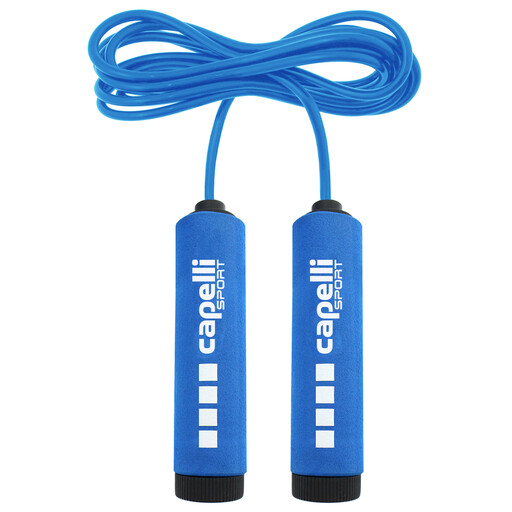
Why it suits this profile: This skipping rope takes up little storage space and doesn’t need to be plugged in. Its 9 ft length is adjustable, so beginners can set it to suit their height.
You don’t need to find space for a large machine or set up a dedicated workout area in advance. Just make sure you have enough headroom and a level surface.
PVC construction, adjustable length and foam-covered handles. Lightweight enough to take to the park or another workout spot.
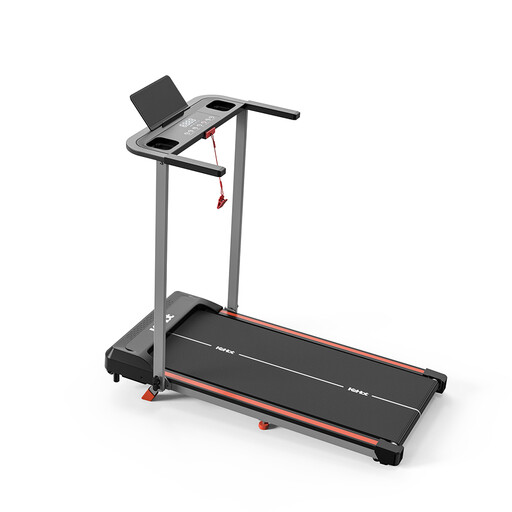
Why it suits this profile: This folding treadmill for home use combines walking and jogging with a manually adjustable incline. The LED screen displays time, distance, speed and calories.
The specifications include the running belt dimensions, speed, weight capacity and folding design. This makes it easier to judge in advance whether the machine will suit your space and how you plan to use it.
Speed range of 1–12 km/u, 9% manual incline, Bluetooth and support for EQI SPORTS, Zwift and Kinomap.
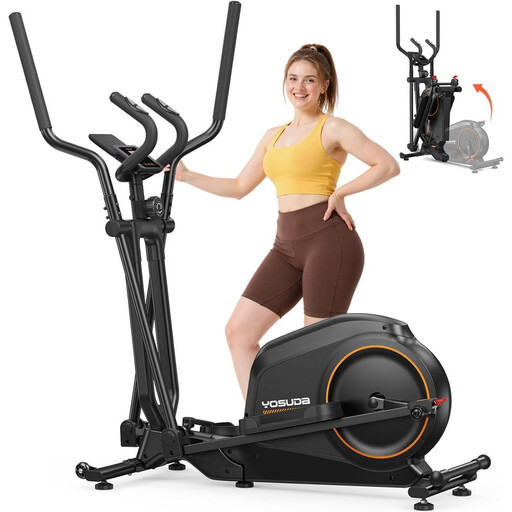
Why it suits this profile: This folding cross trainer is designed for users looking for an arm and leg workout without the movement of a treadmill. Its 16 resistance levels give you a range of settings for working out at home.
The product information lists a folding design, transport wheels, a stride length of 38 cm and a stated noise level below 20 decibel. Check in advance that the dimensions suit your height and available space.
16 resistance levels, an LCD display with six workout readings, anti-slip pedals and a folded footprint of around 0.2 m².
We’ve put together a complete, up-to-date list of products that meet these strict selection criteria and current European safety regulations.
A skipping rope takes up the least space, but you’ll need enough headroom and a safe floor. A folding treadmill or cross trainer may be more practical for regular workouts, as long as you check its dimensions both in use and in storage. Transport wheels make it easier to move, but also consider the machine’s weight.
A skipping rope doesn’t use electricity. For electric cardio equipment, energy use depends on the motor power, workout duration and intensity. Also check whether apps or interactive workout features require a paid subscription. Regular maintenance, such as checking bolts and cleaning moving parts, can help reduce unnecessary wear.
Lifespan varies depending on the equipment and how often you use it. Position equipment securely, follow the assembly and maintenance instructions, and don’t exceed the stated maximum load. Before each workout, check that cables, pedals, the running belt and fixings are still secure. This helps reduce the risk of problems during everyday use.
