
Vandaag of morgen in huis

Kwaliteit gegarandeerd

Welkomstaanbiedingen ontgrendelen: GRATIS bezorging | Tot 80% korting | Gratis 30 dagen JoyPlus-proefperiode
Download de app
Having your own EV charger at home is no longer a luxury, but a practical necessity for anyone who drives an electric vehicle. The convenience of charging overnight and starting the day with a full battery is undeniable. However, the market for an EV charger or wallbox is crowded and confusing. Marketing promises and technical specifications can be overwhelming, making it easy to make a poor purchase. Avoid falling into these common traps.
Pitfall 1: You pay for 'smart' features you don't use. A smart charger with an app sounds modern, but not all features are useful for home use. For example, access control with RFID cards is often redundant on a private driveway. You end up paying extra for a feature designed for public or shared charging points.
Pitfall 2: The charger is not compatible with your electrical panel. This is a costly mistake. You buy a powerful 3-phase charger (11kW or 22kW), but your home has a single-phase connection. This means the charger cannot operate at full power, or worse, your electrical panel will require an expensive upgrade. Always check your grid connection before choosing a car charging station.
You don't need to be an electrician to make a good choice. Focus on a few key points that determine whether a charger is right for your situation.
The charging power, expressed in kilowatts (kW), determines how quickly your car charges. This is directly linked to your electrical panel:
11kW charger is a popular choice here, capable of fully charging an average EV in 6-8 hours. A 22kW charger is even faster but requires a more substantial grid connection and is supported by fewer cars.Important: The maximum charging speed is also limited by your car's 'on-board charger'. A car that can only accept 7.4 kW will still charge at 7.4 kW, even when connected to an 11kW charger.
In Europe, the Type 2 charger (also known as a Mennekes plug) is the standard for AC charging. Virtually every modern electric car and plug-in hybrid is equipped with this. This makes it a simple choice: always opt for a charging station with a Type 2 connection to ensure compatibility.
If there's one smart feature worth considering, it's Dynamic Load Balancing (DLB). A charger with DLB continuously measures the total electricity consumption in your home. If you turn on the washing machine or oven, the charger temporarily reduces the power going to the car to prevent overloading your main circuit breaker. This ensures safe and efficient home EV charging without tripping the breaker.
Based on these criteria, we have selected a number of chargers that suit different user profiles.

Why This Fits Their Persona: Ideal for EV drivers with a single-phase connection who need a reliable and safe charging solution without unnecessary extras. Perfect for overnight charging of both PHEVs and fully electric cars.
This model focuses on the core function: safe and efficient charging. You don't pay for complex app features or RFID readers that you don't need on a private driveway.
Offers a solid 7.4 kW charging capacity on a single-phase connection. The construction is robust and waterproof (IP65), suitable for outdoor use.
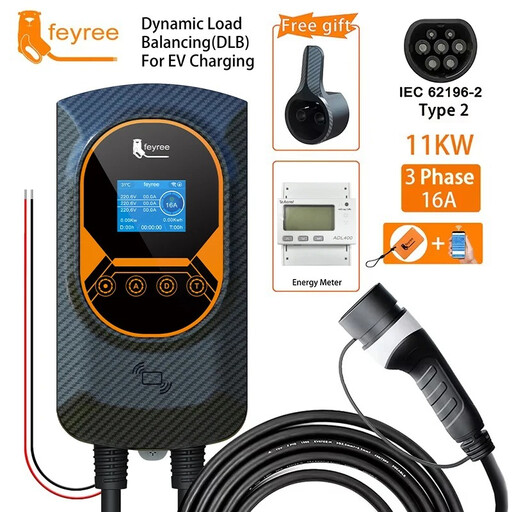
Why This Fits Their Persona: For the user with a 3-phase connection who wants control over their energy consumption. The Dynamic Load Balancing feature is essential for keeping the home's electrical grid stable, even when other large appliances are running.
The 'smart' feature here isn't a gimmick but a crucial tool. DLB actively prevents overloads and ensures you get the most out of your 3-phase connection without any risks.
Combines a powerful 11kW charger with Dynamic Load Balancing and app control for scheduling charging sessions during off-peak hours.
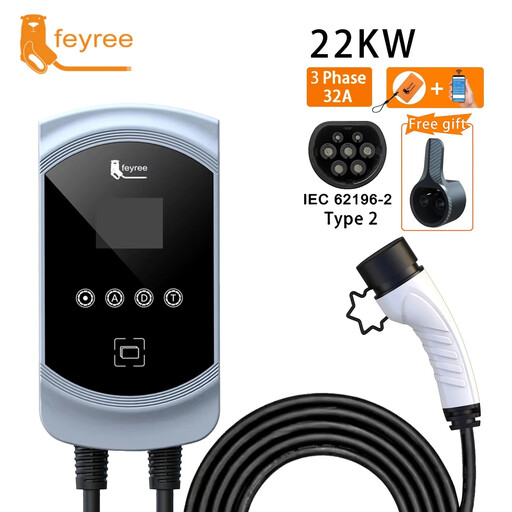
Why This Fits Their Persona: For those who want maximum charging power and want to be prepared for the future. Suitable for households with a heavy-duty 3-phase connection and cars that support 22kW AC charging.
This is a deliberate choice for maximum power. It prevents the disappointment of a charger that's too slow when you purchase a car with a larger charging capacity in the future.
Offers the highest possible AC charging power (22 kW) for home use. Fully manageable via the app, including adjusting amperage and scheduling charging sessions.
We have compiled a complete, up-to-date list of products that meet these selection criteria and relevant safety standards.
A single-phase charger uses one power wire and typically delivers 3.7 kW to 7.4 kW. A 3-phase charger uses three power wires and delivers 11 kW or 22 kW, resulting in a significantly shorter charging time. The choice depends on the connection in your electrical panel and your car's charging capacity.
For a charger on private property (driveway, garage), a permit is generally not required. However, the installation must comply with local electrical codes and should preferably be carried out by a certified installer. If you want to place the charger on public land, such as the pavement in front of your house, a permit from the local municipality will be required.
Dynamic Load Balancing (DLB) is a technology that automatically adjusts the car's charging power based on the total electricity consumption in the house. If you are using a lot of power (for example, by cooking and doing laundry at the same time), the charger reduces the charging speed to prevent an overload. It is highly recommended if you have a powerful charger (7.4 kW or more) and want to avoid tripping your main circuit breaker.
