
Vandaag of morgen in huis

Kwaliteit gegarandeerd

Welkomstaanbiedingen ontgrendelen: GRATIS bezorging | Tot 80% korting | Gratis 30 dagen JoyPlus-proefperiode
Download de app
Having your own EV charger at home is no longer a luxury, but a practical necessity for any electric vehicle owner. The convenience of starting your day with a full battery is priceless. However, the search for the right charger is riddled with pitfalls. Many buyers fall for marketing hype and end up with a charger that's too expensive, too slow, or unsafe for their setup. Before you make a decision, it's crucial to understand the most common mistakes.
The 3 pitfalls of choosing an EV charger:
You don't need to be a technician to make the right choice. Focus on a few key specifications that determine if a charger is suitable for your car and home.
The charging power, expressed in kilowatts (kW), determines the charging speed. This depends on the electrical connection in your home's electrical panel.
Important: The maximum charging speed is always determined by the weakest link: your electrical panel, the charging station, or your car's internal on-board charger. Always check your vehicle's maximum AC charging capacity.
A smart EV charger is an investment that pays for itself. The two most important features are:
The final choice is between a fixed and a portable model.
Based on these criteria, we've selected several chargers that fit specific needs and situations.
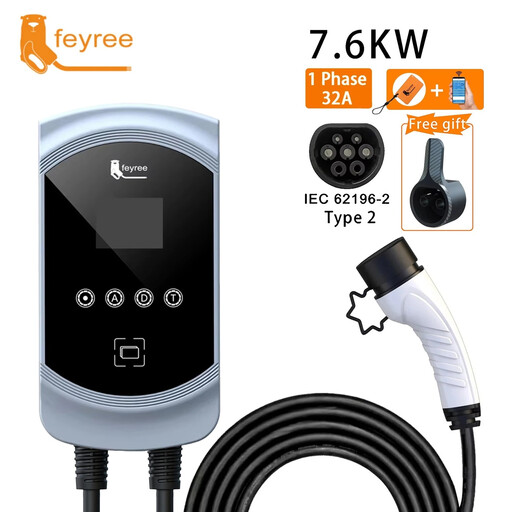
Why This Fits Their Persona: Perfect for owners of a plug-in hybrid or a first-time EV with a single-phase connection at home. This wallbox offers the reliability of a fixed installation and the smart features to manage charging costs, without the investment of a three-phase upgrade.
Prevents overpaying for unnecessary power (Pitfall 1) and offers smart scheduling via the app to avoid high electricity costs (Pitfall 2).
App control for scheduling and power adjustment in an affordable single-phase package. Includes RFID cards for access control.
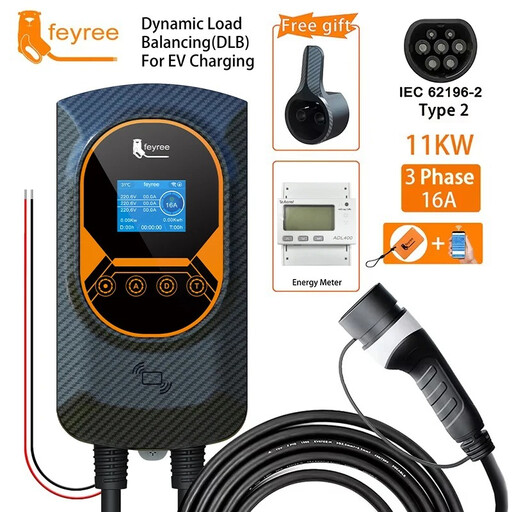
Why This Fits Their Persona: For the busy household with an all-electric car and a three-phase connection. This charger ensures the car charges efficiently without overloading the electrical system, even when the rest of the house is drawing significant power. Safety and convenience are paramount.
The built-in Dynamic Load Balancing is the direct solution to the 'dumb charger' problem (Pitfall 2). The 11kW power output is a realistic and efficient choice for most three-phase households, avoiding Pitfall 1.
Worry-free charging thanks to Dynamic Load Balancing. The 11kW power output is an efficient match for most modern EVs and residential connections.

Why This Fits Their Persona: Ideal for those who can't or don't want to drill into walls, such as renters or company car users. This powerful portable charger offers the speed of an 11kW wallbox in a portable package. Take it to your holiday home or workplace and charge anywhere a CEE industrial socket is available.
Provides a powerful and smart solution without the permanent installation of a wallbox. This bypasses the 'wrong type' pitfall (Pitfall 3) for those who need maximum flexibility.
Combines the power of an 11kW 3-phase charger with the flexibility of a portable EV charger. Includes Wi-Fi app control for smart remote charging.
We have compiled a complete, up-to-date list of products that meet these strict selection criteria and safety standards.
Installation costs vary. The price depends on the complexity of the job. Factors include the distance from your electrical panel to the charging point and whether modifications to the panel are needed, such as adding a new residual-current device (RCD) or upgrading to a three-phase connection. It is mandatory to have a fixed wallbox installed by a certified electrician.
In Europe, the Type 2 charging cable (also known as Mennekes) is the standard for AC charging. Virtually all modern electric cars and charging stations use this connector. So, you generally don't need to worry about the plug. What you do need to pay attention to is matching the charger's power output to what your car can handle. A car with a maximum charging capacity of 11kW will still only charge at 11kW on a 22kW station.
It is highly recommended, especially if you are installing a three-phase charger of 11kW or more. Without this feature, you risk tripping your main circuit breaker if you charge your car while other high-consumption appliances (like an electric stove, oven, or heat pump) are running. An EV charger with dynamic load balancing prevents this and ensures a safe, worry-free charging experience. For a lower-power, single-phase charger, it's less critical but still a useful feature for added peace of mind.
