
Vandaag of morgen in huis

Kwaliteit gegarandeerd

Welkomstaanbiedingen ontgrendelen: GRATIS bezorging | Tot 80% korting | Gratis 30 dagen JoyPlus-proefperiode
Download de app
A dedicated home charging station is no longer a luxury, but a smart investment for every electric car owner. The convenience of charging overnight and starting your day with a full battery is invaluable. But the market for an electric car charger is vast and complex. The wrong choice can lead to slow charging sessions, unexpectedly high energy bills, or even unsafe conditions.
As a Joybuy Product Recommendation Officer, I'm here to help you make the right choices. We'll look past the marketing jargon and focus on what truly matters. In this guide, we'll discuss the most common pitfalls and the specifications you need to check before you buy a charging station.
Many buyers make the same mistakes, driven by incomplete information or promises that sound too good to be true. Recognise and avoid these common errors.
smart charger with app control gives you the power to charge when electricity is cheapest.11kW charger or even a 22kW one is of little use if your car can't accept that power or your fuse box can't support it.charger with load balancing continuously measures the total power consumption in your home and automatically adjusts the car's charging power. This prevents overloading your electrical grid and is a crucial safety feature.To avoid the pitfalls mentioned above, there are a few technical specifications you need to understand. We'll keep it simple.
The speed at which your car charges is expressed in kilowatts (kW). Most home chargers come in three main varieties:
3-phase charger charges significantly faster than a 1-phase model and is future-proof. Do check if you have or can get a 3-phase connection in your fuse box.Practical tip: Check your car's maximum AC charging power in the manual. Base your choice of wallbox on this, with an 11 kW 3-phase model being a solid, future-proof option.
A smart charger has become the standard. Look for these two features:
Not all chargers are created equal. We've selected a few models that suit different user profiles and effectively address the pitfalls mentioned earlier.
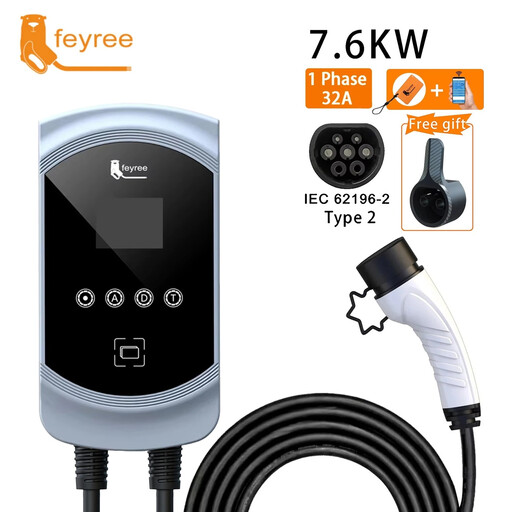
Why This Fits Their Persona: Ideal for homeowners with a 1-phase connection and an electric car that can charge up to 7.4 kW. It offers a solid charging speed for daily use without a complex installation.
This is not a 'dumb' charger. Via the Tuya Smart App, you can schedule charging sessions to take advantage of off-peak rates, thus avoiding the pitfall of unnecessarily high costs.
Adjustable charging current: Adjust the current (from 8A to 32A) via the app to prevent overload. Wi-Fi connectivity: Full remote control and monitoring.
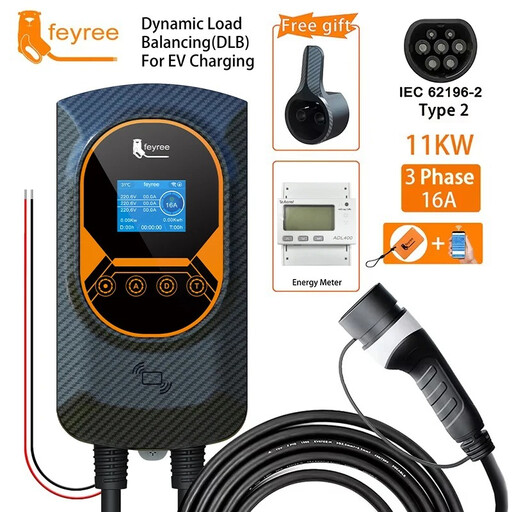
Why This Fits Their Persona: Perfect for those who want to get the most out of their 3-phase connection without any risks. This user wants control, safety, and optimisation of their home's energy consumption.
The built-in Dynamic Load Balancing (DLB) feature is the direct solution to the overload pitfall. The charging station communicates with your fuse box to ensure the main circuit is never overloaded.
Fully automated power distribution: No manual adjustments needed. IP66 rating: Excellent protection against water and dust, suitable for outdoor use.
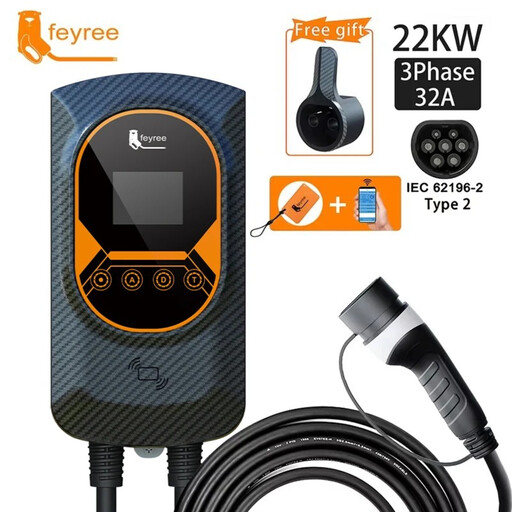
Why This Fits Their Persona: For the EV driver with a car that supports 22 kW AC charging, or for those who want to be prepared for a future car with higher charging capacity. This is for maximum home charging speed.
This model tackles the 'insufficient charging power' pitfall head-on. It offers the maximum AC charging power currently possible at home, ensuring you never have to wait too long.
Maximum power: Charges compatible cars extremely quickly. Full smart features: Includes app control, scheduling, and adjustable current for flexibility.
We have compiled a complete, up-to-date list of products that fully meet these strict selection criteria and safety standards.
1. Can I install a home EV charger myself? No, installing a home charger is a job for a certified electrician. It requires modifications to your fuse box and knowledge of applicable electrical codes (like the NEN 1010 in the Netherlands). DIY installation is dangerous and can lead to issues with your insurance.
2. How much does a home charging station cost? The total cost consists of the purchase of the wallbox itself and the installation fees. The price of a charging station varies based on power and features. Installation costs depend on the complexity of the job, such as the distance from the fuse box to the charger and any necessary upgrades to the fuse box. Always request a detailed quote from the installer.
3. Do I need a 1-phase or 3-phase charger? This depends on two things: the connection in your fuse box and your car's maximum charging capacity. If you have a 1-phase connection, a 1-phase charger is your only option (unless you upgrade your connection). If you have a 3-phase connection and a car that supports it, a 3-phase charger (like an 11kW charger) is the recommended choice for a noticeably faster charging time.
