
Vandaag of morgen in huis

Kwaliteit gegarandeerd

Welkomstaanbiedingen ontgrendelen: GRATIS bezorging | Tot 80% korting | Gratis 30 dagen JoyPlus-proefperiode
Download de app
The right appliance can save time, but only if it suits your home and cleaning routine. A flat with hard floors calls for something different from a family home with carpets, pets and high windows. When it comes to home cleaning appliances, it is therefore not just about high suction power or a long list of features.
The biggest purchasing mistakes usually stem from three recurring pitfalls:
Below, you will find out which specifications matter and which type of appliance is right for different households.
Start with the cleaning task, not the brand. This breakdown can help:
A dishwasher is also a household cleaning appliance, but its key considerations are niche dimensions, capacity, noise level and energy consumption.
Manufacturers often state suction power in Pa, or sometimes in kPa. According to the product description, for example, the JONR T5 Pro delivers up to 8,150 Pa, while the MONSGA UV5 stick vacuum lists a peak value of 60 kPa. These figures come from different product categories and measurement contexts. Do not therefore compare them directly without further consideration.
Also pay attention to:
For pet hair, an anti-tangle or anti-wrap brush is useful. According to the MONSGA UV5 product information, the brush helps reduce hair getting caught. This remains a claim from the product description, so also check whether the brush is easy to remove.
A cordless stick vacuum with a stated runtime of up to 65 minutes will not necessarily run for 65 minutes on the highest setting. Always check whether the manufacturer links the maximum runtime to a particular mode.
For robot vacuums, the following features are important:
With a steam cleaner, look at tank capacity, heat-up time and pressure. The MONSGA steam cleaner lists 1.6 litres, an approximate heat-up time of 15 seconds and a maximum of 3 bar, according to the product description. Use only water as instructed. Among other things, the manufacturer warns against putting cleaning products in the tank and steaming directly onto cold glass.
A robot vacuum with LiDAR navigation can create a map of your home, but you need to prepare properly for the first run. Open internal doors, remove small objects and check that the charging station has enough free space around it.
Safety is even more important with window-cleaning robots. According to the product information, PuRuiKai models must remain connected to a power supply while in use and require a safety cord. The internal battery is intended as protection in the event of a power cut, not as a standard cordless power source. Only use these appliances on suitable, smooth surfaces and stay nearby.
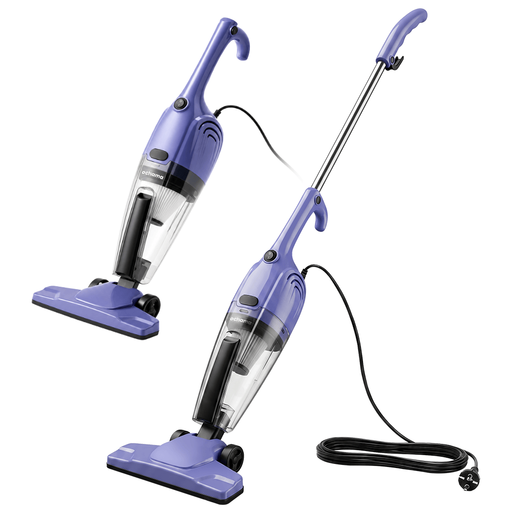
Why it suits this profile: This model is suitable for smaller homes and for anyone looking for a simple appliance for hard floors and hard-to-reach areas.
It does not rely on a battery: the 4.5-metre cable provides a constant power supply while you clean.
550 W motor, visible 0.5-litre dustbin, washable filter, and use as either a stick or handheld vacuum.

Why it suits this profile: Ideal for households that want to automate most of their floor care and are willing to make room for an advanced station.
The product description mentions automatic dust emptying, mop washing with 75 °C water, warm-air drying and multi-floor map management.
Stated suction power of 20,000 Pa, automatic carpet detection, edge cleaning and app control.
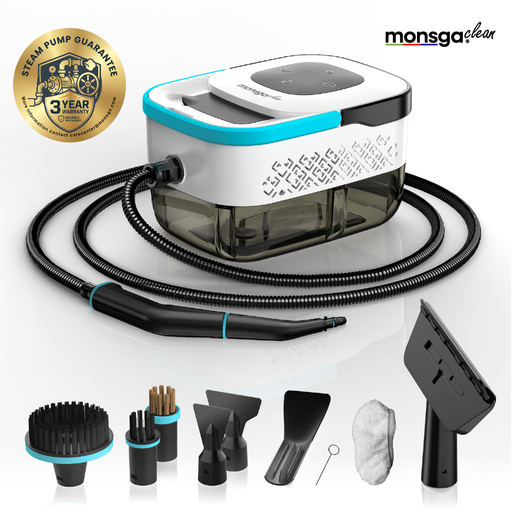
Why it suits this profile: Useful for households that regularly clean grout, kitchen surfaces, hard floors or car interiors.
The six steam settings allow you to adjust the intensity, but test sensitive surfaces first and let accessories cool before changing them.
1.6-litre tank, stated heat-up time of 15 seconds, six settings and an accessory set with ten pieces.
We have compiled a complete, up-to-date list of products that fully meet these strict selection criteria and the applicable European safety regulations.
Check the following before ordering:
For appliances that use water, such as a mopping robot or carpet cleaner, the clean- and dirty-water tanks must be positioned correctly. This helps reduce the risk of leaks and unnecessary damage to floors.
A stick vacuum or robot vacuum with a brush that is less likely to become clogged with hair is a practical choice. Also look for an easily accessible dustbin, washable or replaceable filters and a separate carpet mode. A high Pa rating alone does not say enough about how well an appliance picks up pet hair.
Lifespan depends on how frequently the appliance is used, maintenance, storage and the availability of spare parts. Clean filters according to the instructions, remove hair from brushes and allow water tanks to dry after use. On robot models, the charging contacts and sensors require particular attention.
Consumption varies by appliance and programme. A robot vacuum uses electricity while charging and cleaning, while a steam cleaner mainly draws more power during heating and steaming. Compare the stated power, operating time and how often you expect to use the appliance.
