
Vandaag of morgen in huis

Kwaliteit gegarandeerd

Welkomstaanbiedingen ontgrendelen: GRATIS bezorging | Tot 80% korting | Gratis 30 dagen JoyPlus-proefperiode
Download de app
Charging an electric car at a public station is practical for on-the-go, but the convenience and lower costs of home charging are undeniable. With your own home charging station, you start every day with a full battery, without being dependent on available spots or variable rates. But when choosing a charging station for your electric car, pitfalls lurk that can unnecessarily drive up costs. We'll discuss the most common mistakes and help you make the right choice.
The market for EV chargers is vast, and the specifications can be confusing. Many buyers fall into two specific traps, causing them to either overpay for features they can't use or regret a purchase that is too limited.
home charging costs and less convenience.To avoid a bad purchase, it's crucial to check three technical aspects before you buy a wallbox. These determine performance, compatibility, and safety.
The charging power, expressed in kilowatts (kW), determines how quickly your car charges. This is directly related to the electrical connection in your home.
Always check two things: your car's maximum AC charging power and the type of connection in your electrical panel.
In Europe, the Type 2 EV charger (also known as the Mennekes plug) is the universal standard for AC charging. Virtually every modern electric car and every home charger is equipped with it. This is a simple but crucial check: ensure the charging station has a Type 2 connection to guarantee compatibility with your current and future cars.
A smart charging station communicates via Wi-Fi or Bluetooth with an app on your smartphone. This offers significant advantages:
home charging costs.Based on these criteria, we have selected a number of charging stations that suit different user profiles and avoid the pitfalls mentioned earlier.
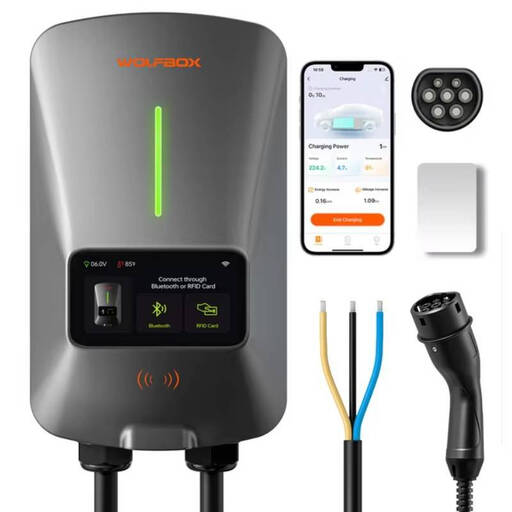
Why This Fits Their Persona: Ideal for PHEV drivers or EV owners with a smaller battery who charge their car overnight. This power level is more than enough to fully charge the battery overnight for the daily commute, without needing an expensive 3-phase connection.
You don't pay for excessive charging power you don't need. This charger offers smart features via app and RFID, helping you avoid the "dumb" charger mistake.
Cost-effective 1-phase solution with full smart functionality (app control, RFID). Simpler installation on a standard home connection.
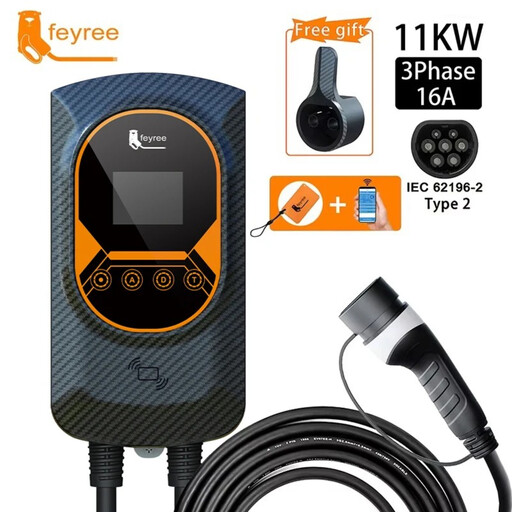
Why This Fits Their Persona: This is the sweet spot for most all-electric car owners. An 11kW charger is significantly faster than a 1-phase charger and is compatible with most modern EVs. It's a solid investment for now and the future.
You choose a charging power that perfectly matches the capacity of most EVs, without overpaying for a 22kW charger that your car may not support. The smart features ensure cost savings.
Excellent balance between charging speed and installation costs. Full control via the Tuya Smart app for remote scheduling and monitoring.
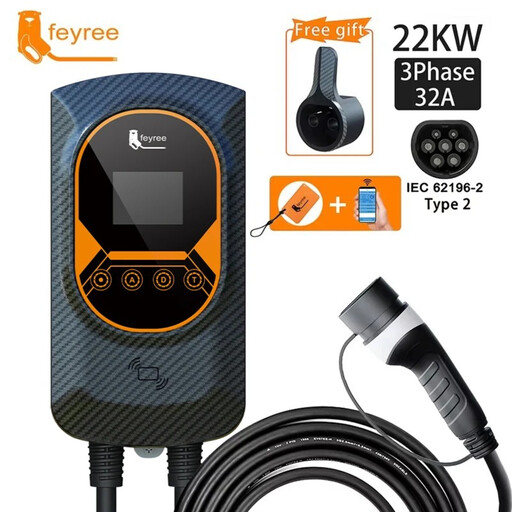
Why This Fits Their Persona: For those who want to get the most out of home charging. If you have an EV that supports 22kW AC charging (like some models from Renault, Audi, or Porsche) and a suitable 3-phase connection, this charger significantly reduces charging time.
This is a conscious choice for maximum power, not a blind guess. The smart features ensure you maintain control over the high charging speed and the associated costs.
Maximum AC charging power for the fastest possible home charging sessions. Fully adjustable current level (from 8A to 32A) via the app for flexibility.
We have compiled a complete, up-to-date list of products that fully meet these strict selection criteria and Dutch safety regulations.
The cost of a home charging station consists of two parts: the purchase of the wallbox itself and the installation costs. A charging station typically costs between €400 and €1,200, depending on the power and smart features. Installation costs vary widely, usually between €500 and €2,000. This depends on the complexity, the distance from the electrical panel to the charging station, and whether an upgrade to a 3-phase connection is required.
This depends on three factors:
No, installing a charging station is not a DIY job. It involves working on a high-power electrical installation. According to Dutch law and regulations (NEN 1010), this must always be carried out by a certified and qualified electrician. This is essential for safety, the product's warranty, and your insurance coverage.
