What should you look for when choosing?
Start by distinguishing between allergens and dietary claims. Then check the exact product variant, its form and the storage instructions.
| What to consider |
What to look for |
Who is this important for? |
| Allergens and cross-contamination |
Check the ingredients and allergen warnings for the exact variant. Assess the possibility of cross-contamination in line with individual medical advice. |
If your child needs to avoid peanuts or tree nuts, you’ll want to check both the ingredients and the warnings. Around 39% of consumers prioritise avoiding a relevant allergen. |
| Gluten or lactose claim |
Look for the relevant claim on the exact variant, and also check the ingredients and allergen information. |
If you avoid gluten or lactose but can eat nuts, you’ll need a product with a specific dietary claim. A lactose-free claim doesn’t tell you whether a product is suitable for someone with a milk allergy. Around 23% of consumers prioritise a specific dietary claim. |
| Part of the lunch |
Consider the snack alongside the rest of the lunch, rather than focusing only on a claim such as unsalted. |
If there’s no overriding allergy or specific dietary restriction, you’ll want to know how the snack fits into your everyday food choices. Around 15% of consumers prioritise this aspect of their diet. |
| Shape and texture |
Choose a shape that suits your child’s age and ability to chew. Make sure they sit calmly while eating. |
When choosing a snack for a young child, consider its shape and how your child can eat it. A dietary claim doesn’t remove the risk of choking. Around 15% of consumers prioritise food texture and choking prevention. |
| Taking it with you and storage |
Check the use-by date and follow the storage instructions on the packaging, including after opening. |
If the snack is coming along for a holiday lunch, you’ll want to know how to store it after opening. Around 8% of consumers prioritise portability and storage. |
Joybuy products
This selection includes peanuts, nuts, chestnuts and an okra-based snack. If you have a dietary restriction or allergy, always check the ingredients and warnings on the exact pack. A dietary claim isn’t a general claim that a product is free from allergens.
 Image unavailable
g'woon unsalted peanuts 250 g
Only a suitable choice if peanuts are part of your diet; the product may also contain cashews.
Ingredients: 99% peanuts and sunflower oil. The product name states that they are unsalted.
View at Joybuy
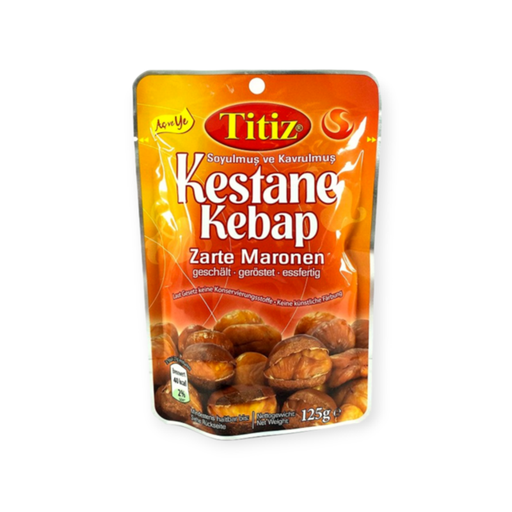 Image unavailable
Titiz roasted chestnuts 125 g
The product description says these peeled, cooked chestnuts are ready to eat. Choose them only if chestnuts are suitable for you.
Ingredients: 100% chestnuts. The description states that the product is vegan and gluten-free.
View at Joybuy
 Image unavailable
Anatolia Badem Natural (almond) 500 gr
An almond snack, suitable only if almonds are part of your diet.
Ingredients: 100% almonds. The product description states that no salt has been added.
View at Joybuy
 Image unavailable
g'woon roasted unsalted cashews 200 g
Only a suitable choice if cashews and the listed tree nuts are part of your diet.
The product name states that the cashews are roasted and unsalted; the product description lists cashews as an ingredient.
View at Joybuy
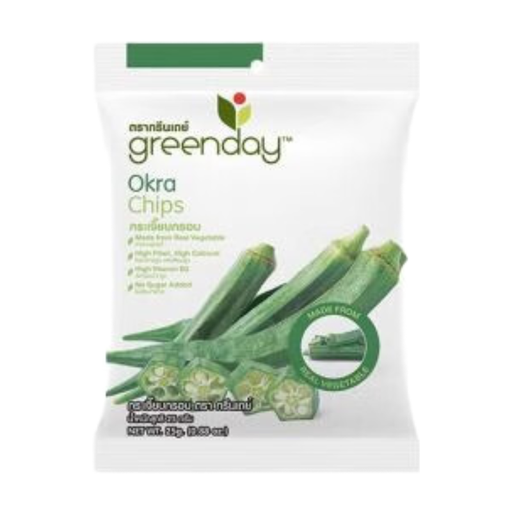 Image unavailable
Okra Chips 25 g
A snack outside the nut category. If you have an allergy, check the warnings on the exact pack too.
The product description lists 98% okra and 2% rice bran oil, and states that the product is gluten-free.
View at Joybuy
Frequently asked questions
Why should I check peanuts separately from tree nuts?
Peanuts and tree nuts are different allergens and are listed separately. Check both if your child needs to avoid both.
Does lactose-free mean suitable for someone with a milk allergy?
No. Lactose intolerance relates to milk sugar; with a cow’s milk allergy, the immune system reacts to milk proteins. So a lactose-free claim doesn’t tell you whether a product is suitable for someone with a milk allergy.
What allergen information must appear on a prepacked product?
In the Netherlands, allergen information for prepacked products must appear on the label. According to the NVWA, new Dutch rules on warnings about possible cross-contamination have also applied since 1 January 2026; precautionary allergen labelling (PAL) is based on a risk assessment.
How should I give nuts to a young child?
Don’t give whole nuts or peanuts to children under 4. If those particular allergens are safe for your child to eat, the Dutch Nutrition Centre recommends ground nuts or nut butter. Make sure your child sits calmly while eating, and consider the snack’s texture.
How should I store the rice cakes reviewed after opening?
After opening, store AH Thick Rice Cakes with No Added Salt in a sealed container. For other snacks, follow the storage instructions on their packaging.


