What should you look for in rusks and chocolate sprinkles?
First choose a rusk that suits the people eating it, then decide how much choice you want in the chocolate sprinkles and check the label on both products. When breakfast supplies are shared in a holiday home, different shoppers may have different priorities.
| What to consider |
What to check when buying |
Who it matters to |
| Flavour variety |
Check which flavours are included in a selection and how many individual portions are in the pack. |
If breakfast eaters have different preferences, I want to offer a choice without opening several large packs. For around 37% of consumers, flavour variety comes first. |
| Wholemeal base |
Check that the pack is labelled wholemeal and compare fibre per 100 g across specific rusk products. |
If you like wholemeal rusks, you’ll want to have that option, even if others prefer a plainer texture. Around 27% of consumers prioritise a wholemeal base. |
| Labelling and storage |
Read the allergen information and storage instructions on both packs. |
If guests need to avoid certain ingredients, I want to be able to check both labels and keep opened packs in good condition. For around 18% of consumers, this is their main concern. |
| Sweet topping |
Compare sugars and saturates per 100 g and, where listed, per portion. |
If I choose chocolate sprinkles as a sweet topping, I want to know how much I’m using and what the nutritional information says. For around 18% of consumers, this is a priority. |
Rusks and chocolate sprinkles at Joybuy
These products are separate items for a holiday breakfast: choose rusks to suit the people eating them, then add chocolate sprinkles separately to taste. None of these packs contains a complete combination of rusks and chocolate sprinkles.
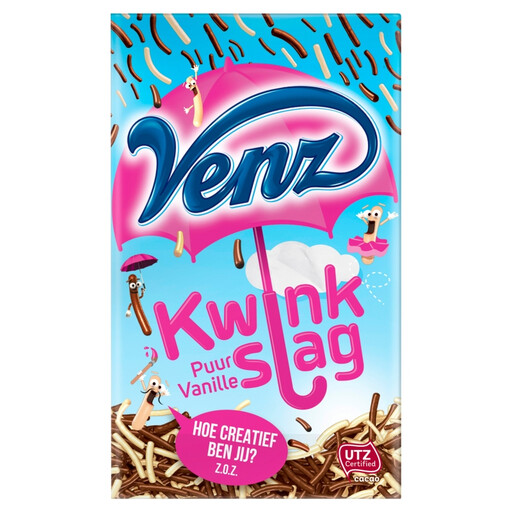 Image unavailable
Venz chocolate and vanilla-flavoured chocolate sprinkles, 400 g
A good option for breakfast supplies when a choice of two flavours is welcome; choose your rusks separately. The product information lists milk, soya and wheat. If you have allergies, check the current pack.
View on Joybuy
 Image unavailable
Bolletje dark wholemeal rusks, 10 pieces
A rusk base for guests who prefer wholemeal; add chocolate sprinkles separately. Check the current pack for allergens, including the listed wheat, oats, barley and sesame, and bear in mind the coarser texture.
View on Joybuy
 Image unavailable
De Ruijter Intense Pure chocolate sprinkles, 200 g
A topping for anyone looking for a dark chocolate flavour; rusks are not included in this pack. If you have allergies, it’s important to check the current pack: the product information lists milk, soya and lactose.
View on Joybuy
 Image unavailable
Bolletje wholemeal rusks, 13 pieces
A wholemeal base to pair with your choice of chocolate sprinkles. Compare fibre content using the same unit of measurement on each pack. Also check the allergen information, including the listings for wheat, egg and possibly sesame.
View on Joybuy
Frequently asked questions
Which rusks should I serve to a group with different preferences?
Pair wholemeal rusks with a plainer variety if not everyone enjoys the same texture. Compare the ingredients and fibre per 100 g on the packs; the wholemeal examples described by Albert Heijn list 9 g and 10 g of fibre per 100 g.
Which allergens should I check in rusks with chocolate sprinkles?
Read the label on the rusks and the chocolate sprinkles separately. The products described by Albert Heijn include egg, cereals containing gluten, wheat, sesame, milk and soya, among other ingredients; the relevant listings depend on the variants you choose.
How do I keep rusks and chocolate sprinkles fresh during a stay?
Store rusks in a dry place and seal an opened pack securely. The chocolate sprinkles packs described advise storing them in a cool, dry place; also follow the use-by dates and storage instructions for the products you actually take with you.
Do Dutch rusks always contain iodine from baker’s salt?
No, you can’t tell from the name ‘rusks’. According to the Netherlands Nutrition Centre, bakers are not required to use baker’s salt; check the label on the rusks you choose if this matters to your purchase.
Does dark chocolate sprinkle topping mean it contains little sugar?
No, ‘dark’ on its own doesn’t tell you how much sugar a product contains. Venz Hagelslag puur, as described by Albert Heijn, lists 65 g of sugars per 100 g. So compare the nutritional information for the specific chocolate sprinkles you want to buy.


