What should you look for when buying?
Portable induction hob
Suitable for: an induction-compatible pan with a base that falls within the cooking zone’s range. Milieu Centraal describes induction as easy to control.
Bear in mind: settings, timers and keep-warm functions don’t prove how gently a small pan of soup will actually simmer.
Conventional electric hotplate
Suitable for: anyone who wants to use a small pan that isn’t suitable for induction. Tristar lists a 15 cm cast-iron cooking zone and five settings for the KP-6185.
Bear in mind: a setting isn’t a measured soup temperature; check while cooking that the soup isn’t bubbling too vigorously.
Ceramic hob
Suitable for: anyone looking for a smooth electric hob without induction, provided a specific model suits the pan and the space available.
Bear in mind: ceramic uses a different heating method from induction; check the product information for the exact model.
First compare pan compatibility and where you’ll place the hob, then look at the controls. The percentages below indicate which concerns may matter most to consumers when making this choice.
| Buying concern |
What to look for |
Who should give this more weight? |
| Gentle simmering |
Check whether there’s an independent simmering test for the exact model; treat settings as product specifications, not test results. |
If I want to gently simmer soup in a small pan, I need to be able to adjust the heat without it boiling over; around 33% of consumers say gentle simmering is their main buying concern. |
| A suitable soup pan |
Check the pan base material and diameter against the model’s instructions. Inventum lists a pan size of 15 to 20 cm for the KI120T. |
Anyone who wants to keep using their existing pan should first check whether its base is suitable and can be detected by the cooking zone; around 27% of consumers give pan compatibility top priority. |
| Worktop space |
Measure the appliance and the space for the pan, and allow for the required clearance around the model. |
On a small worktop, it matters whether there’s enough room left while you’re cooking; around 20% of consumers see the available installation space as their main buying concern. |
| Connection and additional costs |
Check the connection and installation instructions for the exact model, and whether you’ll need a different pan or any alterations. |
If I want to know in advance whether the hob will work in my kitchen and what else I might need, I should check the connection and any potential extra costs; around 20% of consumers put these considerations at the top of their list. |
Hobs at Joybuy
This selection includes portable hobs for one pan and a few built-in models. For each model, check the heating method, pan compatibility and connection required. The built-in models are only suitable for kitchens set up for built-in appliances.
 No image available
Fritel IP 1266-1 induction hob
A single cooking zone for preparing one pan at a time; suitable for induction pans within the stated size range.
The product name lists 2000 W, a Ø 26 cm cooking zone, 10 power settings and a timer. The stated pan size is 12–26 cm.
View at Joybuy
 No image available
Rommelsbacher CT 2002/IN hob
A hob for one pan; according to the product information, you’ll need induction-compatible pans with a ferromagnetic base.
The stated pan size is 12–23 cm. Check the base and size of your soup pan before choosing.
View at Joybuy
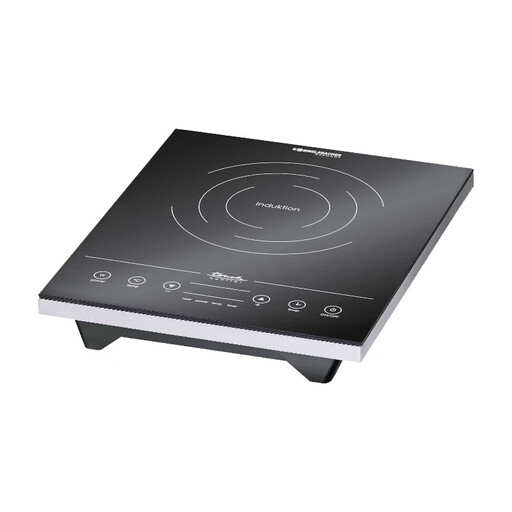 No image available
Rommelsbacher CT 2010/IN hob
According to the product information, this model requires induction-compatible pans, even though the model name includes the word Ceramic.
The stated cooking zone size is 10–20 cm. Compare this with the base of your pan.
View at Joybuy
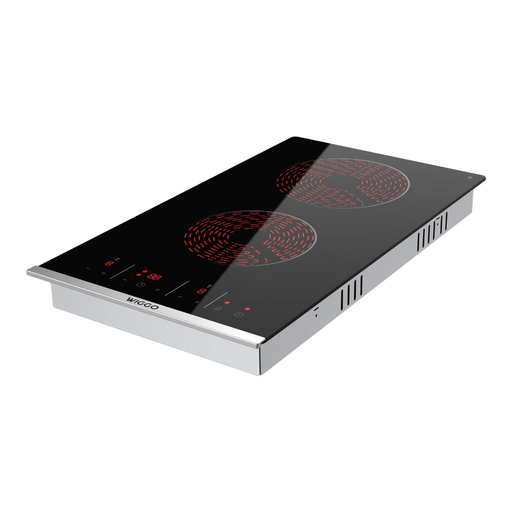 No image available
Wiggo WH-E372GC(B) ceramic hob
This is a built-in model with two independently controlled cooking zones; it’s only suitable for a kitchen designed for built-in appliances.
The product information specifies a two-phase connection (7,6 kW) and a cable without a plug. Check the connection and installation requirements for your kitchen.
View at Joybuy
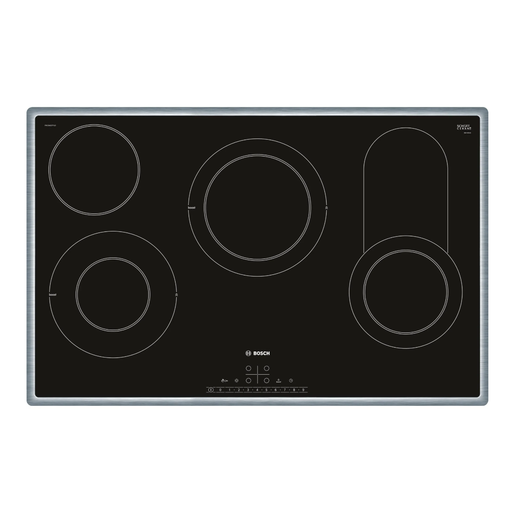 No image available
Bosch PKC845FP1D Series 6 ceramic hob
This is a built-in model with several cooking zones, designed for a kitchen set up for built-in appliances.
The product information specifies a three-phase connection (>7,6 kW). Check that this is compatible with your kitchen’s installation.
View at Joybuy
Frequently asked questions
How can you tell whether your small soup pan will work on induction?
Check that the base is suitable for induction and that its size falls within the cooking zone’s range. The Dutch Consumers’ Association points out that an induction zone may not detect a pan that’s too small; Inventum, for example, lists a pan size of 15 to 20 cm for the KI120T.
Does a 60 °C setting mean your mustard soup will stay at a constant 60 °C?
No, you can’t assume from that setting that the soup will stay at that temperature throughout. Tristar lists an adjustable range of 60 to 240 °C for the IK-6178, but without an independent measurement using a small pan of soup, this doesn’t prove what temperature the soup reaches while simmering.
Can you plug a portable hob into your socket?
It depends on the model and the connection in your kitchen. Inventum specifies an earthed Dutch socket for the KI120T; the Dutch Consumers’ Association explains that some freestanding induction hobs may require a Perilex socket and a two-phase connection. So check the instructions for the hob you choose.
Can you leave the soup simmering while you go out?
No, stay near the hob while you’re cooking. The Netherlands Fire Service advises keeping an eye on it; a timer is no substitute.
What extra costs might there be on top of the hob?
If your pan isn’t suitable for the induction hob you choose, you may need a different one. If the appliance requires a different connection, installation could be an additional cost; this depends on the model and your kitchen.


