Choose a hob based on your pan, the space you need for other dishes and your kitchen’s electrical connection. Induction responds quickly when you want to turn the heat down after bringing your polenta to the boil. A ceramic hob may be suitable if your pan isn’t induction-compatible, but it heats up more slowly and retains residual heat after use. A freestanding single-phase induction hob can give you extra cooking space, although the available power is more limited when you’re cooking several things at once.
Who is this choice relevant to?
Host cooking with several pans
You want to cook polenta and side dishes at the same time, so you’re considering the number of cooking zones, space for your pans and the available power. Consumentenbond and ETNA provide information about electrical connections, cooking zones and flexible zones.
Cook without a kitchen renovation
You’re looking for an extra cooking spot for dinner and want to use your existing electrical connection. Check that your socket and circuit are suitable; Consumentenbond and Inventum explain what to consider with freestanding single-phase hobs.
Cook with existing pans
You want to know in advance whether your polenta pan will work on induction, or whether a ceramic hob would be a better match for your cookware. Milieu Centraal and Electrolux Support explain how to check whether pans are suitable for induction.
What should you look for when buying?
Built-in induction hob with several zones
A good fit if: you cook polenta and side dishes at the same time, have induction-compatible pans and have space and a suitable connection for a built-in hob.
Keep in mind: check the cut-out dimensions and electrical connection. A flexible zone is only useful if it suits your pans and cooking setup.
Freestanding single-phase induction hob
A good fit if: you want an extra cooking spot on your worktop and don’t want to install a new built-in connection.
Keep in mind: the available power may be more limited when you’re cooking several things at once. Also check your pan and the load on the socket and circuit.
Ceramic hob
A good fit if: induction isn’t suitable for your pan or circumstances, and the chosen model’s electrical connection is available.
Keep in mind: the hob itself heats up, responds more slowly and stays hot after use. Some built-in models require a multi-phase connection.
For polenta, it’s useful to be able to turn the heat down after bringing it to the boil. Your pan and the cooking space available also help determine which type of hob is right for you.
| What to consider |
What should you look for? |
Who is it most relevant to? |
| Keeping polenta at a gentle simmer |
Check the heat settings and whether the base of your pan fits the cooking zone well. A timer is no substitute for stirring. |
If you want to cook polenta gently and adjust the heat easily, this level of control matters; around 34% of consumers put gentle cooking first. |
| Cooking several dishes at once |
Check the number of zones, the space for your pans and the power available when using several zones at once. |
If you’re cooking a sauce or side dishes on the hob while making polenta, you’ll benefit from space for several pans; around 27% of consumers prioritise cooking multiple dishes at once. |
| Electrical connection and installation |
Check the plug type, rated connection, available circuit and any cut-out dimensions. |
If you want to connect the hob to your existing kitchen installation, you’ll want to know what’s needed beforehand; around 20% of consumers focus mainly on the connection and installation. |
| Existing pans and additional costs |
Check whether your pan is suitable for induction. If necessary, compare ceramic models and ask for installation advice before choosing a built-in hob. |
If you want to keep using your existing pans and avoid extra purchases or alterations, check the hob type before buying; around 19% of consumers prioritise pan compatibility and additional costs. |
Common pitfalls
-
Assuming four zones means full power on all four
On a single-phase hob, the available power may be shared between the zones in use.
Decide which dishes need to cook at high heat at the same time, and check the model’s rated connection and power distribution.
-
Confusing a ceramic glass hob with induction
Induction only works with suitable magnetic cookware; with a ceramic hob, the glass surface itself is heated.
Check the hob type and whether your pan is suitable. If it isn’t, you may need different cookware.
-
Looking only at the purchase price
With a built-in hob, the installation required and your existing kitchen fittings can affect what needs to be done before you can use it.
Check the cut-out dimensions and electrical connection, and if necessary ask for a quote tailored to your kitchen in advance.
Changing the circuit, electrical connection or worktop may involve extra work.
Brands to consider
Inventum
Offers freestanding single-phase induction hobs with two or four cooking zones, giving you extra cooking space without a built-in installation.
- Inventum says the VKI3010ZWA has two zones and a timer.
- Inventum says the available power is shared between the zones in use on its four-zone VKI6010ZIL. Bear this in mind if you use several pans at once.
ETNA
Offers ceramic and induction built-in hobs, so you can compare both types within the same range.
- ETNA lists four zones for the ceramic KC260ZT and four zones with connectable zones for the induction KIF460MG.
- According to ETNA, the KC260ZT requires a two-phase connection. Whether connectable zones are useful depends on your cookware.
Electrolux
Offers a ceramic built-in hob for those who don’t want to or can’t use induction.
- Electrolux lists four zones and a residual heat indicator for the LRR6430M.
- The stated rated connection is 6500 W, so check that your electrical installation is suitable.
Bosch
Offers built-in induction hobs with different zone layouts and functions for a range of cooking tasks.
- Bosch describes the PXY675DC1E as having Move Mode, with different preset heat settings.
- This is a model-specific feature; it doesn’t mean you can cook polenta without stirring.
Siemens
Offers built-in induction hobs with flexible zones and controls for different cooking tasks.
- For the EX607NYV6E, Siemens lists three heat zones via powerMove Plus.
- Siemens describes fryingSensor Plus as a frying temperature function; there’s no evidence that this offers an advantage when cooking polenta in a saucepan.
Hobs on Joybuy
These Joybuy products are built-in induction hobs with several zones, suited to cooking polenta and side dishes at the same time.
 No image available
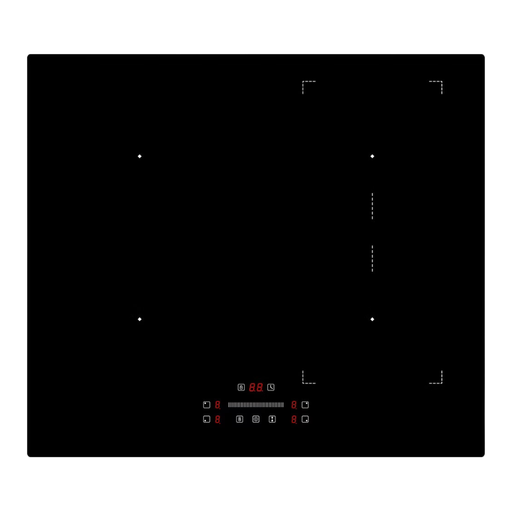
Exquisit EKI624-30 induction hob
With four zones, this built-in model gives you space to cook polenta and side dishes at the same time.
Four cooking zones, nine settings per zone, bridge function and timer. The supplied cable doesn’t have a plug.
View at Joybuy
 No image available
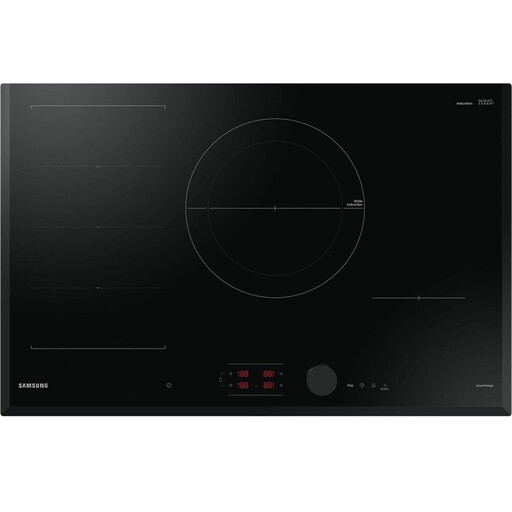
Samsung NZ84C6058KK induction hob
The four zones are useful if you want to cook other dishes for dinner on the hob while making polenta.
80 cm wide, four zones and fifteen power levels plus boost. Flex Zone Plus is designed for large or multiple pans. This is a built-in model; the product description says it must be installed by a qualified electrician.
View at Joybuy
 No image available
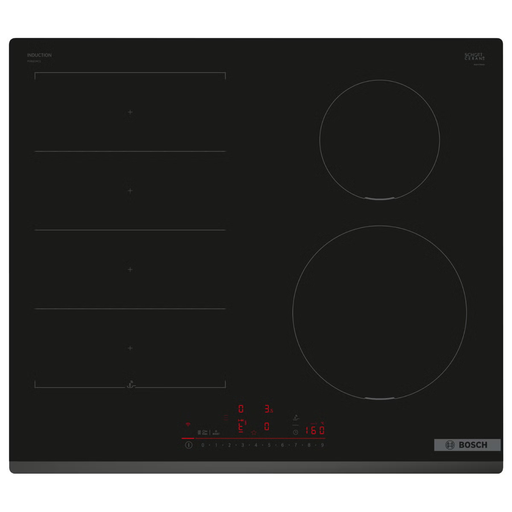
Bosch PIX631HC1E induction hob
FlexInduction is useful if you want to adjust the cooking zone to suit the position and size of your cookware.
60 cm wide, four zones and DirectSelect controls. Refer to the installation instructions for fitting.
View at Joybuy
 No image available
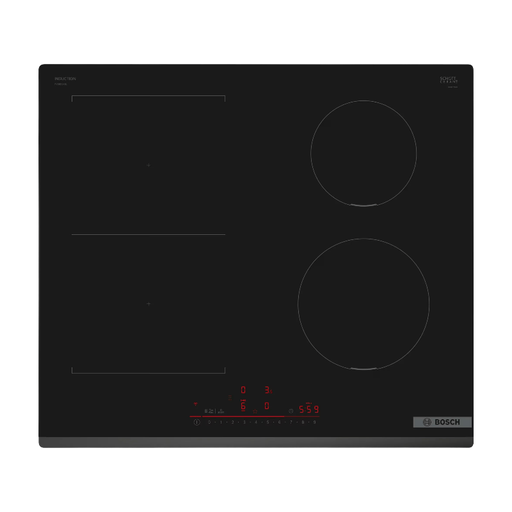
Bosch PVS631HB1E induction hob
The four induction zones give you room to cook other dishes while making polenta.
60 cm wide, four zones, TouchSlider controls and PowerBoost.
View at Joybuy
 No image available
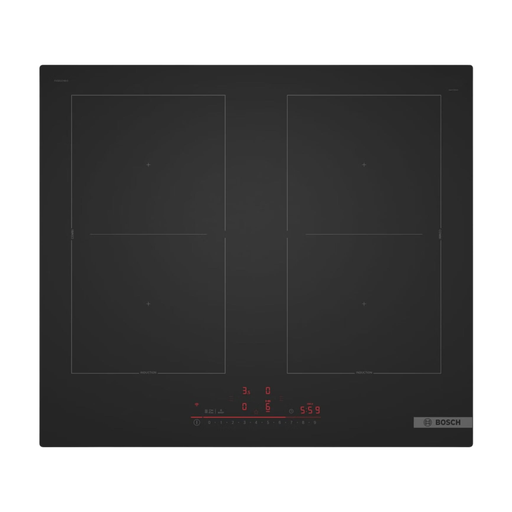
Bosch PVQ61CHB1E induction hob
CombiZone can combine two zones, which may be useful if you’re cooking with a larger pan.
60 cm wide, four zones and seventeen power levels. The stated connected load is 7,4 kW; power management depends on the fuse in your electrical installation.
View at Joybuy
Frequently asked questions
Does polenta need to cook on the highest setting?
No. Bring the liquid to the boil, stir in the polenta and leave it to simmer gently, stirring continuously. Also follow the cooking time on your polenta’s packaging. This advice is in line with the instructions from Albert Heijn Allerhande.
Will my current pan work on an induction hob?
Check whether the manufacturer says the pan is suitable for induction and whether a magnet sticks to the base. Also check that the base of the pan fits the cooking zone well; Milieu Centraal and Electrolux Support explain these checks.
Can a four-zone induction hob always be plugged into a standard socket?
No. Some specific single-phase models can be connected that way, but the available power may be more limited when cooking several things at once. Check the model’s requirements and whether your socket and circuit are suitable; more powerful built-in models may need a different connection. Consumentenbond explains what to consider with single-phase hobs.
Is CE marking compulsory for an electric hob in the Netherlands?
CE marking is compulsory for electrical products covered by the relevant regulations. The NVWA explains this legal product requirement. For a specific product, check that the marking is present and has been applied correctly.
What can I do if my new hob breaks too soon during normal use?
In the Netherlands, you have statutory consumer rights as well as any manufacturer’s warranty. If the product doesn’t meet what you could reasonably expect, the seller must resolve the issue free of charge under the applicable terms, for example by repairing or replacing it. ACM ConsuWijzer explains these rights.


