
Cook with a large soup pot
Needs a suitably sized cooking zone for a pot of carrot soup, and may want to use other pans at the same time.


Start by checking the base of your soup pot: the cooking zone needs to suit it, and the pot must be induction-compatible if you choose an induction hob. Induction is worth considering if you want to adjust the heat quickly and your pot and electrical connection are suitable. A ceramic hob may be a better fit if you want to keep using your existing pot, provided you’re happy with slower heating and residual heat. A four-zone hob doesn’t automatically mean you can use all four zones at high power at the same time.
Needs a suitably sized cooking zone for a pot of carrot soup, and may want to use other pans at the same time.
Looking for an electric setup that works with the connection available, without assuming that a standard socket will automatically provide enough power to run several zones at once.
Considering whether their current pan is suitable for induction and whether they might need to switch to a different one.
| What to consider | What should you check? | Who is this important for? |
|---|---|---|
| Space for your soup pot | Measure the base of your pot and compare it with the cooking zone. Also check that there’s enough room for any other pans you’ll be using at the same time. | If I’m making a large pot of soup and want to cook something else as well, I look for suitably sized zones and enough space. Around 36% of consumers are particularly concerned about pan space and cooking several dishes at once. |
| Electrical connection and power | Check the type of connection, the circuit and the instructions for connecting the exact model. Get any required alterations assessed. | I want to know whether the hob is compatible with my electrical installation before choosing a model. Around 29% of consumers pay closest attention to the available connection and power. |
| Keeping your existing pan | Check whether the base of your pan is magnetic and suitable for induction, and whether its diameter matches the zone. Ceramic is another option, but it heats differently and retains residual heat. | If I want to keep using my soup pot, I take its suitability into account when choosing between induction and ceramic. Around 21% of consumers prioritise keeping their existing pan. |
| Simmering and serving | Check how you adjust the heat and whether the model has a timer. Separately, decide how you’ll serve the soup and keep it at the right temperature if needed. | While the soup is simmering and being served, I want to be able to adjust the heat and know how to serve it safely. Around 14% of consumers focus mainly on heat control and serving. |
On a single-phase induction hob, the available power is shared when several zones are in use. This can limit how many zones you can use at high settings at the same time.
Think about which pans you’ll need to use at once, and check the specifications and instructions for the specific model and the available circuit.
For induction, the material and diameter of the pan base matter. According to the Consumentenbond, a large difference between the pan base and cooking zone can cause problems with pan detection or even heating.
Measure the base and compare it with the zone. Also check whether a magnet sticks to the base of the pan.
Connection requirements vary by model. For example, ETNA specifies that the KC360RVS needs a two-phase connection and does not come with a plug.
Check the connection instructions for your chosen model, whatever its heating technology.
A timer or heat setting doesn’t measure the temperature of your soup. If food-safety rules apply to cooking or keeping it warm, you’ll need to follow them separately.
Stay nearby while cooking, and decide how you’ll serve the soup and keep it at the right temperature where necessary.
ETNA offers both induction and ceramic models to suit different pans and electrical connections.
The VKI6010ZWA is a freestanding induction option to consider if the electrical connection is an important factor.
The PIX631HC1E built-in hob is an induction option with a flexible zone to consider if you want to use different pans.
The ET631FFP8E ceramic built-in hob is worth considering if you want to compare a dual-ring zone with the base of your pan.
This selection includes ceramic and induction hobs for making soup, with both built-in models and portable hobs.
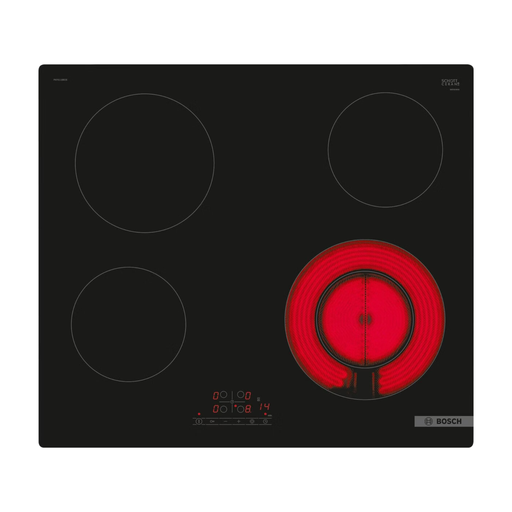 No image available
A ceramic option to consider if you want to use a pan that isn’t suitable for induction.
Four cooking zones and an expandable zone of Ø120–210 mm. The description lists 17 power levels and a timer with automatic shut-off.
The connection specified is two-phase, with a 5-pin Perilex connection; the cable and plug aren’t included. Check the cut-out and connection before buying.
 No image available
A portable induction hob to consider if you want to cook soup and use a second pan at the same time.
The product description lists two independently controlled zones of 1500 W and 1000 W.
Check the connection and the model’s instructions before using the hob.
 No image available
A portable ceramic hob to consider if you want to cook soup in a separate area.
The product name lists 3500 W. This is the stated connection rating, not a measure of cooking performance. The description says it can be used with different types of heat-resistant pans.
Use the hob on a stable, heat-resistant surface and check the connection instructions.
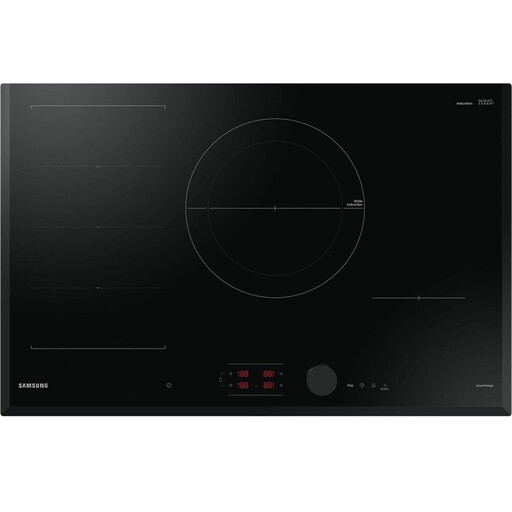 No image available
A built-in option to consider if you’re looking at using a large pan and several cooking zones.
The description lists four zones and a Flex Zone Plus measuring 210 × 380 mm.
This is an 80 cm built-in model. Check that the cut-out and connection are suitable for your kitchen.
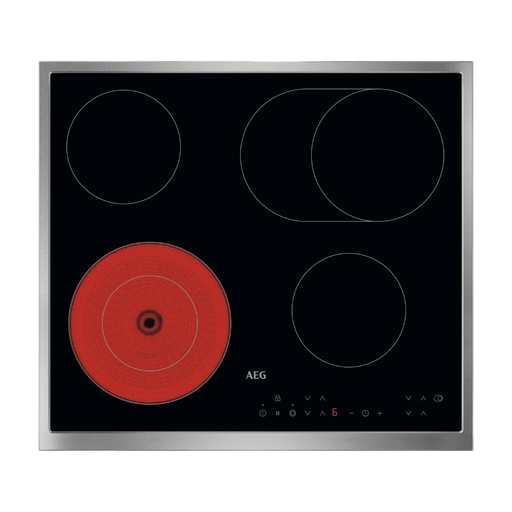 No image available
A ceramic built-in option to consider if you want to compare an adjustable zone with the base of your soup pot.
The description lists four cooking zones and an adjustable zone measuring 17 × 26,5 cm.
The specified cut-out is 56 × 49 cm, and the product description says it should be connected by a qualified electrician.
Check whether the base is magnetic and compare its diameter with the cooking zone. A suitable material alone doesn’t guarantee that a large pan will heat evenly on every zone.
No, it depends on the model. According to their instructions, some specific single-phase models can be used with a standard earthed socket, but share the available power between active zones. Check the appliance and circuit before connecting it.
A timer can help you plan, but it doesn’t replace supervision. The Fire Service advises staying near the hob while cooking and keeping flammable materials away from it.
This depends, among other things, on how the event is organised and whether food is being sold. The Netherlands Food and Consumer Product Safety Authority (NVWA) states that a food safety plan is required for anyone who prepares and sells food at markets and events several times a year. A one-off informal community meal isn’t automatically covered by this requirement.