
Workshop cook using a large pan
You’ll want to check in advance that the pan base fits the cooking zone; the Netherlands Nutrition Centre’s recipe uses a large pan.


First, choose a hob that suits the base of your pan, then decide whether you’ll also need to heat milk or cook a second dish during the workshop. The Netherlands Nutrition Centre uses a large pan for its kale and potato mash recipe, so compare the pan base with the cooking zone and, if you choose induction, check that the base is magnetic. If you’re using several zones, take account of the shared power supply and the available electrical circuit too.
You’ll want to check in advance that the pan base fits the cooking zone; the Netherlands Nutrition Centre’s recipe uses a large pan.
You may want to heat milk or cook a second dish alongside the mash. The Consumentenbond describes freestanding induction hobs with one, two or four zones.
You’ll want to check which connection and safe location are available before the workshop. The Fire Service advises fully unwinding any cable reel you use.
A good fit if: you’re using one suitable pan for the mash and its base fits the zone.
Bear in mind: there’s no second zone on the same hob for cooking something else at the same time.
A good fit if: you want to use several pans at once during the workshop.
Bear in mind: the available power may be shared between the zones in use, and there needs to be enough room for the pans to fit side by side.
A good fit if: your existing pan doesn’t have a magnetic base for induction and it fits the zone.
Bear in mind: the hotplate may stay hot after you switch it off.
A good fit if: you’re looking for a flat electric hob and induction doesn’t suit your pan or setup.
Bear in mind: Milieu Centraal describes ceramic cooking as less energy-efficient than induction; check the connection requirements for each model.
| What to consider | What should you check? | Who is this most important for? |
|---|---|---|
| Will the pan fit the zone? | Measure the pan base and compare it with the stated pan size or zone diameter for the model you’re considering. | I want to know in advance whether my large pan will fit the cooking zone, so I don’t have to change pans during the workshop. Around 31% of consumers say pan compatibility is their top buying priority. |
| Cooking more than one dish at a time | Check the number of zones, the power per zone, the total connected load and the space available for the pans. | If I want to heat milk or cook a second dish alongside the mash, will one zone be enough, or will I need several? Around 25% of consumers prioritise cooking more than one dish at once. |
| Power and workspace | Check the plug type, connected load, other appliances on the same circuit and the required clearance around the hob. | I want to use the hob at the workshop venue without overlooking the power connection or the space available. Around 25% of consumers choose mainly based on the connection and safe positioning. |
| Existing pans | Test the pan base with a magnet and check its size; otherwise, choose a suitable non-induction hob. | I want to keep using my current pans, so I need to know whether they’re suitable for induction. Around 19% of consumers prioritise keeping their existing pans. |
On a freestanding hob, the available power may be shared between the zones in use. So having several zones doesn’t automatically mean each one can run at its highest setting at the same time.
Compare the total connected load with the dishes you plan to cook at once, and check the model specifications.
For induction, the pan base needs to be magnetic and must fit within the size range specified for the model.
Test the base with a magnet and measure it before choosing a hob.
A hotplate may stay hot even after you switch it off.
Keep the cooking area clear and let the appliance cool according to the manual before cleaning or moving it.
Inventum offers, among other options, a single-zone portable induction hob and a freestanding hob with four zones.
Tristar offers, among other options, a double traditional electric hob and a portable induction hob.
Severin offers, among other options, the traditional single-ring KP 1091 and the double induction hob DK 1031.
This Joybuy selection includes portable induction hobs with one or two zones. Before your workshop, check that the pan base and available power connection are suitable for the model you choose.
 No image available
The two zones may suit a workshop where you’re cooking more than one dish at once; check that your pans are suitable for induction.
The product name lists a power rating of 2000 W.
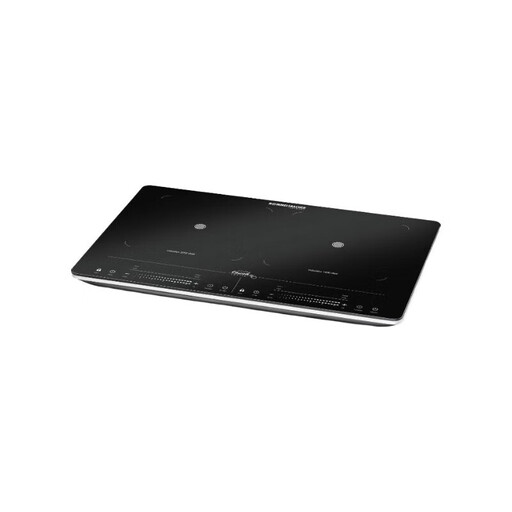 No image available
The two independently controlled zones are designed for cooking two dishes at once; your pans need to be suitable for induction.
Listed zone power ratings: 1400 W and 2000 W.
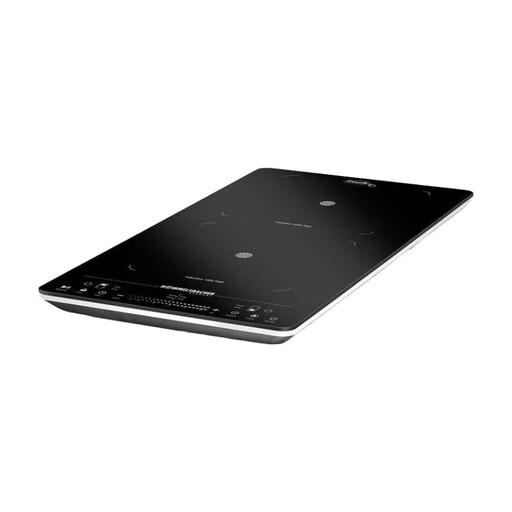 No image available
The two cooking zones may suit preparing several dishes at once; also check that your pans fit side by side.
The listed pan diameter range is 120–260 mm. The pan base must be ferromagnetic.
 No image available
The single zone may suit a workshop where the pan of mash is the only dish being cooked on this hob.
Power: 2000 W. The product details list a pan base size of 12–26 cm, a zone up to Ø 26 cm and 10 power settings. There’s no second zone for cooking another dish at the same time.
 No image available
The single zone may suit one suitable pan for the mash; there’s no separate zone on the same hob for cooking a second dish.
Power: 2000 W. The listed zone is suitable for pans measuring 12–23 cm and has 10 power settings. The pan base must be ferromagnetic.
Yes. The Netherlands Nutrition Centre’s recipe card cooks the kale and potatoes together in a large pan. Choose a cooking zone that suits the base of the pan you’ll be using during the workshop.
The Fire Service recommends plugging high-power appliances directly into a wall socket wherever possible. If you use a cable reel, unwind it fully. Also check the hob’s power rating and any other appliances on the same circuit.
Let the hob cool down and follow the model’s manual. The Severin KP 1091 manual says to unplug the appliance before cleaning, let it cool down and never immerse it in water.
Yes. The Netherlands Food and Consumer Product Safety Authority (NVWA) states that CE marking is compulsory for electrical consumer products placed on the market in the Netherlands. The mark is the manufacturer’s declaration that the relevant requirements have been met; on its own, it isn’t proof of an independent inspection.
The term ‘cooking workshop’ alone doesn’t determine this. Ondernemersplein’s guidance describes the obligations for businesses that handle food or sell food and drink. If you’re running a commercial workshop where food is served or sold, find out which rules apply to the organiser; don’t assume that every private workshop needs a permit.