What should you look for when choosing?
For a meal shared with others, four things matter: space for your pans, the ability to turn the heat down low, an extra cooking spot and whether you can keep using your current pan.
Built-in induction hob with several zones
A good fit if: you’re cooking the stew and side dishes at the same time, your pan base is suitable for induction, and your kitchen has the right space and electrical connection for a built-in hob.
Bear in mind: your pan needs to suit the zone you choose. Check the installation requirements for the specific model too.
Portable induction hob
A good fit if: you need an extra cooking spot temporarily and your pan’s magnetic base is within the stated size range.
Bear in mind: a single-zone hob doesn’t give you a second cooking spot. Check the connection and the load on the circuit.
Conventional electric hob
A good fit if: your pan isn’t suitable for induction and you choose a hob with a cooking zone that suits your pan.
Bear in mind: the cooking zone gets hot and retains residual heat. A portable single-ring hob also leaves little room for other pans.
| What to consider |
What to look for when buying |
Who is this most relevant for? |
| Space for pans |
Compare the base of your pan with the stated pan size range or cooking zone, and decide how many pans you need to use at once. |
If I want to use a large stew pot and prepare side dishes at the same time for a meal with others, I’ll first look at the available zones. Around 36% of consumers put space for several pans first. |
| Gentle simmering |
Check the low heat settings and timer on the exact model. While cooking, check that the contents are gently simmering. |
If I want the stew to cook slowly after it has warmed up, low heat settings and keeping an eye on it while cooking are important. Around 29% of consumers prioritise settings for long, slow cooking. |
| Extra cooking spot |
For a portable hob, check the manual, surface requirements, ventilation space, electrical connection and any other appliances on the same circuit. |
If I only need an extra cooking zone for a celebratory meal, I’ll want to know where I can safely put the hob and how it should be connected. Around 21% of consumers give a temporary cooking spot top priority. |
| Keeping your existing pan |
Use a magnet to test whether the pan base is magnetic, and check its size. For a conventional hob, also check that the base is flat enough. |
If I want to keep using my current stew pot, I’ll first check that it suits the hob type and cooking zone I’ve chosen. Around 14% of consumers prioritise keeping their existing pan. |
Hobs at Joybuy
This selection focuses on hobs with several zones for cooking a stew and side dishes at the same time, as well as a portable two-zone induction hob.
 No image available
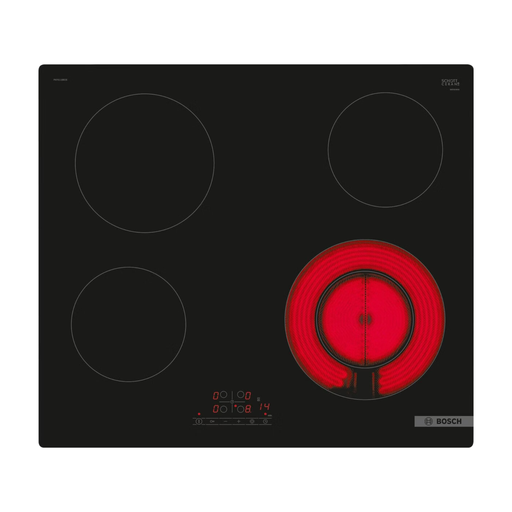
Bosch PKF611BB2E Series 4 ceramic built-in hob, 60 cm
The four zones are designed for using several pans at once, such as a stew pot and pans for side dishes.
The product description lists 17 heat settings, a timer for each zone with automatic switch-off, and an expandable zone of Ø120–210 mm. The specified connection is two-phase with a 5-pin Perilex connector; the cable and plug are not included. A ceramic hob retains residual heat after use.
View at Joybuy
 No image available
Portable induction hob with two cooking zones
The two zones give you space to prepare a stew and another dish at the same time.
The product name lists five temperature settings and keep-warm, simmering and slow-cooking functions. Check that your pan base is suitable for induction and fits the zone you want to use.
View at Joybuy
 No image available
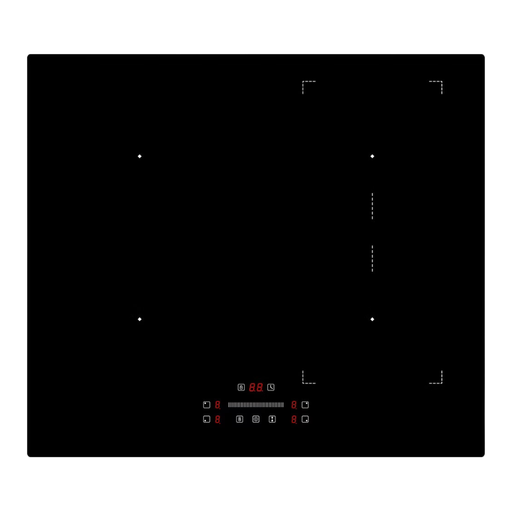
Exquisit EKI624-30 induction hob, 4 zones
The four induction zones are designed for cooking with several pans at once.
The product description lists nine settings and a timer that switches a cooking zone off automatically. According to the description, the cable has no plug and is intended for direct wiring. Induction requires a suitable pan base.
View at Joybuy
 No image available
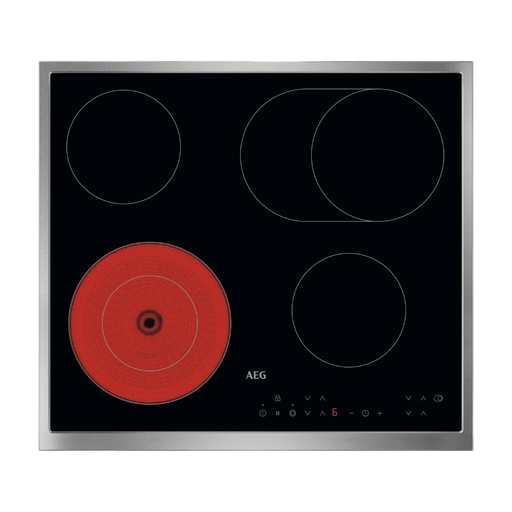
AEG TN64RA06XB ceramic built-in hob, 60 cm
The four zones give you space to use several pans at once.
The product description lists nine settings, a 99-minute timer and an expandable zone. As a ceramic hob, its surface retains residual heat after use.
View at Joybuy
 No image available
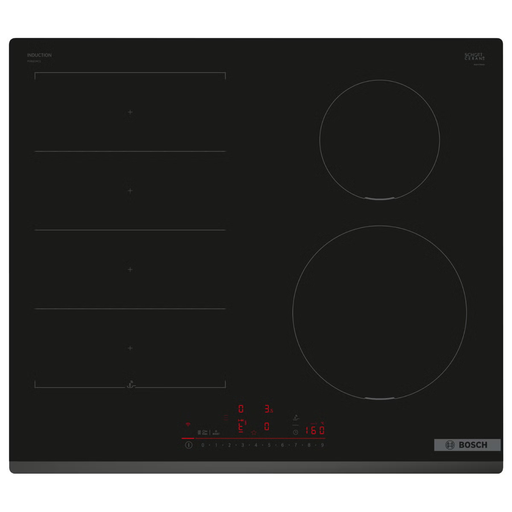
Bosch PIX631HC1E induction hob, 60 cm
The four zones are designed for cooking with several pans; the product description mentions FlexInduction for larger pans.
The description lists 11 preset temperatures for the pan. Check that your existing pan is suitable for induction and that the flexible zone suits its base.
View at Joybuy
Frequently asked questions
How can you check whether your stew pot works on induction?
Hold a magnet against the base of the pan: it needs to be magnetic for induction. The Netherlands Environmental Information Centre also advises comparing the base size with the pan range specified by the hob manufacturer.
How can you tell whether a hob will gently simmer your stew?
Check which low heat settings the exact model has, then see whether the contents simmer gently while you’re cooking. The stated maximum power or timer alone won’t tell you how your pan will behave on the lowest setting.
Can you simply put a portable hob on the worktop?
No. Follow the placement instructions for the exact model. The Inventum KI120T manual calls for a flat, heat-resistant surface and enough ventilation space. The Fire Service advises plugging high-power appliances directly into a socket wherever possible, rather than using an extension reel or multi-socket adaptor.
What should you check before connecting a built-in induction hob?
Compare the required connection with your consumer unit and the connection in your kitchen, and have the installation checked by a professional if needed. The Consumers’ Association says that induction hobs with a connected load above 3,65 kW require a higher-capacity connection and a 5-pin Perilex socket.
Is induction cooking suitable if you have a pacemaker?
Ask your pacemaker technician or cardiologist first. The Netherlands Environmental Information Centre gives this advice specifically to people with a pacemaker; it isn’t a general warning against induction for other users.


