Which hob is right for you?

Cook using several pans

You’re frying onions while preparing other parts of a meal to share. So consider the usable zones, space for your pans and the available power when several zones are on at once. Consumentenbond’s guidance on electrical connections is relevant if you’re considering induction.

Cook without space for a built-in hob

You’re looking for a freestanding hob and want to know whether it’s compatible with your existing earthed socket and electrical connection. Check the requirements for the specific model; having a plug doesn’t tell you whether you can use several zones at once.

Cooker who wants to keep their existing pans

You want to keep using your current pans, so you’re comparing induction with ceramic or cast iron. If you choose induction, check that the base of your pan is suitable. Voedingscentrum explains the differences between ceramic and induction hobs.

What should you consider when choosing?

Freestanding induction hob

A good fit if: you don’t need a built-in hob, have a suitable induction pan and can find a model with enough zones.

Bear in mind: pan compatibility and the available power. With a single-phase connection, you can’t necessarily use several zones at high power at the same time.

Built-in induction hob

A good fit if: you often prepare several parts of a meal at once and your kitchen has space for a built-in hob.

Bear in mind: the cut-out, electrical connection and installation. Consumentenbond says induction hobs rated above 3.65 kW require a higher-capacity connection and a 5-pin Perilex socket.

Built-in ceramic hob

A good fit if: you want to keep using suitable pans you already own and the hob is compatible with your kitchen and electrical connection.

Bear in mind: it responds less quickly than induction when you turn down the heat and retains residual heat after cooking. Check the connection requirements too.

Freestanding electric hob with a cast-iron zone

A good fit if: one extra pan is enough and you’re looking for a freestanding cooking spot that doesn’t require an induction pan.

Bear in mind: one zone won’t leave room to cook several other parts of dinner at the same time, and the hob may stay hot after it’s switched off.

What to consider What to look for when buying Who is this important for?
Frying onions gently Check whether you can turn down the heat while frying and whether the cooking zone suits the base of your large pan. If I want to brown onions gradually, I want to be able to adjust the heat easily. Around 28% of consumers in this cooking scenario mainly want to control the frying process.
Space for other dishes Check how many pans fit at once and how much power is available when several zones are on. If my onion pan is on the hob for a long time, I want to leave room for the rest of dinner too. Around 22% of consumers in this cooking scenario mainly want to cook several dishes at once.
Electrical connection and positioning Check the manual, rated connection, specified plug and any required built-in dimensions for your kitchen. If I’d rather not modify my kitchen, I want to know in advance whether the hob will fit the available space and work with my electrical connection. Around 22% of consumers in this cooking scenario prioritise connecting a hob without major kitchen alterations.
Existing pans For induction, check that your pan is suitable and that its base is the right size for the cooking zone. If I want to keep my current pans, I want to know whether they’ll work with the type of hob I choose. Around 17% of consumers in this cooking scenario mainly want to keep their existing pans.
Supervision and residual heat Check whether each model has a residual-heat indicator or timer, and stay nearby while cooking. If I’m cooking for a long time, I want to keep a close eye on the hot hob and cooking area. Around 11% of consumers in this cooking scenario prioritise safety and maintenance.

Common buying mistakes

  • Assuming more zones mean more power at the same time

    With a limited electrical connection, you can’t necessarily use several zones at high power at once.

    Compare the rated connection and guidance on using zones at the same time with your meter cupboard and cooking plans.

  • Mistaking ceramic for induction

    A glass surface doesn’t tell you which type of heating the hob uses. With induction, the base of your pan needs to be suitable.

    Check the type of hob and whether your pans are suitable before placing your order.

  • Considering only the hob when choosing a built-in model

    Not every kitchen has a suitable cut-out and power supply.

    Check the dimensions and electrical connection in advance, and get an installation quote if needed.

Brands and models to consider

Inventum

Offers freestanding induction and cast-iron hobs for anyone looking for an extra cooking spot.

  • Inventum says the VKI3010ZWA has two induction zones and adjustable settings, while the KP602B has two cast-iron zones.
  • Check that your pan is suitable for induction with the VKI3010ZWA. For both models, make sure there’s enough space for your pans when cooking dinner.

ETNA

Offers built-in ceramic hobs for anyone weighing up multiple zones and the option to use suitable pans they already own.

  • ETNA says the KC260ZT has four zones, a residual-heat indicator and a 560 mm cut-out width.
  • The specified connection is two-phase. Check that the cut-out and connection are suitable for your kitchen.

Bosch

Offers built-in induction hobs for kitchens where several cooking zones are needed.

  • Bosch lists four zones and a switch-off timer for model PIE661BB5E.
  • Before buying, check the cut-out and connection requirements for the exact model.

Severin

Offers compact freestanding hobs that can serve as an extra cooking spot.

  • According to Severin, the KP 1091 has one cast-iron zone of approximately 18.5 cm and stepless temperature control.
  • With one zone, there’s no room to use other pans for dinner at the same time.

Joybuy products for these cooking scenarios

This selection includes freestanding and built-in induction hobs, as well as built-in ceramic hobs, for anyone who wants to fry onions while preparing other parts of a meal.
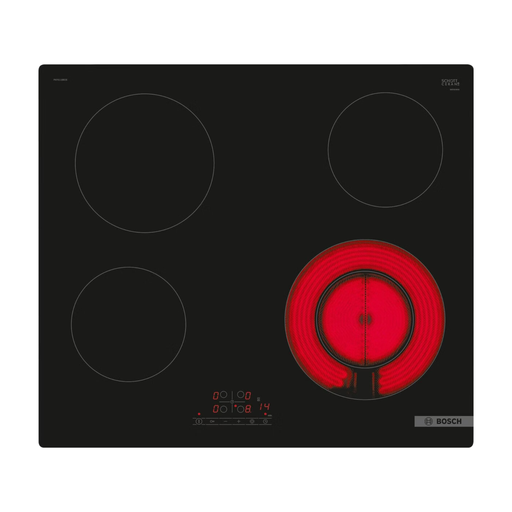
Bosch PKF611BB2E Series 4 built-in ceramic hob, 60 cm

Bosch PKF611BB2E Series 4 built-in ceramic hob, 60 cm

A built-in ceramic hob for anyone who wants to keep using suitable pans they already own while preparing several dishes.

60 cm; ceramic; the product description specifies a two-phase connection and a 5-pin Perilex connection. Check that your kitchen meets these requirements.

Joybuy

Induction hob with two cooking zones and five temperature settings

Induction hob with two cooking zones and five temperature settings

A freestanding induction hob for anyone who wants to use an onion pan and another pan in the same cooking area.

Two cooking zones; five temperature settings; the product name mentions slow cooking over a low heat. Use a pan that’s suitable for induction.

Joybuy
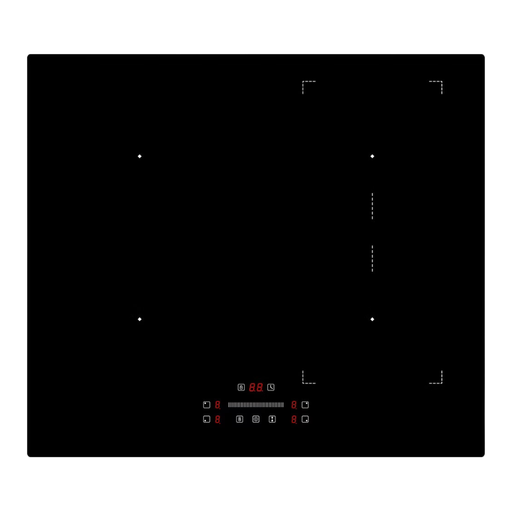
Exquisit EKI624-30 induction hob with four cooking zones

Exquisit EKI624-30 induction hob with four cooking zones

A built-in induction hob for anyone who wants to prepare several parts of dinner at the same time.

Four cooking zones; touch controls; the product name mentions PowerBoost. According to the product description, the hob comes with a cable but no plug, and must be installed professionally.

Joybuy
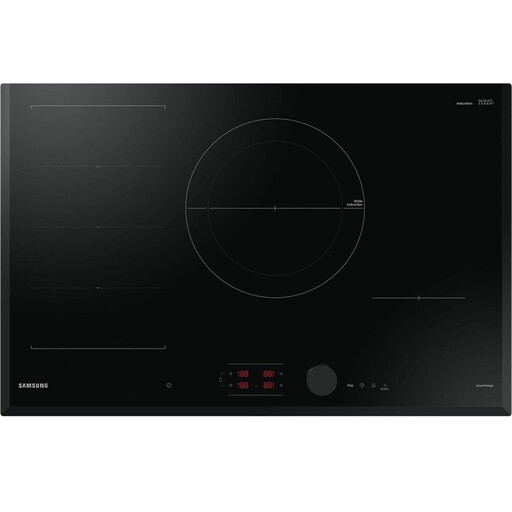
Samsung NZ84C6058KK induction hob, 80 cm, four zones

Samsung NZ84C6058KK induction hob, 80 cm, four zones

A built-in induction hob for anyone who uses several pans at once and is considering extra space for them.

80 cm; four cooking zones; the product name mentions a Flex Zone Plus zone. Use pans suitable for induction. The product description specifies installation by a qualified electrician.

Joybuy
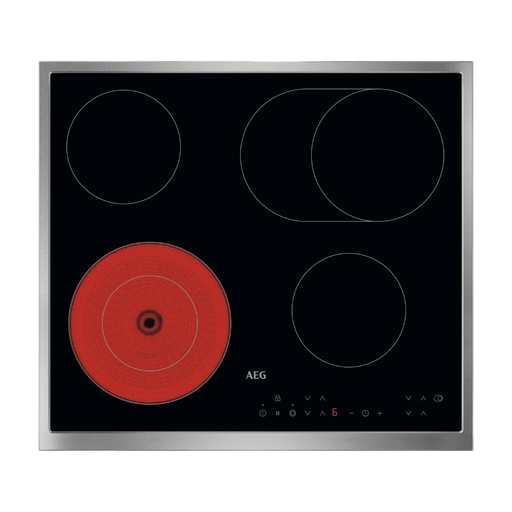
AEG TN64RA06XB built-in ceramic hob, 60 cm, four cooking zones

AEG TN64RA06XB built-in ceramic hob, 60 cm, four cooking zones

A built-in ceramic hob for anyone who wants to use suitable pans they already own while preparing several dishes at once.

60 cm; four cooking zones; the product name mentions expandable cooking zones. The product description specifies a 220–240 V / 400 V 2N connection and installation by an electrician.

Joybuy

Frequently asked questions

Can I always plug a freestanding induction hob into a standard socket?

Not always. Follow the connection requirements for the specific model and check which circuit is available. Consumentenbond points out that with a single-phase induction hob, you can’t necessarily use several zones at high power at the same time.

Which pan should I use for caramelised onions?

A wide pan gives onions plenty of room to fry, according to Herman den Blijker. If you choose induction, also check that the base of the pan is suitable and fits the cooking zone. Turn down the heat if the onions are browning too quickly.

Should I stay by the hob while frying for a long time?

Yes, stay nearby while cooking. Brandweer Nederland advises keeping flammable items away from the hob. A timer can act as a reminder, but it doesn’t replace supervision.

What installation costs and warranty rights should I consider with a built-in hob?

Modifying the electrical connection or worktop may add to the installation cost, so ask for a quote based on your circumstances. ACM ConsuWijzer explains that statutory warranty applies alongside a shorter manufacturer’s or seller’s warranty. If a product is faulty, the seller must provide a solution under the applicable terms.

What product safety requirements apply to an electric hob?

Applicable EU product safety rules and CE marking requirements apply to electrical equipment. You can’t tell which rules apply to a specific model, or whether it complies with them, from the product category or listing title alone; check the product information for that particular model.
