What should you look for?
Start by considering both viewing spots and how easy the captions are to read. Then decide how you’ll play the photos and how long each slide will stay on screen.
| What to consider |
What should you check? |
Who should pay particular attention? |
| Viewing from the kitchen |
Assess viewing angles and reflections from both spots, taking viewing distance and captions into account. |
I want to follow photos and text from an angle in the kitchen too. Around 33% of consumers say visibility from this second spot is their top buying priority. |
| Playing photos |
Choose your source first, then check the file formats and controls supported by the exact model. |
If my photos are on a phone or USB stick, I want to know in advance whether my source and files will work. Around 27% of consumers give reliable photo playback top priority. |
| Slides displayed for a long time |
If you’ll be showing lots of still images, weigh up LCD versus OLED and change the image regularly during long sessions. |
If slides will stay on screen for a long time, I want to consider the possibility of image retention. Around 20% of consumers say extended display of still images is their main concern. |
| Size, positioning and energy use |
Measure the viewing distance and available space. If wall-mounting, check the wall and the right bracket, and compare energy labels. |
I want a screen that fits the chosen spot and want to take energy use into account. Around 20% of consumers put positioning and running costs first. |
TVs at Joybuy
These TVs are options for showing photos and captions from a second viewing spot. Check how easy the screen is to see in your own room and what playback options the exact model offers.
 No image available
LG OLED48G69LS 48-inch OLED evo AI G6 4K Smart TV
An option to consider if a second viewing spot at an angle is important. OLED typically has a wider viewing angle, but this hasn’t been measured for this model. The Dutch Consumers’ Association highlights image retention as a consideration with still images displayed for a long time.
48 inches, OLED and 4K, according to the product name.
View at Joybuy
 No image available
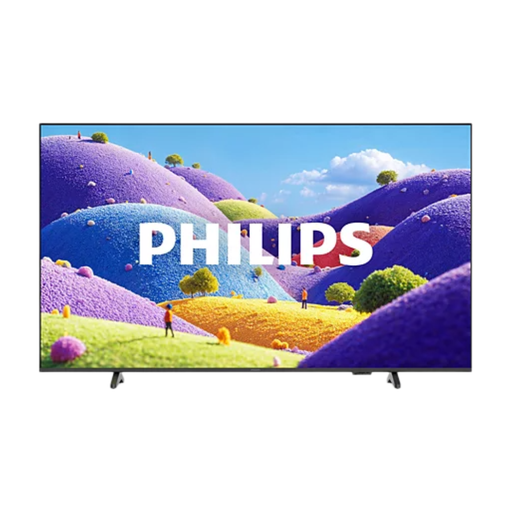
Philips 43PUS7061/12 43-inch 4K LED TV
A size option for a shared slideshow. Check that captions remain easy to read from both the main viewing spot and the kitchen.
43 inches, 4K and LED, according to the product name.
View at Joybuy
 No image available
Hisense 50A6S 50-inch UHD 4K Smart TV
A 50-inch option if you’re considering a larger screen. Check for yourself whether photos and captions are easy to follow from the kitchen.
50 inches, UHD and 4K, according to the product name.
View at Joybuy
 No image available
Hisense 43E7S 43-inch QLED 4K UHD TV
A 43-inch option to compare with your available viewing distance and the spot from which you’ll watch the slideshow.
QLED, 43 inches and 4K UHD, according to the product name.
View at Joybuy
 No image available
CHiQ U43QM10E 43-inch 4K Ultra HD QLED Smart TV
A size option to assess from both viewing spots. Also check that your photo files and source device work with the exact model.
43 inches, 4K Ultra HD and QLED, according to the product name.
View at Joybuy
Frequently asked questions
How can you tell whether captions will be readable from the kitchen?
Measure the distance from both viewing spots, then assess the screen from an angle and in the room’s ambient light. The Dutch Consumers’ Association looks separately at viewing angles and visibility in ambient light in its TV tests; the panel name alone doesn’t determine how readable the captions are.
Can you play a slideshow directly from a USB stick?
That depends on the file format and TV model. LG Netherlands says that supported file extensions and codecs can vary by model. Check the manual for the exact model and make sure its controls work with your photo files.
What should you check when wall-mounting the TV near the kitchen?
Check the wall, fixings and suitable bracket against the mounting instructions for the exact model. LG Netherlands recommends using a professional installer for wall mounting; follow the instructions supplied for your TV and mounting location.
Which energy label information is relevant for a TV?
The European Commission states that EU energy labelling and ecodesign requirements apply to electronic displays. Compare the energy labels and product information for the models you’re considering.
Do you still have rights in the Netherlands after the manufacturer’s warranty expires?
Yes. Your statutory rights are separate from the manufacturer’s warranty. According to the Dutch government, the Netherlands has no fixed statutory warranty period. What you can expect from a product depends, among other things, on the product itself and the information provided by the seller.


