
For listeners who want to catch every word
You listen to history podcasts or interviews on your phone and want to make out speech even when there’s background noise. The Dutch Consumers’ Association includes speech samples in its headphone tests.


If your audio files are on your phone, choose Bluetooth headphones based on speech clarity, fit and how much background noise you want to hear. If you want to listen without your phone, compare models with a built-in player and check that your files can be transferred and played. An open design also lets background noise in.
You listen to history podcasts or interviews on your phone and want to make out speech even when there’s background noise. The Dutch Consumers’ Association includes speech samples in its headphone tests.
You want to play your own audio files directly from your headphones. Shokz describes the OpenSwim Pro as having separate storage and supporting file transfers via cable. Check that your files and preferred transfer method are compatible.
You want to hear conversations, announcements or traffic while listening, and are happy to accept that an open design also lets in more background noise. The Dutch Consumers’ Association describes this as a feature of open-ear earbuds.
First decide whether your files will stay on your phone or need to play directly from the headphones. Then compare speech clarity, awareness of your surroundings, comfort and battery life for the conditions in which you listen.
| What matters | What to look for when buying | Who should prioritise it? |
|---|---|---|
| Understanding spoken passages | Listen to a speech sample and assess speech reproduction, fit and noise cancellation separately. | For interviews or narrative episodes, I want to follow voices even with background noise. Around 33% of consumers prioritise speech clarity. |
| Playing files without a phone | Check for built-in storage, supported file formats, transfer method and battery life in the playback mode you plan to use. | If I leave my phone at home, I need to be able to play my own files directly from the headphones. Around 27% of consumers give independent file playback top priority. |
| Staying aware of background noise | Compare an open-ear design with an ambient sound mode, and check whether you can hear your surroundings at a moderate volume. | When I’m out and about, I want to notice conversations or announcements, even if that means background noise can mask the podcast. Around 20% of consumers prioritise awareness of their surroundings. |
| Comfort and battery life | Pay attention to fit and pressure during longer listening sessions. Compare battery life only with the same settings and playback mode. | For long episodes, I want a model that stays comfortable and doesn’t need charging part-way through. Around 20% of consumers consider comfort and battery life their main buying concern. |
An offline episode may be available in the podcast app without you having a separate audio file. A standalone player needs files that it can play itself.
Check where the file is stored. If you want to listen without your phone, check the file format, storage and how you’ll transfer your files.
Manufacturers sometimes quote different maximum battery lives with noise cancellation on and off. These figures aren’t directly comparable if the settings differ.
Compare the stated hours for the mode you’ll actually use, such as with ANC switched on.
An open design lets in background noise, but that noise can also drown out spoken podcast content. Letting sound in doesn’t mean you’ll notice every traffic signal.
Choose a design to suit where you listen, keep the volume moderate and stay alert in traffic.
ACM ConsuWijzer distinguishes between additional cover from a retailer or manufacturer and the retailer’s legal responsibility if a product doesn’t meet expectations under normal use.
Read the terms of any additional cover separately, and consider any fault in light of your legal rights too.
Additional cover may come at an extra cost.
The WH-CH720N is a closed-back over-ear model for listening from a phone, with noise cancellation and an ambient sound mode.
The Tune 770NC is a foldable over-ear model with noise cancellation and modes for hearing ambient sound.
The OpenFit 2 is an open-ear model for listening from a source device; the OpenSwim Pro also offers Bluetooth and an MP3 mode with built-in storage.
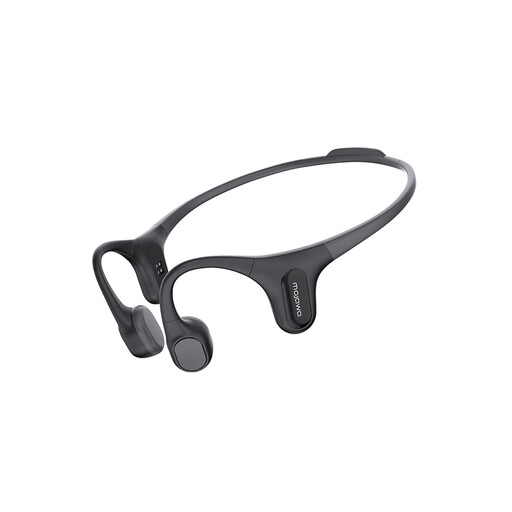
According to Mojawa, the Run Plus combines an open-ear design with Bluetooth and storage for your own files.
The MOMENTUM 4 Wireless is an over-ear alternative for listening from a phone if adjustable sound is important to you.
These models are designed for listening from a phone, with a choice of closed-back over-ear or open-ear designs. There’s also an option with built-in file storage for listening without a phone.
 No image available
A good fit for listening from a phone if you’re looking for an over-ear model with adaptive noise cancellation and a transparency mode.
Sennheiser quotes up to 60 hours of playback; this is a manufacturer figure.
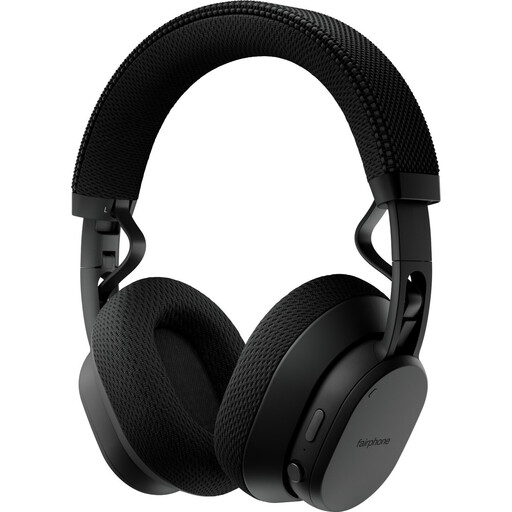 No image available
An option for listening from a phone if you want to switch between noise cancellation and a mode that lets you hear ambient sound.
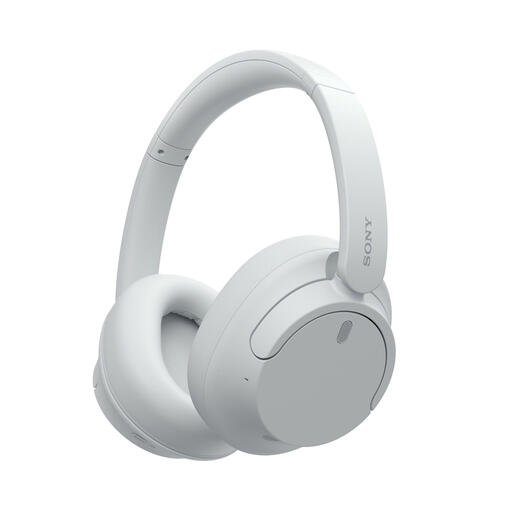 No image available
A good fit for listening from a phone when background noise is distracting and you’d also like to use an ambient sound mode.
Sony quotes up to 35 hours with ANC on and 50 hours with ANC off; these are manufacturer figures for this model.
 No image available
An option if you want to play your own files without a phone and are looking for an open-ear design. Bear in mind that background noise will also come through.
The product name lists Bluetooth, an MP3 player and 32 GB of storage. Check the exact version and whether your files can be transferred and played.
 No image available
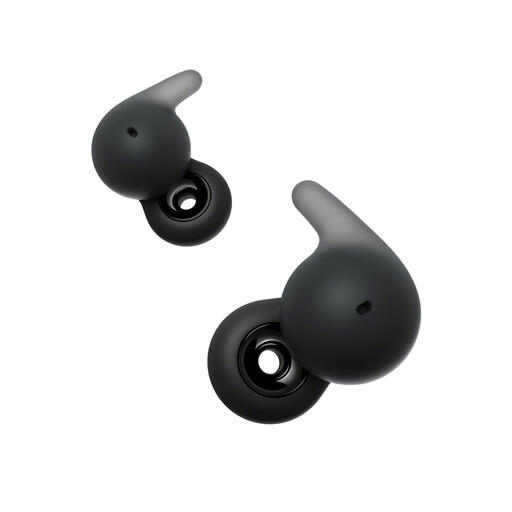
A good fit for listening from a phone if you want an open-ear design and to stay aware of ambient sound.
Bear in mind that an open design lets in background noise, which can make podcasts harder to follow in a noisy environment.
Yes, if your phone can play the file locally and is paired with the headphones. VideoLAN explains that VLC for Android can play local audio files; the file is stored on your phone, not automatically on the headphones. Check that your device and file type are supported.
Don’t assume you can. A download in an app isn’t automatically a separate file that you can transfer to a standalone player. Shokz says files can be transferred to the OpenSwim Pro using the supplied cable; Bluetooth isn’t the transfer method.
According to Shokz, connect the OpenSwim Pro using the supplied magnetic cable and transfer supported audio files. Shokz lists MP3, FLAC, WAV, AAC and M4A, among other formats. Check that your files meet the supported formats and requirements. Transferring music over Bluetooth isn’t supported.
Make sure the fit is good and keep the volume moderate. The World Health Organization lists well-fitting noise-cancelling headphones as one way to make you less likely to turn the volume up in noisy surroundings. The effect also depends on listening time and sound level.
According to the Dutch government, you can listen hands-free while driving, but you must not hold a mobile device. The government recommends keeping the volume low or using one earbud so you can hear your surroundings. Pull over before using a phone in your hand.
ACM ConsuWijzer says that online purchases generally come with a 14-day cooling-off period after delivery, with some exceptions; an exception may apply to opened hygiene products. Separately, the retailer remains responsible under the legal guarantee if a product doesn’t do what you could reasonably expect under normal use. A manufacturer’s warranty doesn’t replace these legal rights.