
Reader of letter scans
You want to zoom in on small handwritten details in digitised letters and move quickly between pages. The Consumentenbond discusses how easy it is to zoom in on PDFs on a tablet; try it out with one of your own scans too.


For digitised letters and PDF scans, a colour tablet is a practical choice if you regularly zoom in on details or want to use notes alongside the source. The Consumentenbond notes that zooming in on PDFs is easier on a tablet than on an e-reader. A large e-reader may be better for reading files you already have for extended periods, although some PDF functions are limited. For original letters, no device can replace access to the collection: check the rules of the relevant reading room first.
You want to zoom in on small handwritten details in digitised letters and move quickly between pages. The Consumentenbond discusses how easy it is to zoom in on PDFs on a tablet; try it out with one of your own scans too.
You want to compare the letter with your transcription or notes, and need enough screen space and a stylus that suits the way you work. Check the exact model and what’s included in the box before relying on it.
You’re visiting to see original letters and want to find out in advance where the material is held, what access is available and what you’re allowed to do. For example, the KB says its letter collection is consulted in the Special Collections reading room; rules may vary between institutions.
Test the display with a representative letter scan, then weigh up screen space, reading time and portability.
Best for: regularly zooming in on scans and switching between files or apps as you work.
Trade-off: a larger screen gives you more room to view a page, but takes up more space on your desk and in your bag.
Best for: reading files you’ve already put on the device for extended periods.
Trade-off: Rakuten Kobo describes PDF features such as zooming and panning, but also notes limitations with selecting text and changing its size.
Best for: viewing physical letters rather than reading your own digital scans.
Trade-off: a tablet can’t replace access to the original. The KB’s rules apply to that institution and don’t automatically apply to other reading rooms.
| What matters | What should you check? | Who is this important to? |
|---|---|---|
| Reading details in scans | Try zooming, panning and turning pages in the PDF app or on the website you plan to use. | If I’m reading small lettering or irregular handwriting, I want to zoom in without losing the overall view. Around 33% of consumers put scan legibility first. |
| Using a letter and transcription side by side | Check that the screen space and your note-taking app suit the way you work; also check whether a stylus is included with that exact model. | When I compare the source with my transcription, I need room to refer back to it and make notes. Around 27% of consumers say transcription is their main need. |
| Reading digital files for extended periods | Try one of your own letter PDFs and check how you can transfer it to the device and which PDF functions are available. | If I mainly read files I already have and rarely switch between apps, I prioritise reading for extended periods. Around 20% of consumers say this is their main need. |
| Portability and purchase | Compare the weight with the space you need, and check which accessories are included with the exact model. | When I take the device to a reading room, I don’t want to pay for screen space or accessories I won’t use. Around 20% of consumers put portability and purchase considerations first. |
The KB says its letter collection can be consulted in the Special Collections reading room. A tablet on its own doesn’t give you access to the originals.
First find out where the item you’re interested in can be consulted and whether a digital version is available.
PDF functions may work differently from those for a flowing e-book. For the PDF functions it describes, Rakuten Kobo notes limitations including selecting text and changing its size.
Try a representative letter PDF on the device you’re considering before choosing a screen type.
What’s in the box and stylus support may vary by model. Lenovo offers the Tab Pen Plus as an add-on for the Idea Tab Pro ZAE40020SE.
If you want to write with a stylus, check the full model code, compatibility and box contents.
Depending on the model, you may need to buy a compatible stylus separately.
The National Archives prohibits photography or scanning of material with restricted public access. What you’re allowed to do therefore also depends on the status of the specific item.
Read the institution’s rules before your visit and check the access status of the material.
The 11-inch iPad (A16) is a colour tablet for viewing scans and taking notes in tablet apps.
Samsung says the Galaxy Tab S10 FE+ has a 13.1-inch screen, which may be useful if you need plenty of room to view a scan.
The Idea Tab Pro ZAE40020SE is an Android tablet model for reading alongside other tasks.
The Elipsa 2E is an e-reader alternative for people who mainly read their own files for extended periods.
This Joybuy selection focuses mainly on colour tablets for viewing scans and taking notes. It also includes an E-Ink tablet for anyone who wants to read for extended periods and make notes.
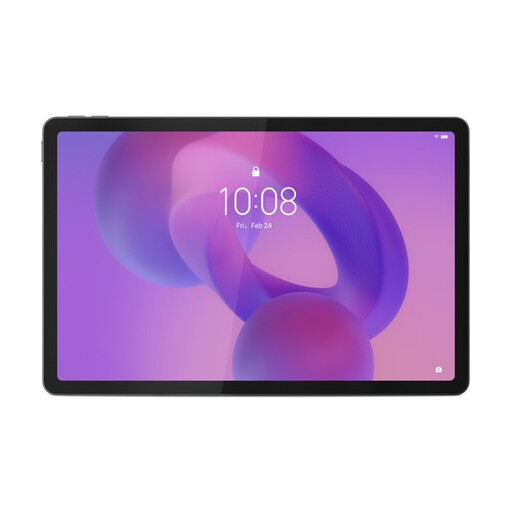 Image unavailable
The 12.7-inch screen may suit viewing a letter scan alongside your notes; check that your own scan and note-taking app work well together.
The product title lists a 12.7-inch 3K touchscreen, 8 GB RAM, 256 GB of storage and Wi-Fi 6E.
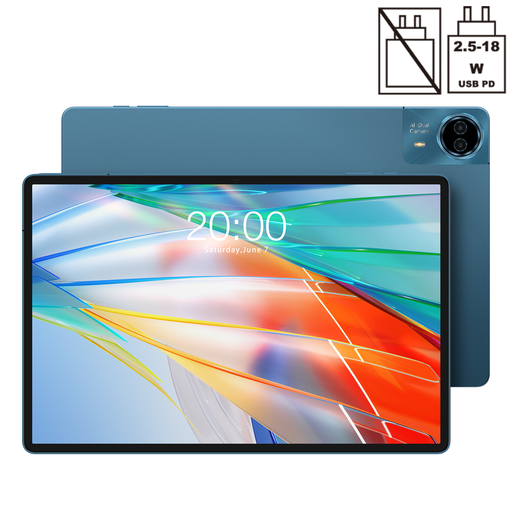 Image unavailable
The 14-inch size is worth considering if you want plenty of screen space for digital pages; try the PDF display and controls with one of your own letter scans.
The product title lists a 14-inch 2.2K screen with 2240 × 1400 pixels and 128 GB of storage.
 Image unavailable
The product title says a stylus is included; check that it works with the note-taking app you want to use.
The title lists a 12.7-inch 2K screen, 20 GB RAM (8 GB + 12 GB virtual) and 256 GB of storage.
 Image unavailable
The 11-inch size may suit viewing digital scans in a reading room; check that your reading app has the PDF display features you need.
The product title lists Wi-Fi + Cellular and 256 GB of storage.
 Image unavailable
The E-Ink model with note-taking features may suit reading for extended periods and making notes; try a representative letter PDF first.
The product title lists a 10.65-inch screen.
No, you don’t need a tablet to view the letters. The KB says its letter collection is consulted in the Special Collections reading room; a KB annual pass is required for that reading room under the KB regulations.
Not of every item: the National Archives prohibits photography or scanning of material with restricted public access. Check the rules, the status of the specific item and whether you’re allowed to use your equipment in that particular room before you go.
Try a letter PDF that you’re allowed to use on the device itself. Rakuten Kobo describes features for zooming, panning and rotating PDFs, but also notes limitations such as being unable to select text or change its size.
Check whether a stylus, case or charger is included with the exact model you’re buying. According to the Dutch government, online purchases often come with a 14-day cooling-off period; exceptions and the seller’s information are also relevant.