
Regular off-centre viewer
You often watch from the end of the sofa and want the picture and colours to look convincing from there.


If you often sit at an angle to the TV and want to see dark scenes clearly, OLED is a sensible place to start comparing. According to the Consumentenbond, OLED TVs generally offer wider viewing angles and deeper blacks than LCD TVs. In a bright living room, brightness and reflections may matter more, so assess a specific LCD, QLED or Mini LED model from your own seat and under similar lighting conditions.
You often watch from the end of the sofa and want the picture and colours to look convincing from there.
You mainly watch in the evening and pay attention to black levels and detail in dark scenes.
You also watch during the day and want to weigh up brightness and reflections against good off-centre viewing.
A good fit when: you often watch from an off-centre seat and contrast in dark scenes matters.
Keep in mind: compare brightness and reflections too if there’s a lot of daylight in the room.
A good fit when: you watch in a bright room and find a specific model that also looks good from the side.
Keep in mind: QLED is LCD, and the Mini LED label alone doesn’t tell you how the picture will look from your seat.
| What to consider | What to look for when buying | Who is this important for? |
|---|---|---|
| Picture from the side | Compare the same scene from the centre and from your own seat; look for consistent colours and contrast. | If I often sit at the end of the sofa, I want the picture to remain clear and enjoyable from there. Around 36% of consumers give viewing angle top priority. |
| Dark scenes | Watch dark interiors and clothing from both the side seat and directly in front of the screen; OLED pixels produce their own light, without LCD backlighting. | When watching historical dramas, I want to be able to follow shadows and dark costumes. Around 29% of consumers prioritise retaining contrast and detail in dark scenes. |
| Daylight and reflections | Compare TVs in lighting similar to your living room and check for reflections from the seat you plan to use. | If I also watch during the day, I want to take both incoming light and the picture from the side into account. Around 21% of consumers prioritise performance in a bright room. |
| Size and positioning | Measure your viewing distance and check the dimensions with the stand, or the VESA size for wall mounting, for the exact model. The Consumentenbond suggests around 2.4 times the screen diagonal as a comfortable starting point, not a fixed rule. | If I watch from a regular off-centre seat, I want the screen to suit the distance and layout at home. Around 14% of consumers give size and positioning top priority. |
QLED is LCD; any potential gain in brightness doesn’t automatically tell you how that particular screen looks from the side. The Consumentenbond says OLED TVs generally have wider viewing angles than LCD TVs.
Compare the exact model showing the same scene from the centre and from your own seat.
An additional warranty and your statutory rights are not the same thing. ACM ConsuWijzer distinguishes commercial guarantees from the rights you have against the seller.
Before buying, check exactly what situations an additional warranty covers.
Extra cover could be an unnecessary expense if it doesn’t offer relevant additional protection.
LG offers OLED models in the B6E and C6 series, among others, for comparison from an off-centre seat.
Philips offers OLED and Mini LED models with Ambilight, giving you different options to compare side by side.
The BRAVIA 8 II K-65XR8M2 is a 65-inch OLED model to consider if that size suits your room.
The Dutch range includes OLED, Neo QLED and Mini LED options, letting you weigh up room lighting and off-centre viewing.
These OLED TVs are worth comparing when viewing angle and dark scenes are key considerations. Assess your chosen size and picture from your own seat too.
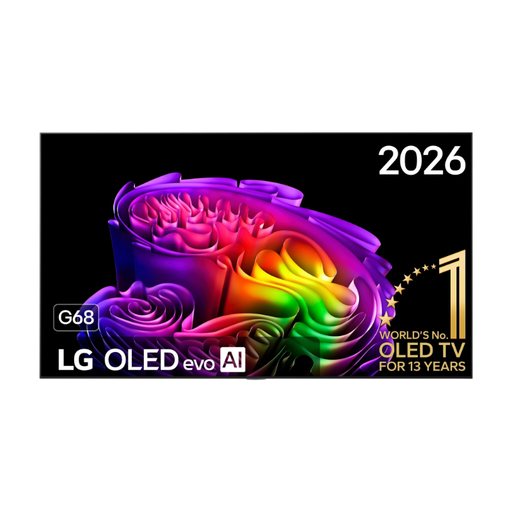 No image available
An OLED model to assess from an off-centre seat if you also watch dark scenes.
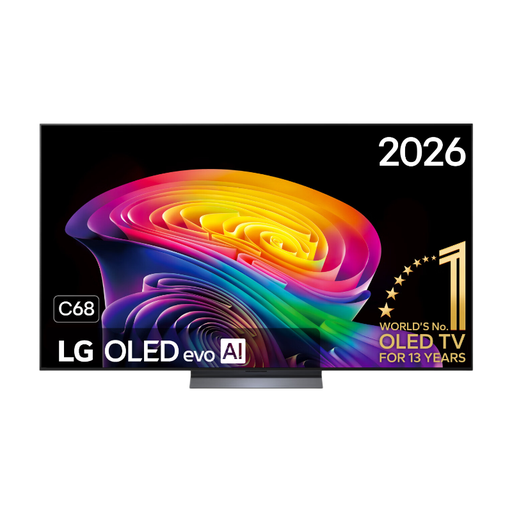 No image available
A 65-inch OLED model to compare from your own off-centre seat, particularly if dark scenes matter to you.
65-inch; OLED evo; 4K.
No image available
A 55-inch OLED model to assess at your intended viewing distance and from your off-centre seat.
55-inch; OLED evo; 4K.
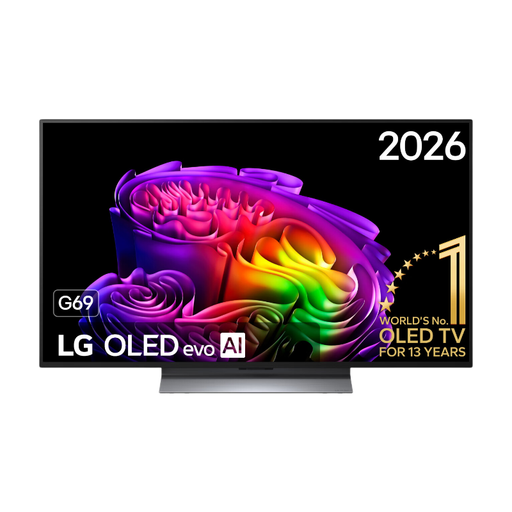 No image available
A 48-inch OLED model to compare if the available space or viewing distance is a factor.
48-inch; OLED evo; 4K.
No image available
A 55-inch OLED model to view from your off-centre seat if wall mounting suits your setup.
55-inch; OLED evo; 4K. The product description for this model does not list a table stand and specifies integrated wall mounting.
No, OLED isn’t automatically the right choice for every room. The Consumentenbond says OLED TVs generally offer wider viewing angles and deeper blacks, but if there’s a lot of daylight, compare the brightness and reflections of specific models from your seat too.
Measure the distance from your seat to the planned TV position and assess the size from there. The Consumentenbond suggests around 2.4 times the screen diagonal as a comfortable starting point, not a fixed rule for every room or off-centre seat.
Check the dimensions with the stand for placing it on furniture, and the VESA size for wall mounting. Use the details for the exact model: Sony, for example, lists them separately for the K-65XR8M2, and the measurements don’t automatically apply to another model.
Follow the cleaning instructions for your specific screen and take care to avoid scratches. LG’s support information warns that the screen surface can be damaged.
No. ACM ConsuWijzer distinguishes commercial guarantees from your statutory rights against the seller. Check exactly what situations an additional warranty covers.