
Vandaag of morgen in huis

Kwaliteit gegarandeerd

Welkomstaanbiedingen ontgrendelen: GRATIS bezorging | Tot 80% korting | Gratis 30 dagen JoyPlus-proefperiode
Download de app
A great hike starts with your feet. Blisters, sweaty feet, or the cold can quickly ruin an otherwise perfect trek. The right socks are just as important as good shoes, but the sheer number of options can be overwhelming. As a Joybuy Product Recommendation Officer, I'm here to help you separate fact from marketing fiction. In this guide, we'll break down the specifications of different types of hiking socks so you can make an informed decision that suits your feet and your activities.
Before we dive into specific products, it's helpful to understand which features truly matter. Pay close attention to the following three points.
A sock's performance is largely determined by its material. Cotton is fine for daily wear, but it's less suitable for active pursuits because it retains moisture. These are more popular choices:
A proper fit prevents friction and, therefore, blisters. A seamless design, especially at the toes, significantly reduces the risk of irritation. Also, look for extras such as:
Not every activity requires the same type of sock. A thin, breathable sock is ideal for a summer walk, while a winter sports holiday calls for thicker ski socks with good insulation. So, carefully consider what you'll primarily be using the socks for.
Based on product specifications and functionalities, we've compiled a list of compelling options for you.
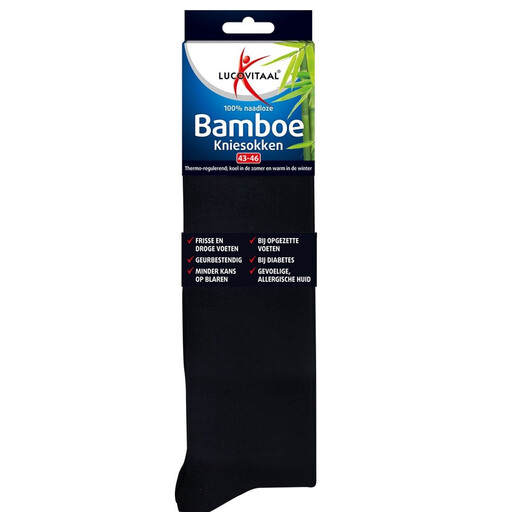
Why It Stands Out These knee-high socks from Lucovitaal are made from a high percentage of bamboo fibre. According to the manufacturer, this makes the socks exceptionally soft, hypoallergenic, and antimicrobial, rendering them highly suitable for people with sensitive skin.
Key Features
Who Is It For? These socks are an excellent choice for those seeking ultimate comfort for daily use or light activities. Due to the hypoallergenic properties claimed by the manufacturer, they are particularly interesting for people with sensitive feet.
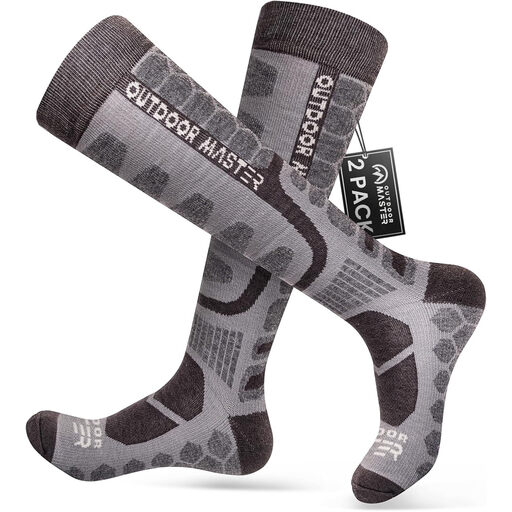
Why It Stands Out These ski socks from OutdoorMaster combine the benefits of merino wool with the functionality of compression socks. They are designed to provide support and warmth during intense winter sports activities.
Key Features
Who Is It For? Ideal for skiers and snowboarders looking for technical outdoor socks. Also suitable for hikers who desire extra warmth and muscle support in cold conditions.
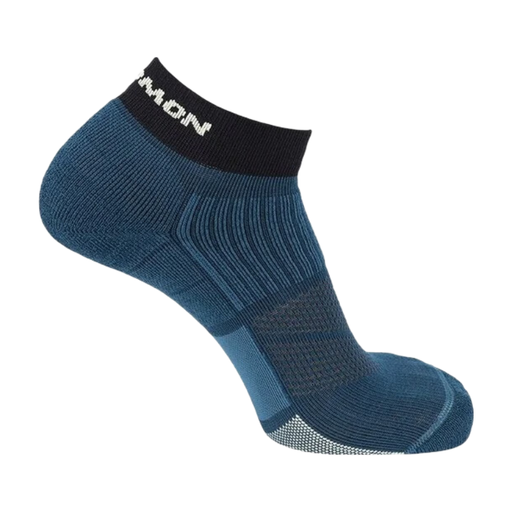
Why It Stands Out The Salomon X Ultra ankle socks are designed for all-around performance. They focus on breathability and comfort through a smart combination of materials and strategically placed functional zones.
Key Features
Who Is It For? A versatile sock for hikers, runners, and anyone with an active lifestyle who needs a reliable, breathable sock for a wide range of conditions.
These recommendations are geared towards specific activities and needs. If you're primarily looking for maximum comfort and warmth for relaxing moments at home, a different type of sock might be more suitable.
For those seeking extra warmth and comfort at home, check out our selection of cozy thigh-high socks.
Hiking socks are distinguished by their material, fit, and functionality. Unlike many regular (cotton) socks, they are made from moisture-wicking materials like merino wool or synthetic fibres. They often feature a seamless design, extra cushioning in strategic areas, and an anatomical fit to prevent friction and blisters.
Yes, bamboo socks can be a good choice for hiking, especially for people with sensitive skin. The material is very soft and, according to manufacturer claims, has natural thermoregulating and moisture-absorbing properties. However, for very intense or technical treks, a blend with merino wool or synthetic fibres may offer more support and durability.
Merino wool socks require a bit more care than cotton socks to maintain their properties. It's recommended to turn them inside out and wash them on a cold or lukewarm wool cycle. Use a mild detergent and avoid the tumble dryer. Let them air dry to prevent shrinkage and damage to the fibres. Thanks to their natural odour resistance, you'll need to wash them less frequently than other socks.
