
Vandaag of morgen in huis

Kwaliteit gegarandeerd

Welkomstaanbiedingen ontgrendelen: GRATIS bezorging | Tot 80% korting | Gratis 30 dagen JoyPlus-proefperiode
Download de app
A great hike starts with the right boots. But the market for hiking boots is flooded with marketing jargon and technical specs that often confuse more than they clarify. The result? Many people end up with expensive boots that cause blisters, pain, or wet feet after just a few treks. As a Product Recommendation Officer at Joybuy, I cut through the noise and help you focus on what really matters. Let's look at the three most common pitfalls and how to avoid them.
Many boots are marketed as "waterproof," but this is often a temporary coating that loses its effectiveness after a few hikes in the rain or through wet grass. Your feet still get wet and cold, which quickly ruins the hiking experience. A durable solution is a boot with a built-in waterproof membrane.
A common mistake is choosing a boot based on looks instead of function. A low-cut boot offers insufficient ankle support on uneven terrain with a backpack, increasing the risk of sprains. Conversely, a high, stiff mountain boot is unnecessarily heavy and warm for a short walk on flat trails.
The bottom of the boot is arguably its most important part. A sole without a proper tread offers insufficient grip on muddy forest paths, slippery rocks, or steep slopes. This not only leads to slipping but also forces your muscles to work harder, causing fatigue more quickly.
To avoid buyer's remorse, focus on these three concrete specifications. They determine the comfort, durability, and safety of your outdoor footwear.
A coating is a layer on the outer fabric that repels water. This wears off. A membrane is a physical layer inside the boot that blocks water molecules from the outside but allows water vapour (sweat) to pass through from the inside.
Hiking boots are often classified into categories that indicate their stiffness and ankle support.
The outsole determines your grip, while the midsole provides cushioning.
Below are some popular choices, matched with specific hiker profiles. We show how these models sidestep the pitfalls mentioned earlier.
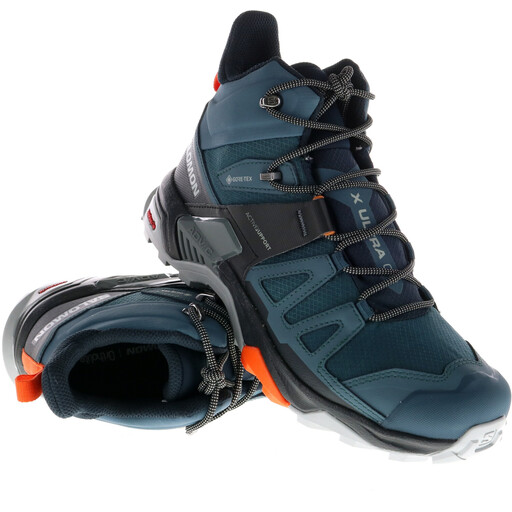
Why This Fits Their Persona: Ideal for those who regularly take longer hikes through coastal paths, forests, or rolling hills. This boot offers the perfect middle ground for most UK hiking conditions.
The mid-height cuff (Mid) provides ankle support without the stiffness of a heavy mountain boot. The GORE-TEX membrane ensures reliable waterproofing, not a temporary coating.
The Contagrip MA outsole is designed for grip on both wet and dry surfaces. The boot is relatively lightweight for its category, which helps combat fatigue on long days.

Why This Fits Their Persona: Built for multi-day treks with a heavy backpack. The focus is on maximum stability and durability for demanding terrain, such as in the Alps or Scandinavia.
The high collar and reinforced structure provide the crucial ankle support needed when carrying weight, a pitfall where lighter boots fall short. The suede leather is more durable than synthetic materials.
Specifically designed for backpacking. The combination of a GORE-TEX membrane, a robust leather upper, and an extra-supportive construction provides security on long journeys.
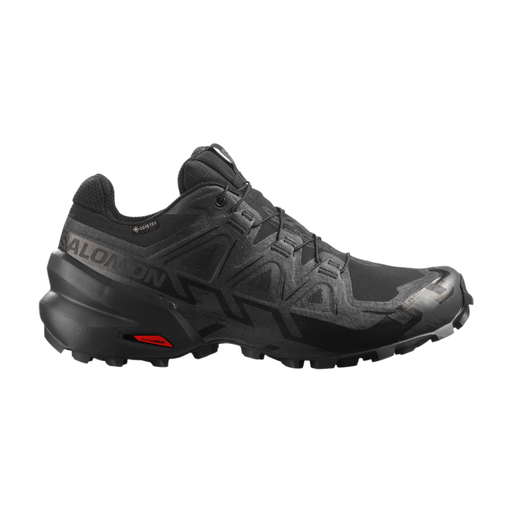
Why This Fits Their Persona: Designed for speed and agility on technical, soft, and muddy trails. This isn't a traditional hiking boot, but a specialist for those who want to pick up the pace on unpaved terrain.
The sole is the star. Where all-around hiking boots can lose grip on mud, the Speedcross's aggressive tread digs in. This avoids the pitfall of an 'all-terrain' sole that doesn't truly excel anywhere.
Exceptional grip on soft ground thanks to the deep lugs of the Contagrip sole. The shoe is lightweight and has a snug fit for maximum control.
The right boot is a personal choice. We've compiled a complete, up-to-date list of products that meet these objective selection criteria.
The lifespan depends on usage, terrain, and materials, but a general guideline is 500 to 750 miles (800 to 1,200 kilometres). Look for clear signs of wear: a tread that's becoming smooth, a midsole that stays compressed and no longer springs back, or cracks in the upper material. These are signals that it's time for a replacement to ensure cushioning and grip.
Usually, yes. Your feet swell during a long hike. A good rule of thumb is to leave about a thumb's width (0.4 to 0.6 inches or 1 to 1.5 cm) of space between your longest toe and the front of the boot. Preferably, try on boots at the end of the day when your feet are slightly larger, and wear the hiking socks you would normally use.
