
Vandaag of morgen in huis

Kwaliteit gegarandeerd

Welkomstaanbiedingen ontgrendelen: GRATIS bezorging | Tot 80% korting | Gratis 30 dagen JoyPlus-proefperiode
Download de app
Choosing the right hiking boots can be the difference between an enjoyable trek and a day of discomfort. The market is flooded with technical jargon and marketing promises that make it difficult to make an informed choice. Many hikers fall into the same traps, resulting in boots that underperform or wear out quickly.
Before you invest in a new pair, it's wise to understand the most common missteps:
By recognising these pitfalls, you can search more effectively for a boot that truly matches your hiking style.
To avoid a bad purchase, it's important to look past the marketing and focus on a few key specifications. These determine the performance and durability of your boots.
For hiking in the UK, waterproof hiking boots are not an unnecessary luxury. The most well-known technology for this is GORE-TEX. A GORE-TEX membrane contains billions of microscopic pores that are too small for water droplets to penetrate but large enough to allow water vapour (sweat) to escape. This keeps your feet dry from the outside while helping them breathe. Although some brands develop their own waterproof technologies, GORE-TEX remains a reliable and verifiable industry standard.
The outsole determines the boot's grip and stability. An "all-terrain" sole is often a compromise. Brands like Salomon hiking boots often use specialised soles, such as their Contagrip technology. These soles are developed with specific rubber compounds and lug patterns for different surfaces, like mud, wet rocks, or hard-packed trails. Therefore, check carefully whether the sole's tread is suitable for the terrain you'll be walking on most.
The height of the boot affects ankle support and flexibility. The choice depends on your type of activity.
Based on objective specifications, we have selected a few models that suit different types of hikers.
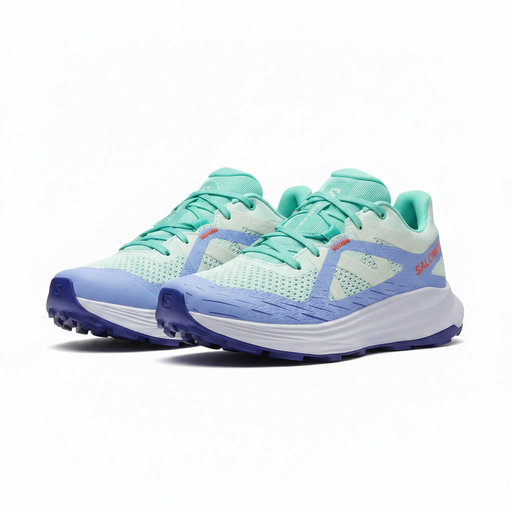
Why This Fits Their Persona: Ideal for those who switch between forest paths, paved roads, and light trails. The lightweight and breathable design offers comfort for day trips in most UK seasons.
This boot avoids the trap of unnecessary technology. You pay for comfort and versatility you'll actually use, not for extreme features.
Lightweight construction for agility; breathable mesh upper keeps feet cool.
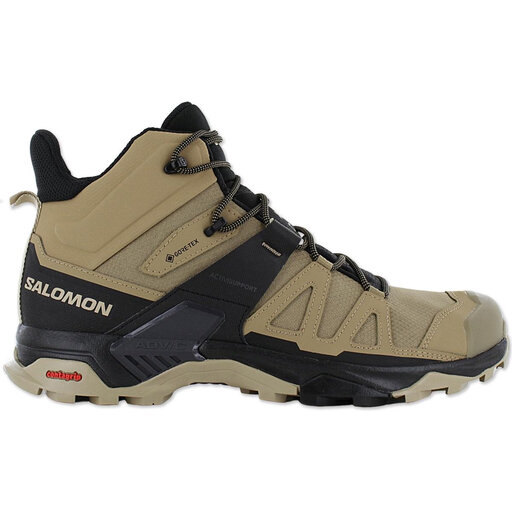
Why This Fits Their Persona: For the hiker who is out on the trail year-round, regardless of the weather. Suitable for more challenging terrain like the Peak District or the Scottish Highlands, even during a downpour.
Tackles the "false waterproof" trap head-on. The GORE-TEX lining is a reliable standard that keeps your feet dry, while the mid-cut height provides genuine ankle support.
GORE-TEX membrane for waterproofing; Contagrip MA sole for grip on wet and dry surfaces.
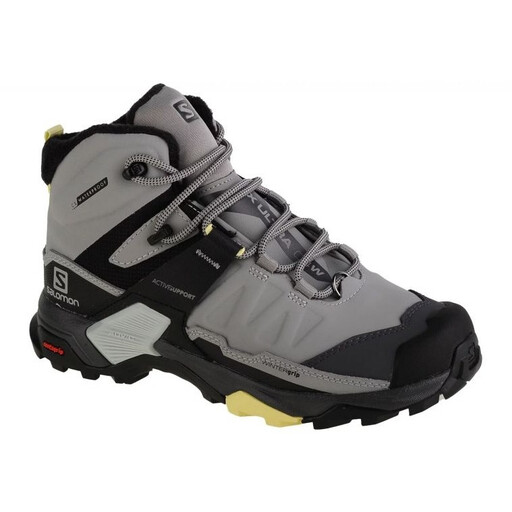
Why This Fits Their Persona: Specifically designed for those who hike in the cold, snow, and on slippery surfaces. Ideal for winter treks in hilly areas or a holiday in a colder region.
Debunks the "all-terrain" myth by specialising. The Thinsulate insulation and Winter Contagrip sole are specifically designed for cold and slippery conditions.
Thinsulate insulation for warmth; special winter sole for reliable grip on snow and ice.
We have compiled a complete, real-time list of products that fully satisfy these strict selection criteria and UK safety regulations.
The lifespan of a GORE-TEX membrane depends heavily on use and maintenance. With regular use and proper care, a membrane can last for several years. Its biggest enemy is dirt; sand and mud can damage the membrane over time. It is therefore important to clean your boots with a brush and water after a hike. Let them dry naturally, away from a direct heat source like a radiator.
Trail running shoes are designed for running on unpaved paths. They are lighter, more flexible, and have a less rigid sole to allow for quick foot turnover. Hiking boots are generally sturdier and offer more support and stability, especially the mid- and high-cut models. They are built to provide comfort over longer distances, often with a heavier pack.
In many cases, this is a good idea. While hiking, and especially when descending, your foot slides forward slightly in the boot. Additionally, your feet can swell slightly throughout the day. To prevent your toes from hitting the front of the boot, it is often recommended to buy hiking boots a half to a full size larger. A good rule of thumb is to have about a thumb's width of space between your longest toe and the front of the boot. It's best to try on boots at the end of the day, when your feet are slightly larger.
