
Vandaag of morgen in huis

Kwaliteit gegarandeerd

Welkomstaanbiedingen ontgrendelen: GRATIS bezorging | Tot 80% korting | Gratis 30 dagen JoyPlus-proefperiode
Download de app
A hiking backpack needs to do more than carry your belongings. On a day walk in the Netherlands, you may encounter changeable weather, muddy paths and long stretches of tarmac. During a multi-day hike, the way your gear is distributed also matters. A backpack that looks light, spacious or waterproof on paper can still be impractical in real life.
That is why the product information matters more than eye-catching marketing terms. Pay particular attention to carrying comfort, capacity, fit, materials and how water resistance is achieved.
A 45-litre backpack may seem appealing because you can take everything with you. However, a larger bag quickly becomes too heavy when fully loaded. For a day walk, a hiking backpack of around 20 to 30 litres is often more practical. For two to three days, 40 or 45 litres may be suitable, depending on your tent, sleeping bag, cooking equipment and clothing.
So do not look only at the maximum capacity. First decide what you actually want to take with you.
A lightweight backpack is not automatically suitable for carrying heavy loads. Thin materials and minimal shoulder straps may feel comfortable when the bag is empty, but offer less support when carrying a lot of camping equipment.
Check whether the model has a hip belt, sternum strap and adjustable shoulder straps. An internal frame can help distribute the weight more effectively. According to the PELLIOT Trekking Backpack product information, its built-in aluminium frame is designed to transfer the load to the hips. That is a product specification, not a guarantee that the bag will be comfortable for every body shape.
A waterproof backpack can be useful in the rain, but check exactly what the manufacturer means. Water-repellent fabric, waterproof compartments and fully sealed seams are different features. Zips and open pockets can also be weak points.
For valuable electronics or sleeping gear, consider using a separate dry bag. A foldable backpack is convenient to store compactly, but check carefully whether the bag is designed for carrying heavy loads over long periods.
Use the guide below as a practical starting point:
The stated capacity may be measured differently by each brand. Therefore, also compare the dimensions, compartment layout and external attachment points.
A hiking backpack should sit securely against your back without the shoulder straps pulling at your neck. Look for:
The PELLIOT 40L is listed in the product description as available in sizes S/M and L/XL, with corresponding torso lengths and waist belts. Measure your torso length from the prominent bone at the base of your neck to the top of your hip bones. This provides a better basis for choosing than relying on height alone.
Nylon, polyester and Dyneema composite each have their own properties. Look at the stated abrasion resistance, weight and care instructions. According to the product information, the Mobi Garden Phantom Pro uses Dyneema composite, a 3D-ventilated back panel and a separate water-resistant hydration bladder cover. Its stated weight is approximately 1.35 kg with a capacity of 45 litres.
Also consider maintenance. Some models may only be cleaned with a damp cloth and must not be put in the washing machine. Sharp walking poles, tent pegs or cooking equipment can damage thin fabrics, even when a material is described as strong or tear-resistant.

Why it suits this profile: The product name describes this as an ultralight, foldable model for hiking. That makes it suitable as a compact day bag, spare bag or travel backpack.
The foldable design means you do not need to buy a large, heavy bag for occasional walks. However, check the stated load capacity before packing camping equipment.
According to the product name: 30D nylon, ultralight, foldable and designed as a waterproof hiking backpack.
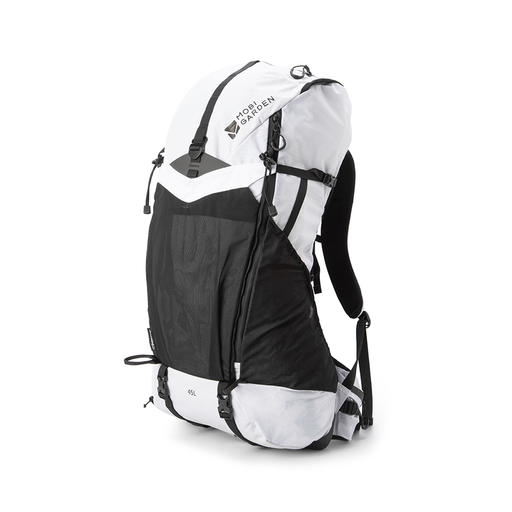
Why it suits this profile: According to the product information, this model is designed for backpacking, hiking and trekking, with a 45-litre capacity and several attachment points for equipment.
The stated capacity, hip belt and sternum strap make it easier to assess how the load will be distributed. At the same time, the manufacturer advises avoiding sharp objects and overloading.
45-litre capacity, 3D-ventilated back panel, separate water-resistant hydration bladder cover and external attachment points for items including walking poles.
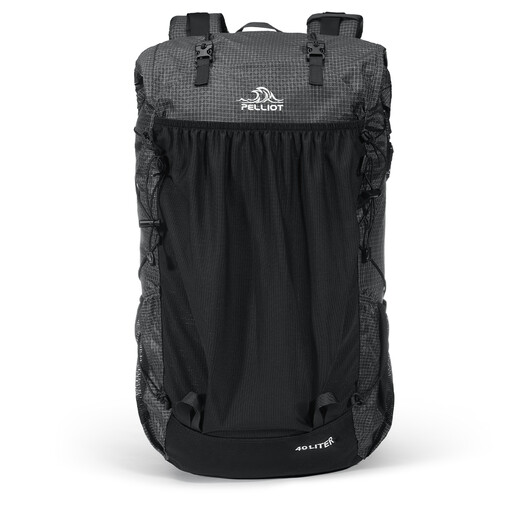
Why it suits this profile: According to the product description, this 40-litre trekking backpack is designed for two to three days of hiking, camping and travel, with a stated weight of approximately 1.06 kg.
The choice of S/M or L/XL sizes and the stated torso lengths help prevent you from choosing based on capacity alone. Adjust the bag with a realistic load and check the fit.
Built-in aluminium frame, breathable EVA back panel, hip belt pockets, walking pole loops and a stated load capacity of approximately 11 kg.
We have put together a complete, up-to-date list of products that fully meet these strict selection criteria and the applicable European safety regulations.
A travel backpack without properly adjustable straps may be perfectly adequate for short distances, but is less suitable for carrying over long periods. Also check whether the back panel provides enough ventilation when walking in warmer conditions.
For a day walk, 20 to 30 litres is often enough. Choose around 40 litres for two to three days and 45 litres when taking extra camping equipment. Your packing list and the option to use lightweight gear are more important than capacity alone.
Its lifespan depends on the materials, seams, zips, load and maintenance. Avoid overloading, dry the bag after a wet walk, and store it clean and dry. Follow the manufacturer’s care instructions; some models must not be washed or exposed to direct sunlight for long periods.
Not always. For day walks, water-repellent material may be sufficient if you pack vulnerable items separately for extra protection. For camping or prolonged rain, a waterproof inner bag, rain cover or dry bag can be practical additions. Always check whether the product information describes full waterproofing or protection against splashes only.
