
Vandaag of morgen in huis

Kwaliteit gegarandeerd

Welkomstaanbiedingen ontgrendelen: GRATIS bezorging | Tot 80% korting | Gratis 30 dagen JoyPlus-proefperiode
Download de app
A hiking backpack needs to do more than just carry your belongings. Whether you’re walking in the Veluwe or the Ardennes, or heading out on a multi-day trek, you’ll soon notice whether the fit is right, the compartments are practical and the material can stand up to rain and abrasion. A model that looks roomy in a product photo may prove uncomfortable to carry or simply too heavy in use.
As a Joybuy Product Recommendation Officer, I’ve picked out the key product specifications and common pitfalls to help you compare your options more easily.
A 30-litre hiking backpack may be suitable for a day hike, but its usable capacity also depends on its shape and layout. A deep main compartment without external pockets may be less practical than a slightly smaller bag with well-organised storage.
For two to three days, a 40- to 45-litre trekking backpack is often a good choice. A 50-litre hiking backpack offers more room for camping gear, clothing and food, but it can also be heavier and bulkier. Choose based on the gear you’ll be carrying, not just the biggest number.
Terms such as water-repellent, splash-resistant and weather-resistant don’t automatically mean a bag will keep out prolonged rain. Check whether it comes with a rain cover, sealed seams or a waterproof inner pocket.
A separate hydration bladder compartment, as found on some trekking models, won’t necessarily protect the rest of your gear. If in doubt, put electronics, documents and sleeping gear in a separate dry bag.
A lightweight backpack is appealing for walks where every gram counts. However, thin material or a limited support system may not be suitable for a heavy camping load. Check the stated load capacity, the weight of the bag and whether it has a hip belt.
According to the product information, the PELLIOT 40L has a stated load range of around 11 kg. No comparable maximum load is given for the Mobi Garden Phantom Pro 45L. That doesn’t mean it’s unsuitable, but it does mean you should compare options particularly carefully if you’ll be carrying a heavy load.
Use this practical guide:
Look at the access to the main compartment, side pockets, hip belt pockets and attachment points for walking poles or a sleeping mat. A camping backpack will usually benefit more from attachment loops and compression straps than from lots of small internal pockets.
A backpack with a hip belt transfers some of the weight to your hips. An adjustable chest strap helps keep the shoulder straps stable. For larger models, check your torso length too. The PELLIOT 40L, for example, is available in sizes S/M and L/XL, with different torso lengths and hip measurements.
A backpack with a breathable back panel can improve airflow. That doesn’t guarantee your back will stay dry: temperature, clothing, exertion and how the pack fits all play a part too. A 3D suspension back panel, ventilated mesh or an EVA panel are specific design features you can compare.
Dyneema Composite, nylon, polyester and coated Oxford fabric all have different properties. Don’t just look at the material name; also check:
The Mobi Garden Phantom Pro product information states that Dyneema Composite is lightweight and abrasion-resistant, but also warns against sharp objects and prolonged exposure to sunlight. This is useful to know if you’ll be using the bag frequently on rocky trails.
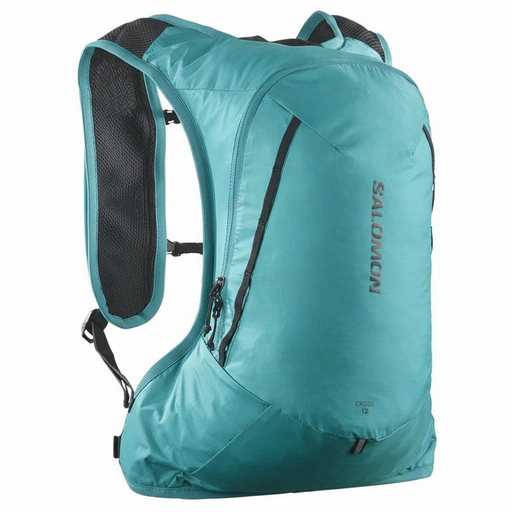
Why it suits this type of walker: With a 12-litre capacity, this is a compact hiking backpack for day hikes, trail running and everyday use. The chest straps, padded back panel and shoulder strap pockets keep essential gear close at hand.
Its capacity is clearly specified, so you won’t end up buying an unnecessarily large bag for a short walk. Bottles aren’t included, but the model is compatible with a 1.5-litre hydration system.
12 litres, padded back panel, dual chest straps and reflective buckle.
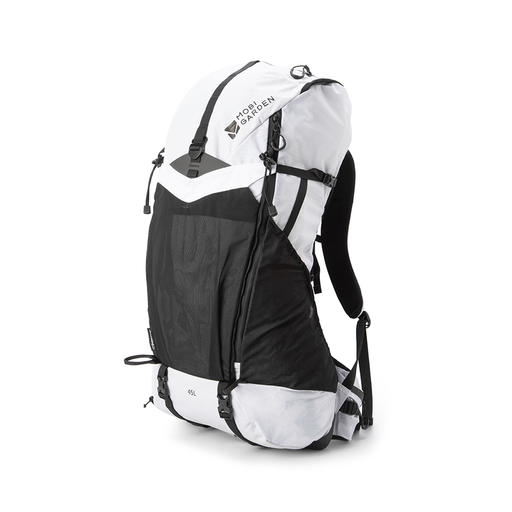
Why it suits this type of walker: This 45L trekking backpack is designed for lightweight backpacking, hiking and trekking trips of around two to three days.
The bag combines a stated weight of around 1.35 kg with a hip belt, chest strap and several attachment points. The product information does warn against sharp objects and overloading.
3D ventilated back panel, separate waterproof hydration bladder sleeve, 45-litre capacity and external loops.
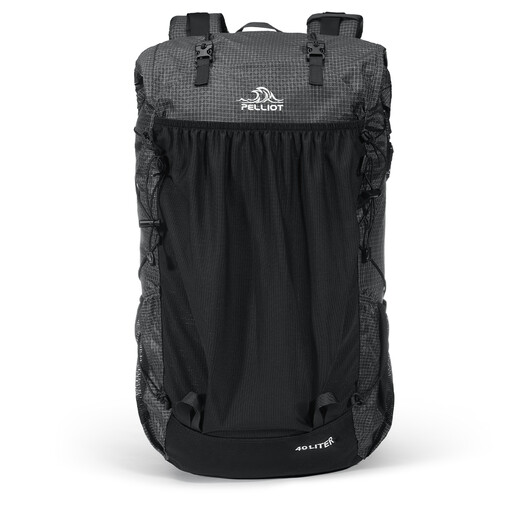
Why it suits this type of walker: Its built-in alloy frame, adjustable torso sizes and stated load range are designed for longer walks and camping with a heavier load.
Choosing between S/M and L/XL makes it easier to find the right fit for your torso length and hip belt. Be sure to check the size chart and fit before buying.
40 litres, around 1.06 kg, ventilation in the back panel and several attachment points.
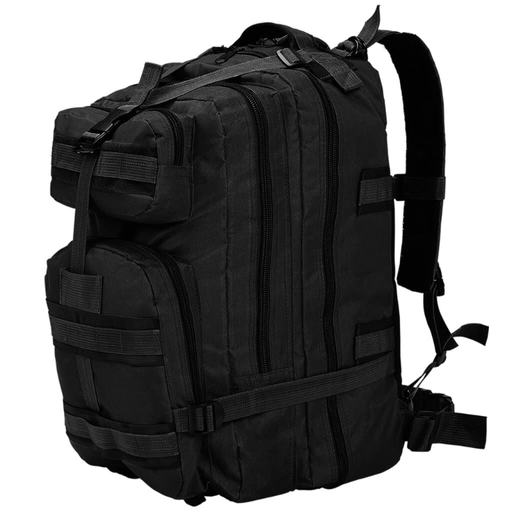
Why it suits this type of walker: This 50L outdoor backpack offers plenty of room for camping, long walks and travel when a compact daypack won’t be enough.
The bag has a chest strap, removable hip belt, compression straps and a breathable mesh back panel. Please note: the product information lists both a 50-litre capacity and a conflicting product specification of 0 litres. Check the current product page before buying.
50 litres according to the product description, four compartments, coated Oxford fabric and adjustable straps.
We’ve put together a complete, up-to-date list of products that meet these strict selection criteria and the applicable European safety requirements.
For an average day hike, 20 to 30 litres is often enough. If you’re taking lots of clothing, a camera, extra food or a sit mat, 30 litres may be more practical. For trail running or a short walk with little luggage, 12 litres may be sufficient.
A water-repellent backpack will generally protect against splashes and light rain, but it won’t necessarily keep your belongings dry during prolonged exposure. Use a dry bag for valuables and check whether a rain cover is included or available separately.
Its lifespan depends on the material, load, care and conditions of use. Clean the bag according to the instructions, dry it completely before storing it and avoid overloading it. Check the seams, zips, buckles and attachment loops regularly, especially after walks on rocky trails.
