
Vandaag of morgen in huis

Kwaliteit gegarandeerd

Welkomstaanbiedingen ontgrendelen: GRATIS bezorging | Tot 80% korting | Gratis 30 dagen JoyPlus-proefperiode
Download de app
A hiking backpack needs to be more than just spacious. The fit, weight distribution and rain protection all affect how comfortable you’ll be on the move. A cheap buy can prove impractical if the shoulder straps dig in, the back panel doesn’t ventilate well or the stated capacity doesn’t suit your kit.
A 40-litre backpack, 45-litre backpack or 50-litre backpack won’t necessarily be comfortable to carry. A 50-litre backpack with a basic back system may be less comfortable than a well-adjustable 40-litre model. So look for a hip belt, chest strap, adjustable shoulder straps and, where relevant, a frame.
A water-repellent backpack will usually protect against light rain and splashes. That’s not the same as a fully waterproof bag with taped seams or a waterproof roll-top closure. Check the product description, and use a separate rain cover or waterproof dry bags in prolonged rain, unless the manufacturer clearly states that the bag offers a higher level of protection.
A lightweight backpack is handy for long walks, but the fabric, straps and back support all have their limits. According to the product description, the Mobi Garden Phantom Pro is designed for lightweight backpacking and a suitable load. A framed backpack, such as the PELLIOT 40L, makes more sense if you regularly carry heavier camping kit.
For a day trip, 10 litres is often enough for water, a jacket, lunch and a few accessories. For a camping backpack or a backpack for multi-day hikes, you’ll usually need more capacity:
The capacity you need depends on your kit. A large main compartment isn’t always more practical if it makes smaller items difficult to find.
Check whether the hiking backpack has:
The PELLIOT Trekking Backpack lists the recommended torso length for each size: S/M for 38–46 cm and L/XL for 45–53 cm. Before choosing a trekking backpack, measure from the prominent bone at the base of your neck to the top of your hip bones.
Compare more than just the empty weight: check the storage options too. External attachment points are useful for walking poles or a sleeping mat. A separate hydration bladder compartment, side pockets and a front pocket can save time on the move.
According to the product description, the Mobi Garden Phantom Pro 3D Dyneema uses Dyneema composite fabric, nylon webbing and UT-DURAFLEX buckles. The manufacturer says the material is lightweight and tear-resistant. This is a product claim; sharp objects can still damage this type of fabric. The bag weighs around 1.35 kg according to the specifications and has a capacity of 45 litres.
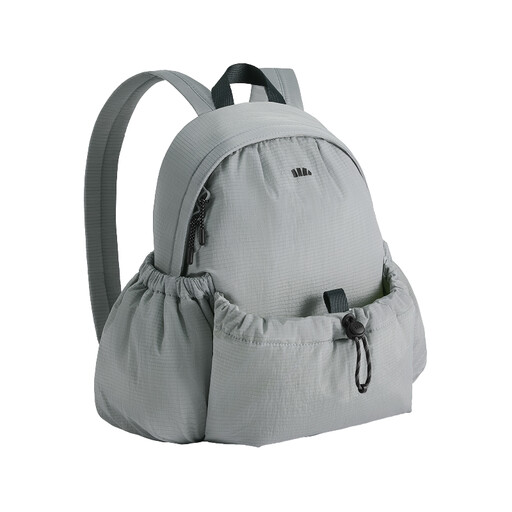
Why it suits this user: A compact choice for short walks, commuting and trips where you don’t need to carry much kit. According to the product description, its capacity can be expanded from 10 to 13 litres.
The capacity is clearly specified, and the expandable design means you don’t need a larger bag for every small change in what you’re carrying. The description mentions protection from wind, rain and stains, but that doesn’t automatically make the bag fully waterproof.
Around 235 grams, expandable capacity and compartments for documents, a laptop and personal belongings.
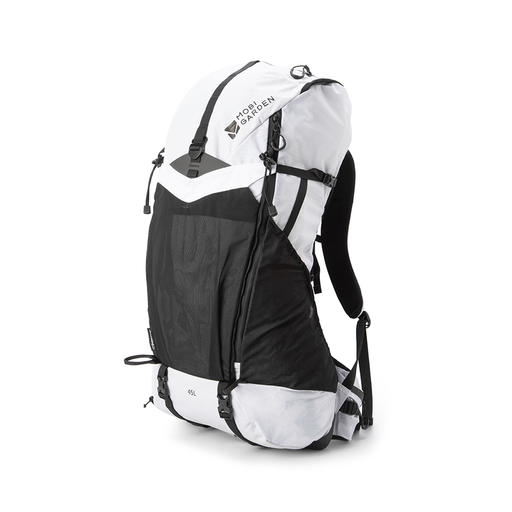
Why it suits this user: A good choice for hikers and backpackers looking for a spacious, relatively lightweight trekking backpack for multi-day trips with compact kit.
The 3D ventilated back system and adjustable hip and chest straps help address common carrying problems. The product description itself warns against sharp objects and prolonged exposure to sunlight.
45-litre capacity, around 1.35 kg, separate hydration bladder compartment, stretch side pockets and attachment points for walking poles or a sleeping mat.
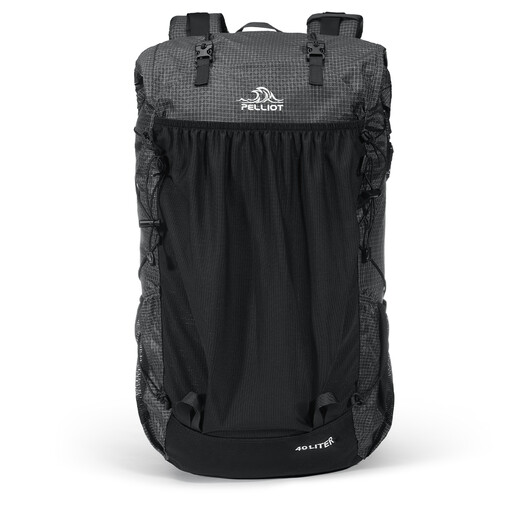
Why it suits this user: A practical option for trekkers who need a frame, plenty of adjustability and room for a two- to three-day trip.
The sizing for two torso lengths makes it easier to find a good fit. The product description lists a built-in aluminium frame, an adjustable carrying system and a stated load capacity of around 11 kg.
40 litres, around 1.06 kg, multiple compartments, attachment loops and a ventilated back panel with hip belt.
We’ve put together a complete, up-to-date list of products that meet these strict selection criteria and the applicable European safety regulations.
For a day trip, 10 to 20 litres is often enough. For a multi-day trek, 40 to 50 litres is usually more suitable, depending on your tent, sleeping bag, clothing and cooking equipment. Don’t automatically choose a bigger bag: the extra space could tempt you to bring things you don’t need.
First, pack the heaviest kit close to your back. Then adjust the hip belt so it sits securely without digging in. Next, adjust the shoulder straps and fasten the chest strap. Walk for a few minutes and readjust if the bag pulls backwards or presses on your shoulders.
Its lifespan depends on how you use it, what you carry, how you store it and how well you maintain it. Wipe off dirt with a damp cloth, let the bag dry completely, then store it somewhere dry and out of direct sunlight. Check the zips, buckles, seams and straps regularly. Always follow the manufacturer’s care instructions and don’t exceed the stated load capacity.
