
Vandaag of morgen in huis

Kwaliteit gegarandeerd

Welkomstaanbiedingen ontgrendelen: GRATIS bezorging | Tot 80% korting | Gratis 30 dagen JoyPlus-proefperiode
Download de app
A great hike starts with the right gear. A backpack that pinches, chafes, or is poorly organised can quickly ruin a beautiful day outdoors. Whether you're taking a short walk through the dunes or planning a multi-day trek through the mountains, the right backpack makes all the difference.
The market is vast, and the specifications can be overwhelming. That's why we're here to help. In this guide, we'll explain what to look for and share our top recommendations for 2026, so you can make an informed choice that suits your adventure.
Before you make a decision, it's essential to consider a few key features. These will determine the comfort and functionality of your outdoor backpack.
A backpack's volume, measured in litres, determines how much you can carry. Your choice depends entirely on the type of trip you're planning.
daypack, a volume of up to 30 litres is usually sufficient. This can hold a water bottle, lunch, an extra layer of clothing, and other small essentials.trekking backpack around 40 litres is often a great middle ground.multi-day backpacking pack of 50 litres or more is essential. These provide space for a tent, sleeping pad, food for several days, and other camping equipment.A backpack can have all the convenient pockets in the world, but if it isn't comfortable, it's of little use. Pay attention to the following points:
The weather can be unpredictable. A waterproof hiking backpack is far from an unnecessary luxury. Most backpacks are made from durable nylon or polyester and feature a water-repellent coating. For complete waterproofing, a separate rain cover is often required, though some models include one as standard. A lightweight backpack is nice, but ensure the thinner material is still durable and robust enough for your intended use.
Based on functionality and specifications, we've highlighted several popular choices for different types of hikers.
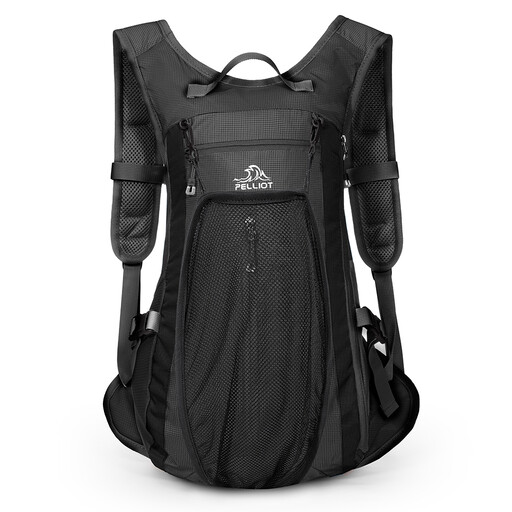
Why It Stands Out: This backpack is engineered for movement. According to the manufacturer, PELLIOT, its S.L.F. (Stable, Lightweight, Quick-Access) system ensures a stable, bounce-free fit, which is ideal for fast-paced activities like trail running or cycling.
Key Features:
Who It's For: The active day-hiker, cyclist, or trail runner looking for a compact, stable, and lightweight daypack.
View the PELLIOT Trail Running Backpack 20L

Why It Stands Out: This is a serious multi-day backpacking pack. Its internal frame and large capacity of 60+5 litres make it suitable for long treks where you need to carry a lot of gear.
Key Features:
Who It's For: The adventurer and camper who needs a reliable and spacious trekking backpack for trips lasting several days or weeks.
View the NatureHike Rock 60+5L
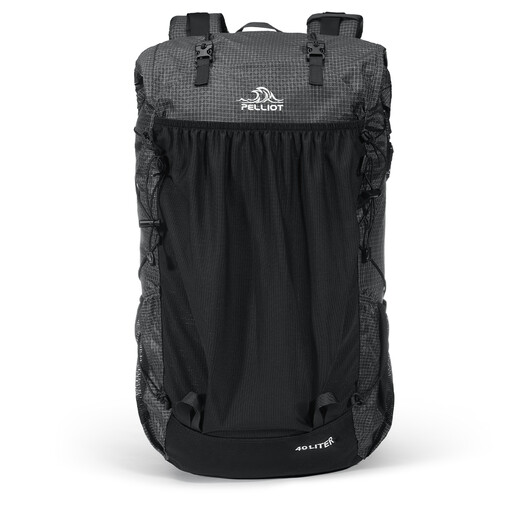
Why It Stands Out: This 40-litre backpack combines a robust frame with smart technology. PELLIOT calls it 'Dynamic Walking Harness Technology', where the shoulder straps move with your body for a more natural walking experience.
Key Features:
Who It's For: The hiker looking for a versatile trekking backpack for 2- to 3-day trips who values an advanced carrying system.
View the PELLIOT Trekking Backpack 40L

Why It Stands Out: This backpack is the definition of a lightweight backpack. It's made from 30D nylon, folds down into a small pouch, and still offers protection from water.
Key Features:
Who It's For: The minimalist hiker, traveller, or anyone needing an emergency daypack where every gram counts.
View the NatureHike Ultralight Backpack
The perfect hiking backpack is a personal choice. If the models above don't quite match your needs, there's plenty more to discover. We have a wider range with different volumes, fits, and features.
Explore all our sports backpacks
For most day hikes, a backpack with a volume between 15 and 30 litres is ideal. This provides enough space for water, food, a rain jacket, a small first-aid kit, and your phone or camera, without the pack being unnecessarily large or heavy.
A proper fit is crucial for comfort. Start by loosening all the straps. Put the backpack on and position the hip belt over your hip bones. Tighten it securely. Next, pull the shoulder straps until the backpack fits snugly against your back. Finally, fasten the sternum strap and tighten it slightly for stability. Most of the weight should rest on your hips, not your shoulders.
Not necessarily. A higher price often correlates with more advanced materials (lighter and stronger), a more adjustable and comfortable carrying system, or extra features like an integrated rain cover. For occasional, light hikes, a simpler model may be perfectly adequate. For intensive, multi-day treks with a heavy load, investing in a more advanced carrying system is often worth it for the added comfort.
