
Vandaag of morgen in huis

Kwaliteit gegarandeerd

Welkomstaanbiedingen ontgrendelen: GRATIS bezorging | Tot 80% korting | Gratis 30 dagen JoyPlus-proefperiode
Download de app
Your gear can make or break a good hike. A chafing, poorly packed, or soaked backpack is the quickest way to ruin a beautiful day outdoors. But with so many options on the market, how do you find a model that’s truly right for you?
As a Joybuy Product Recommendation Officer, I'm here to help you navigate the choices. In this article, we'll cut through the marketing jargon and focus on what really matters: functionality, comfort, and durability. We'll review several popular choices for different types of hikers, so you can make an informed decision.
Before we dive into the products, here are a few key factors to consider when choosing the right outdoor backpack.
A backpack's volume is measured in litres and is one of its most important specifications. The right size depends on the duration and type of your trips.
hiking backpack for a few hours on the trail.trekking backpack in this category is often very versatile.A backpack can have the best specs in the world, but if it isn't comfortable, it's of little use. Pay attention to the following ergonomic features:
The weather can be unpredictable. A waterproof hiking backpack is therefore a smart investment, not a luxury. Note the following aspects:
lightweight backpack may sometimes compromise on water resistance to save weight, so always check this.Below is a selection of three different hiking backpacks, each with its own unique strengths.
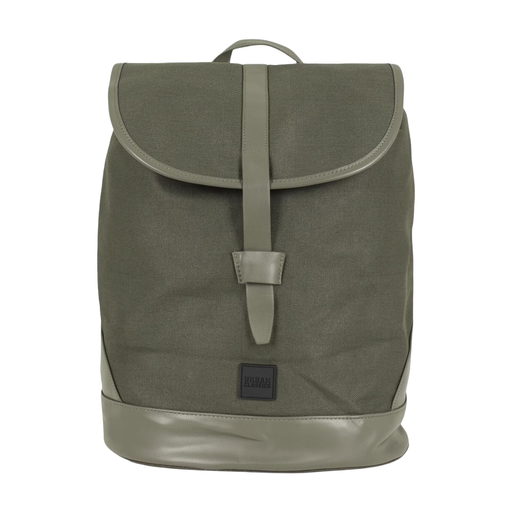
Why It Stands Out This backpack from Urban Classics combines a functional design with a stylish, urban aesthetic. It's not a technical outdoor pack, but a versatile daypack that works just as well for a walk in the woods as it does for daily use in the city.
Key Features
Who It's For For the hiker who also wants a practical bag for work, school, or a day out. If you want a versatile backpack that doesn't scream "I'm heading for the mountains," this is an interesting option.
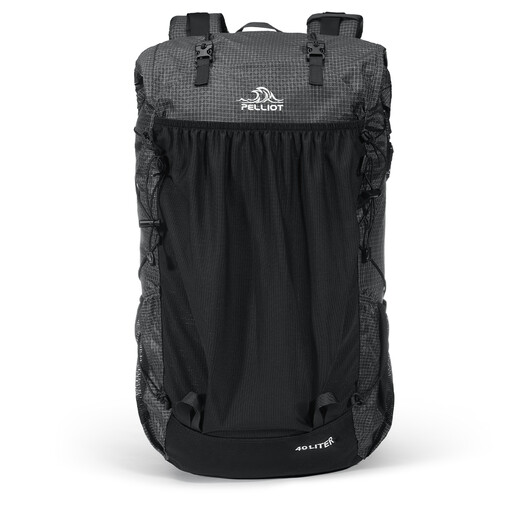
Why It Stands Out This trekking backpack from PELLIOT is designed for serious treks. According to the manufacturer, the pack is equipped with a light alloy frame for scientific load distribution and a dynamic carrying system that adapts to your movements.
Key Features
Who It's For For the experienced hiker seeking a reliable and comfortable backpack for multi-day trips with a moderate load.
View the PELLIOT Trekking Backpack →

Why It Stands Out This lightweight backpack from NatureHike is a minimalist's dream. Made from 30D nylon, it is extremely light and can be folded into a tiny package. Ideal for when every gram counts.
Key Features
Who It's For For the gram-counter, the fast-and-light day hiker, or the traveller who needs a compact, capable waterproof hiking backpack that takes up barely any space or weight.
View the NatureHike Ultralight Backpack →
Is a technical outdoor backpack not quite what you're after? Perhaps you're looking for a practical bag for daily use, such as for work or school. If so, check out our selection of university shoulder bag for functional and stylish options.
For most day hikes, a backpack with a capacity between 15 and 30 litres is sufficient. This provides enough space for water, snacks, an extra layer of clothing, a rain jacket, and a small first-aid kit.
Not necessarily. The price is often determined by the weight of the materials and the complexity of the carrying system. A more expensive model with an advanced frame is useful for heavy loads on long treks but may be overkill for short walks. Focus on the fit and the features you actually need.
A proper fit is essential for comfort. Follow these steps:
