
Vandaag of morgen in huis

Kwaliteit gegarandeerd

Welkomstaanbiedingen ontgrendelen: GRATIS bezorging | Tot 80% korting | Gratis 30 dagen JoyPlus-proefperiode
Download de app
A good hiking backpack is essential, whether you're taking a short walk, cycling to work, or planning a multi-day trek. However, the market is vast, and the specifications can be overwhelming. The wrong choice can lead to discomfort and a less enjoyable experience.
This article serves as your practical guide. We'll help you ask the right questions and focus on the specifications that truly matter, so you can make an informed decision that fits your plans. Below, you'll find our top recommendations for 2026, selected based on functionality, materials, and intended use.
By the Joybuy Product Recommendation Officer
Before we dive into specific models, here are three key factors to help you narrow down the options.
A backpack's capacity, measured in litres, determines how much you can carry. A pack that's too large is unnecessarily heavy, while one that's too small is simply frustrating.
The weather can be unpredictable. A waterproof backpack or a model with a reliable rain cover is, therefore, a wise investment. Most outdoor backpacks are made from water-resistant materials like nylon or polyester, which can handle a light shower. For heavy rain, a separate rain cover is essential. Also, pay attention to the quality of the zippers; waterproof or covered zippers offer extra protection.
A backpack can have all the clever compartments in the world, but if it isn't comfortable, it's not the right pack for you. Look for the following features:
Based on the criteria above, we've selected three distinct backpacks, each suited for a different type of adventurer.
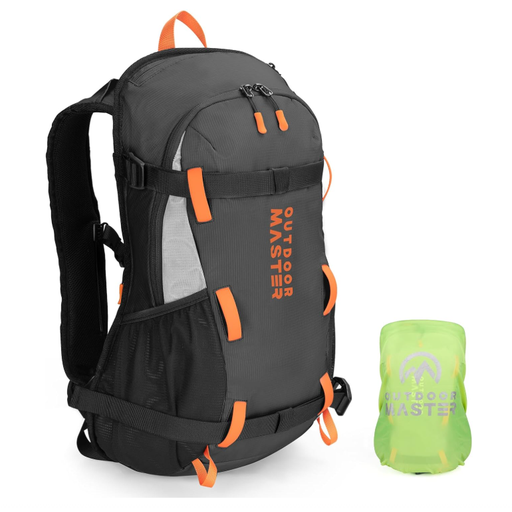
Why It Stands Out This pack is a versatile daypack that focuses on functionality. It's crafted from water-resistant, recycled fabric and comes with a separate rain cover for complete protection. The internal compartments, including a velvet-lined pocket, are designed to keep your gear organised and secure.
Pros
Who It's For The day hiker, winter sports enthusiast, or cyclist looking for a compact, well-organised, and reliable backpack for short adventures.
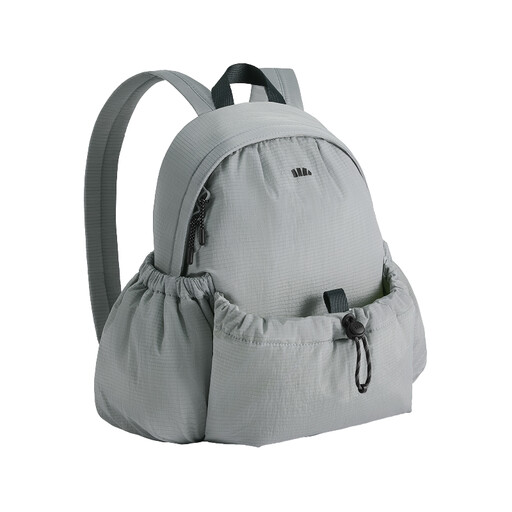
Why It Stands Out The Beneunder LC183 is a masterclass in flexibility. This lightweight backpack starts with a 10-litre capacity but can be expanded to 13 litres with a simple zip. This makes it perfect for situations where you occasionally need a bit more space, like after picking up groceries on your way home from work.
Pros
Who It's For Perfect for the commuter, urban explorer, or minimalist hiker who needs an ultra-light, flexible, and stylish backpack for daily use and light outdoor activities.
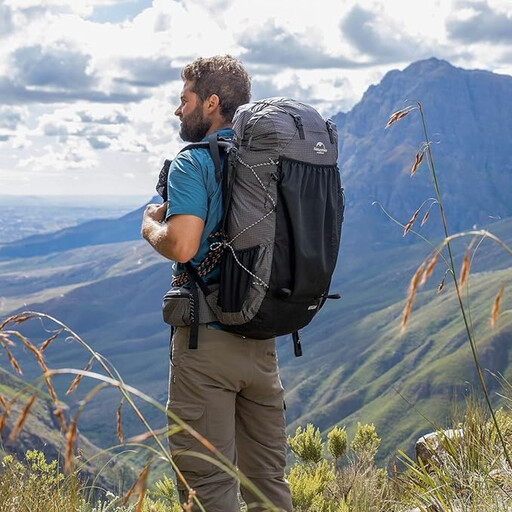
Why It Stands Out This is a serious trekking backpack for the adventurer who heads out on extended trips. With a base capacity of 60 litres, expandable by an additional 5 litres, this pack offers ample space for a full set of camping gear. The internal frame provides stability and efficient weight distribution, which is essential when carrying heavy loads.
Pros
Who It's For For the serious hiker, backpacker, and explorer who needs a robust, spacious, and reliable outdoor backpack for multi-day treks.
These recommendations are a starting point. Every hiker and every adventure is unique. If you're looking for a different size, a specific colour, or other features, explore our full collection for more options.
Discover More Outdoor Equipment Backpacks
For most day hikes, a backpack with a capacity between 15 and 25 litres is sufficient. This provides enough room for water, food, a rain jacket, a small first-aid kit, and possibly a map or a power bank.
Very important, especially in unpredictable weather. Few backpacks are 100% waterproof without a cover. Therefore, choose a model made from water-resistant material and always carry a rain cover. This not only protects against rain but also keeps your pack clean if you have to set it down on muddy ground.
A good packing technique improves carrying comfort. The general rule is:
