Joybuy Insights

Find Your Ideal Hiking Backpack: A Practical Buying Guide

A good hiking backpack can be the difference between an unforgettable adventure and a trip filled with discomfort. But with so many choices on the market—from compact daypacks to large trekking backpacks—finding the right one can be a challenge. What capacity do you need? Which harness system is right for you? And what features are essential for your activity?

As a Joybuy Product Recommendation Officer, my job is to help you with this choice. In this article, I'll provide practical tips and present a selection of backpacks designed for various outdoor activities, so you can make a well-informed decision.

What to Look For in a Hiking Backpack

Before we dive into the products, here are a few key points to consider. The right choice depends entirely on your plans.

1. Capacity (Volume in Litres)

A backpack's volume, expressed in litres, determines how much you can carry.

  • 10-20 litres: Ideal as a daypack for short hikes, a bike ride, or as a trail running pack. Enough space for water, a snack, a rain jacket, and your personal items.
  • 20-35 litres: Suitable for longer day trips where you might carry more layers, food, or extra gear. This is a versatile size for most recreational hikers.
  • 35-50 litres: Perfect for weekend trips, hut-to-hut tours, or when you're carrying camping gear. A 40L backpack is a popular choice in this category, as it offers a great balance between space and weight.

2. Harness System and Comfort

A backpack can have all the features in the world, but it's useless if it isn't comfortable. Pay attention to the following elements:

  • Ergonomic back panel: A well-designed back panel follows the curve of your spine and provides stability. Ventilation channels or mesh fabric help keep your back dry and cool.
  • Adjustable straps: The shoulder, hip, and sternum straps should be fully adjustable. A hip belt is crucial for heavier packs, as it transfers most of the weight to your hips, relieving pressure on your shoulders.
  • Fit for Men and Women: Some models are specifically designed as men's and women's sports backpacks, with a fit tailored to different body shapes.

3. Functionality and Special Features

Modern backpacks offer all sorts of handy extras. Consider which ones are useful for you.

  • Waterproofing: A completely waterproof outdoor backpack is rare and often heavier. Most backpacks are water-resistant and come with a separate rain cover for serious downpours.
  • Hydration System: Many backpacks are compatible with a hydration system (also known as a hydration pack). They feature a dedicated sleeve for a water reservoir and a port for the drinking tube.
  • Pockets and Attachment Points: Think about side pockets for water bottles, a front pocket for quick access to your map, and loops to attach hiking poles or a sleeping pad to the exterior.

Our Top Product Recommendations

Based on functionality and intended use, we've highlighted some compelling options for you.
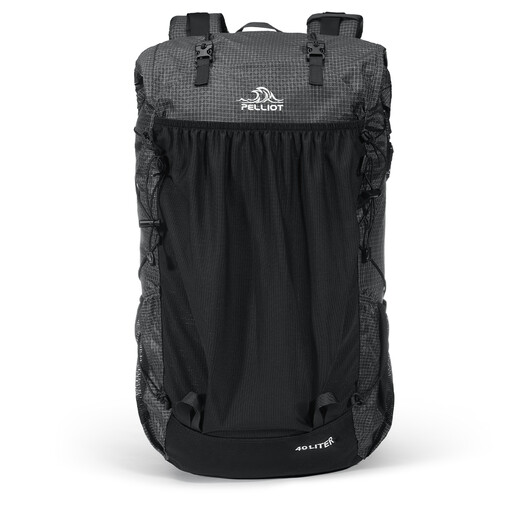
For the Multi-Day Trekker: PELLIOT Trekking Backpack 40L

PELLIOT Trekking Backpack Unisex Camping Travel Waterproof Durable – Spacious & Rugged for Multi-Day Hikes, Rock Gray 40L

Why it stands out: This trekking backpack is designed for comfort on long journeys with a heavy load. According to the manufacturer, PELLIOT, the built-in light-alloy frame combined with dynamic shoulder straps ensures scientific load distribution. The weight is largely transferred to the hips, reducing pressure on the shoulders and back.

Key Features:

  • Harness System: The dynamic harness adapts to your walking motion, which is said to reduce fatigue.
  • Ventilation: The 3D breathable cushioning system, featuring an EVA back panel and mesh lining, is engineered for maximum airflow.
  • Organisation: With a 40L backpack capacity, a main compartment, various smaller pockets, and attachment points for hiking poles and a sleeping pad, you can keep your gear neatly organised.
  • Material: Made from wear-resistant fabric for durability in rugged terrain.

Who is it for? For the serious hiker looking for a reliable backpack for 2- to 3-day treks who values an advanced harness system for heavier loads.
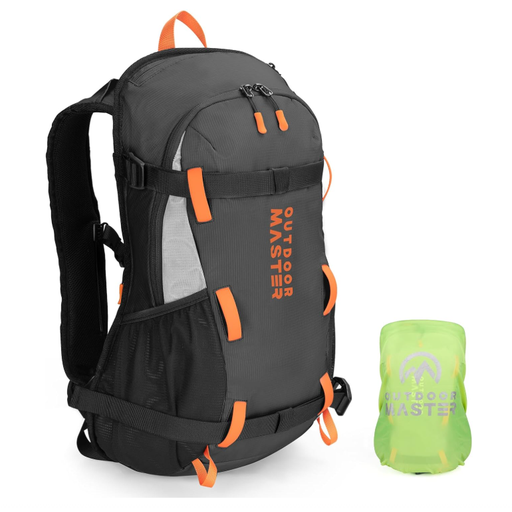
For the Versatile Day-Tripper: OutdoorMaster Snow Sport Travel Backpack 18L

OutdoorMaster Snow Sport Travel Backpack- Black 18L

Why it stands out: This compact 18-litre daypack is a true all-rounder. It's made from water-resistant recycled material and comes with a separate rain cover for extra protection. The special pockets with a velvet lining are a clever detail for storing items like sunglasses or a phone scratch-free.

Key Features:

  • Compact and Functional: Multiple pockets, including a main compartment, a top pocket with a soft lining, and mesh side pockets.
  • Hydration-Ready: Compatible with a 2L water reservoir (not included), featuring a dedicated port for the drinking tube.
  • Carrying Comfort: A breathable 3D back panel and adjustable sternum and hip straps ensure a stable fit during active pursuits.
  • Versatile: Suitable for hiking, as well as for winter sports or as a cycling backpack.

Who is it for? For the day hiker, cyclist, or winter sports enthusiast looking for a compact, well-organised, and versatile pack for shorter adventures.
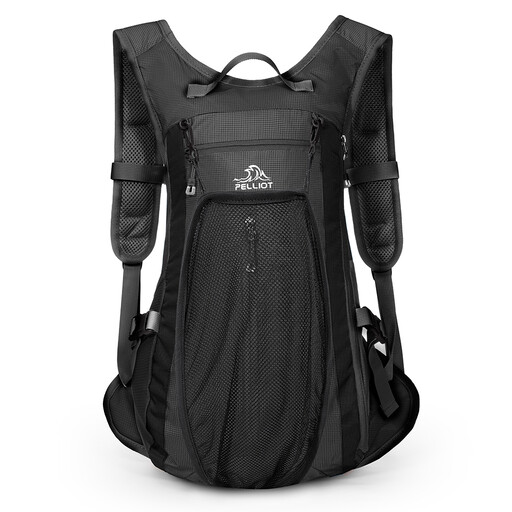
For the Fast and Light Adventurer: PELLIOT Trail Running Backpack 20L

PELLIOT Trail Running Backpack Unisex Lightweight Breathable – Bold Black with Yellow Accents, 20L

Why it stands out: This lightweight backpack is specifically designed for activities where speed and stability are paramount, such as trail running and mountain biking. PELLIOT calls the design the 'S.L.F Triple Design': Stable, Lightweight, and Fast Access. The pack is engineered to sit snugly against the body and prevent bouncing.

Key Features:

  • Stability: The ergonomic harness is designed to keep the pack stable during intense movements.
  • Ultra-Lightweight: The low weight of the pack itself helps to minimise the total load.
  • Durability: Made from strong, abrasion-resistant polyester that can withstand scrapes against rocks or branches.
  • Smart Organisation: Multiple compartments, including a front pocket for quick access to water, snacks, or your phone.

Who is it for? For the avid trail runner, mountain biker, or fast hiker who wants a stable, minimalist, and lightweight backpack that won't get in the way.

Looking for Something Else?

The perfect backpack is highly dependent on your personal preference and activity. For example, are you specifically looking for a backpack that meets airline carry-on requirements? Then check out our selection of Travel Backpacks for Flying.

Frequently Asked Questions

1. What size hiking backpack do I need? This depends on the duration and type of your trip. For a day hike, 15-25 litres is usually sufficient. For a weekend trip or a hut-to-hut tour, you'll likely need 30-45 litres. For longer treks with camping gear, look for 50 litres or more.

2. Is a waterproof outdoor backpack really necessary? Most hiking backpacks are made of water-resistant material, which can handle a light shower just fine. For persistent rain, a separate rain cover is often a better and lighter solution than a fully waterproof (and often heavier) pack. For extra security, always pack important items like electronics and a dry set of clothes in a separate waterproof bag (dry bag) inside your backpack.

3. How do I adjust my hiking backpack correctly for maximum comfort? A proper fit is crucial. Follow these steps:

  1. Loosen all the straps and fill the backpack with some weight.
  2. Position the hip belt on your hip bones and tighten it. This belt should carry most of the weight.
  3. Tighten the shoulder straps until they rest comfortably on your shoulders without carrying the full load.
  4. Fasten and tighten the sternum strap. This prevents the shoulder straps from slipping off.
  5. Finally, pull the load lifter straps (on top of the shoulder straps) to bring the pack closer to your back.